

Injury Prevention and Recovery Methods: Stay Strong, Active, and Pain Free for Life
Why Injury Prevention Matters More Than You Think
Here’s the reality check: millions of people deal with sports or exercise-related injuries every year. But research shows structured prevention programs can cut that risk by 30–50%. That’s huge!
The secret isn’t avoiding movement it’s moving smarter. Prevention builds a more resilient body, while smart recovery keeps small issues from becoming big setbacks. Together, they keep you consistent, which is the real key to long-term fitness and fun.
Top Injury Prevention Methods That Actually Work
The best defense is a good offense. These habits turn your body into a well oiled machine that’s harder to break.
1. Master the Dynamic Warm-Up (Your New Best Friend)
Forget holding static stretches before you move that can actually reduce power and increase injury risk if done cold. Instead, go dynamic: controlled movements that raise your heart rate, warm your muscles, and prep your joints.
Think leg swings, arm circles, walking lunges, high knees, and bodyweight squats. Spend 5–10 minutes doing this and you’ll improve blood flow, mobility, and neuromuscular coordination. Studies back it up dynamic warm-ups reduce injury rates while boosting performance.
Pro tip: Tailor it to your activity. Runners love hip openers and butt kicks; lifters focus on shoulder and thoracic mobility.
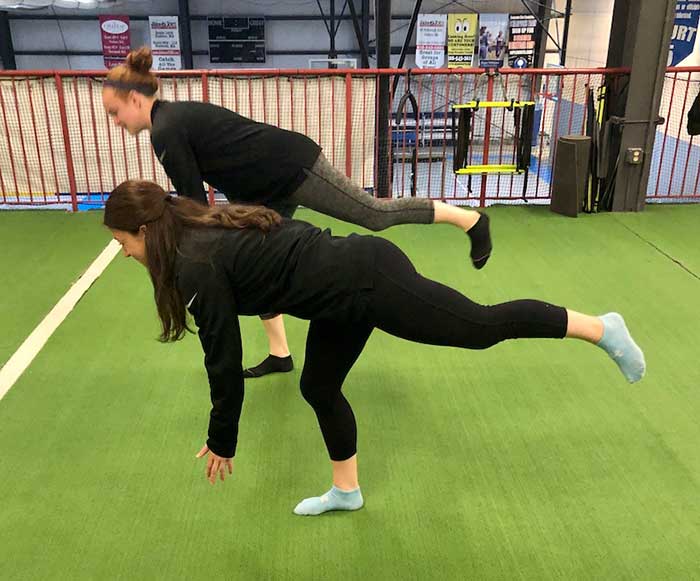
Dynamic Warm Up Exercises to Help Prevent Injury – Elite | Fitness, Sports Performance and Physical Therapy
2. Build Strength, Balance, and Resilience
Weak glutes, tight hips, or poor core stability? That’s an injury waiting to happen. Strength training (especially eccentric moves like slow lowering in squats or Nordic hamstring curls) strengthens muscles and tendons.
Add single-leg exercises, balance drills, and neuromuscular training (think agility ladders or the famous FIFA 11+ program). These have been shown to slash ACL tears and ankle sprains dramatically.
Mix it up with cross training too swap running for swimming or yoga one day a week so the same muscles don’t take all the beating.
3. Listen to Your Body and Train Smart
This one sounds simple but trips up so many people. That nagging soreness? It’s not “weakness leaving the body.” Push through too much and you’re asking for trouble.
- Alternate hard and easy days
- Prioritize sleep and recovery
- Fix form before adding weight
- Wear proper shoes and gear
Hydration and nutrition matter here too dehydrated muscles are cranky and more prone to strains.

The Importance of Stretching Before and After Calisthenics Training – Gravity Fitness Equipment
When Injury Happens: Proven Recovery Methods
Even with the best prevention, stuff happens. Here’s how to handle it without losing weeks (or months) of progress.
The Updated RICE Approach (and Why It’s Evolving)
You probably know the classic: Rest, Ice, Compression, Elevation. It’s still useful for the first 48–72 hours to control swelling and pain. But newer thinking (PEACE & LOVE) adds nuance:
- Protection (not total rest, gentle movement is often better)
- Elevation
- Avoid anti-inflammatories early (they can slow healing)
- Compression
- Education (learn what’s normal)
- Then Load, Optimism, Vascularization (blood flow), Exercise
Bottom line: Gentle movement and loading the tissue early (under guidance) often speeds true healing more than complete rest.

Foam Rolling Techniques to Ease Muscle Soreness and Speed Up Post-Gym Recovery
Active Recovery Techniques That Speed Healing
Sitting on the couch forever isn’t the answer. Try these:
- Foam rolling and mobility work: Releases tightness and improves blood flow (just don’t go too aggressive on fresh injuries).
- Light cardio or walking: Gets the pump going without stress.
- Massage or contrast baths: Great for reducing soreness.
- Sleep like it’s your job: Most repair happens here—aim for 7–9 hours.

What Foods To Eat For Injury Recovery | Central Performance
Fuel Recovery with Nutrition and Hydration
Your body needs building blocks to repair. Focus on:
- Protein (for muscle repair)
- Anti-inflammatory foods like berries, leafy greens, fatty fish, turmeric, and citrus
- Plenty of colorful fruits and veggies for vitamins
- Stay hydrated dehydration slows everything down
Think of food as medicine. A post-workout smoothie with Greek yogurt, spinach, banana, and berries is basically a recovery cheat code.
When to Call in the Pros: Physical Therapy Rocks
Don’t wait until you’re limping for weeks. A good physical therapist can assess the root cause, give you targeted exercises, and create a return-to-activity plan. Research shows PT dramatically cuts re injury rates and gets you back stronger.

What if You Don’t Go to Physical Therapy After an Injury? | NorthEast Spine and Sports Medicine
Common Mistakes That Sabotage Your Progress
- Skipping warm ups or cool-downs
- Ignoring early warning signs (that “twinge” is your body talking)
- Going too hard too soon after an injury
- Relying only on ice and rest without loading the tissue later
Fix these and you’ll see massive differences.
Your Action Plan Starts Today
Injury prevention and recovery methods aren’t about being perfect they’re about being consistent and kind to your body. Start with a better warm-up this week, add one strength session focused on balance, and dial in your sleep and nutrition. Small changes compound into big results.