How Drones and GPS Trackers Help Scientists Study Animals: The Tech Revolutionizing Wildlife Research
How drones and GPS trackers help scientists study animals is one of the most exciting shifts in modern wildlife research. They’re safer, cheaper, and way more precise than old school methods. Let’s dive into how each technology works on its own and how they team up to reveal secrets about the natural world.
Why Old-School Tracking Just Wasn’t Enough
For decades, scientists relied on binoculars, ground surveys, or even manned planes to study animals. But these approaches had big limitations: animals get stressed, data was patchy, and some spots (think dense jungle or open ocean) were simply too tough to reach. Drones and GPS trackers flip the script by giving researchers a bird’s eye (or satellite-powered) view with minimal interference.
Drones: Eyes in the Sky That Don’t Spook the Wildlife
Drones have become a go-to tool because they can hover quietly, capture high-res images or video, and reach places humans can’t. They’re especially great for counting populations, spotting hidden nests, or watching behavior in real time.
Take sharp-tailed grouse, for example. Researchers once spent hours hiking rugged terrain to find tagged birds. Now a small quadcopter with an infrared camera spots dozens in minutes without the birds even noticing. In Antarctica, studies showed that seals and penguins barely reacted to drones flying at survey heights, unlike noisy ground teams that caused more stress.
Drones also shine in tough environments. In remote forests, they’ve helped map orangutan nests from above. Off the coast, scientists fly them through a whale’s blow (the spray from its spout) to collect microbiome and hormone samples—something impossible from a boat. Thermal cameras even let researchers detect body heat or spot poachers at night.

Ethical Considerations for Responsible Drone Use
The best part? New autonomous drones use AI to lock onto specific animals (like zebras or giraffes) and follow them automatically, collecting thousands of images without constant human piloting. It’s like having a tireless research assistant in the sky.
GPS Trackers: Revealing the Hidden Journeys Animals Take
While drones give the big picture from above, GPS trackers tell the full story of where an animal goes when no one’s watching. These lightweight collars, tags, or implants send precise location data via satellites sometimes every few minutes.
Elephants in Kenya have been tracked for decades with GPS collars, showing scientists exactly how they navigate human landscapes and avoid danger. Mule deer migrations in the western U.S. revealed narrow “bottleneck” corridors where roads and fences create deadly risks. Cheetahs wearing trackers help map vast territories so conservationists can protect key hunting grounds.
Even tiny animals get tracked now. Wood turtles wear small GPS units on their shells to show how they move through forests year-round. Birds carry lightweight tags that feed into global networks, uncovering migration routes we never knew existed. The data is so detailed it reveals not just where animals go, but why, like how climate change shifts hunting patterns in polar bears or how energy use spikes during long flights.
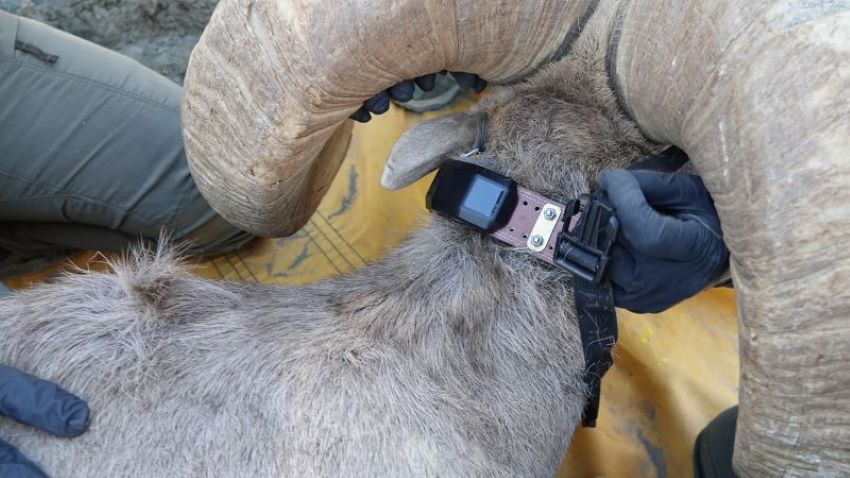
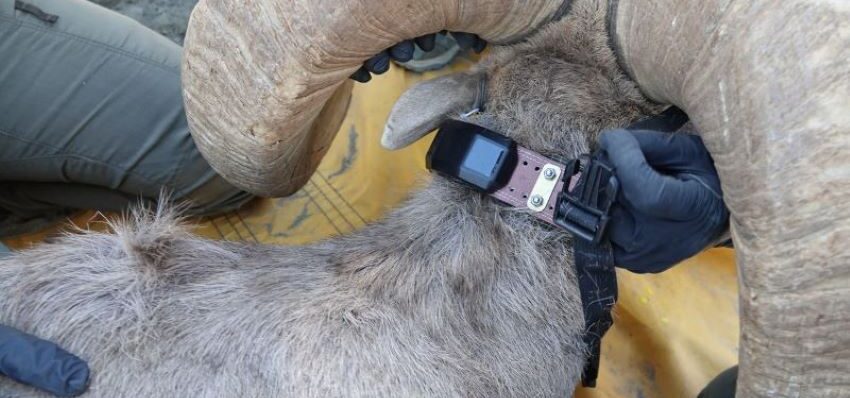
California Outdoors Q&A | How do wildlife collars work and what factors are taken into consideration before the California Department of Fish and Wildlife (CDFW) attaches them?
When Drones and GPS Team Up: The Ultimate Research Power Combo
The real magic happens when these tools work together. Scientists tag animals with GPS, then send a drone to follow the signal pinpointing exact locations in minutes instead of days of searching. In one project, a drone system tracked up to 40 tagged birds at once, triangulating positions down to a few meters.
This combo is perfect for elusive species. It gives researchers behavior data (from drone footage) plus long-term movement patterns (from GPS), all with far less disturbance than traditional methods.
Real Wins for Conservation and Science
These technologies aren’t just cool gadgets—they’re saving lives and shaping smarter decisions:
- Better population counts: Drones deliver more accurate numbers than ground surveys, especially for seabirds or herd animals in open terrain.
- Migration protection: GPS data highlights critical corridors so roads, fences, or developments can be planned around them.
- Anti-poaching efforts: Drones with thermal imaging patrol vast areas at night.
- Health monitoring: Trackers reveal how animals respond to disease, climate shifts, or habitat loss.
One study even used heart-rate monitors inside birds to measure energy use during migration data that helps predict how species will cope with a changing planet.
The Human Side: Challenges Scientists Still Face
Of course, no tool is perfect. Drones need skilled pilots, good weather, and careful flight paths to avoid stressing animals. GPS tags must be lightweight and ethically attached. Researchers always weigh benefits against any potential harm, following strict guidelines to “first, do no harm.”
But the payoff is huge: more data, less risk to people and animals, and discoveries that move conservation forward faster than ever.
The Future Is Already Here
How drones and GPS trackers help scientists study animals is rewriting what we know about the wild. From a single whale’s breath to an entire elephant herd’s daily route, these tools turn invisible lives into crystal-clear stories. They remind us that technology, used thoughtfully, can bring us closer to nature instead of pushing it away.