
A Day in the Life of Different Film Crew Members: What Really Happens on Set
The Director: Visionary, Decision-Maker, and Constant Communicator
Directors are the creative heartbeat of any production, but their day isn’t just yelling “Cut!” and posing dramatically. It starts early often reviewing dailies (yesterday’s footage) over coffee to spot what’s working and what needs tweaking. Once on set, they’re blocking scenes with actors, collaborating with the cinematographer on framing, and answering a nonstop stream of questions from every department.
Between takes, they’re tweaking performances, approving lighting tweaks, and keeping the big picture in mind while the clock ticks. Days routinely stretch 10–14 hours, and the mental load is huge: every choice has to serve the story. One director described it as being the “CEO” of the movie delegating like crazy but staying laser-focused on the final vision.
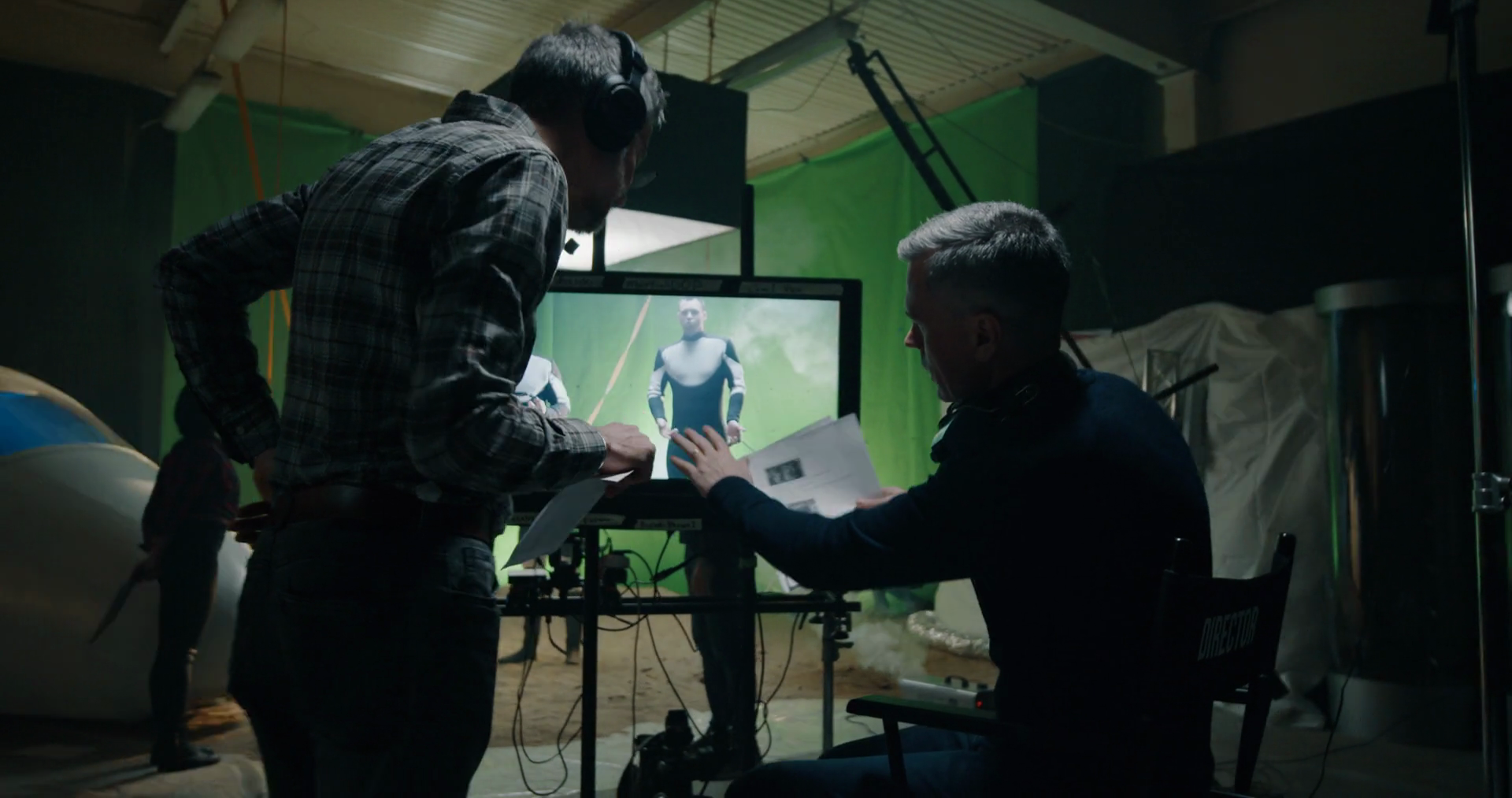
Medium shot of a director giving instructions to film crew member while actors preparing in the background
The First Assistant Director (1st AD): The Set’s Traffic Controller
If the director is the visionary, the 1st AD is the one making sure the vision actually happens on time. Their day kicks off with the call sheet distributing schedules, wrangling cast, and coordinating with department heads. On set, they’re the loud voice keeping everything moving: calling “Quiet on set,” timing rehearsals, and gently (or not-so-gently) pushing departments to hit their marks.
They solve problems on the fly maybe a location issue or a delayed actor—and constantly check in with the director. It’s high-pressure, high-energy work that keeps the entire machine from grinding to a halt.
The Cinematographer (DP): Painting with Light and Camera
The Director of Photography shows up early to scout the light and plan shots with the director. Then it’s all about collaborating with the camera team, gaffer, and grips to make the vision pop. They’re tweaking lenses, approving lighting setups, and operating (or overseeing) the camera during takes.
A typical day involves constant problem-solving: “How do we make this scene feel moody without losing detail?” Long hours, heavy gear, and split-second creative decisions. One DP joked that half their job is convincing the crew their “brilliant” idea from last night still works in daylight.

Director of Photography: Essential Role in Film Production
The Production Assistant (PA): The Glue Holding It All Together
PAs are often the youngest (or newest) on set, but they keep the whole operation running. A day might start at 5 a.m. setting up craft services, taping down cables, or wrangling background actors. Then it’s coffee runs, lock-ups (guarding doors so no one ruins a take), and helping wherever needed—whether that’s moving gear or keeping the set tidy.
It’s entry-level but invaluable: you see everything. One PA described it as “being the eyes and ears of the set while your feet never stop m ving.” Exhausting? Absolutely. Eye opening? 100%.
The Gaffer and Grip Team: Masters of Light and Support
The gaffer (chief lighting technician) works hand-in-hand with the DP to design and execute every lighting setup. Their day starts with reviewing the shot list, then directing their team to rig lights, run cables, and adjust everything until it’s perfect. Safety is huge electricity on a wet set is no joke.
Grips (the rigging experts) are right there beside them, building platforms, laying dolly track, or flying lights from the ceiling. They’re the muscle and the problem-solvers: “Need a 20-foot flag to block that sunlight? We got you.”
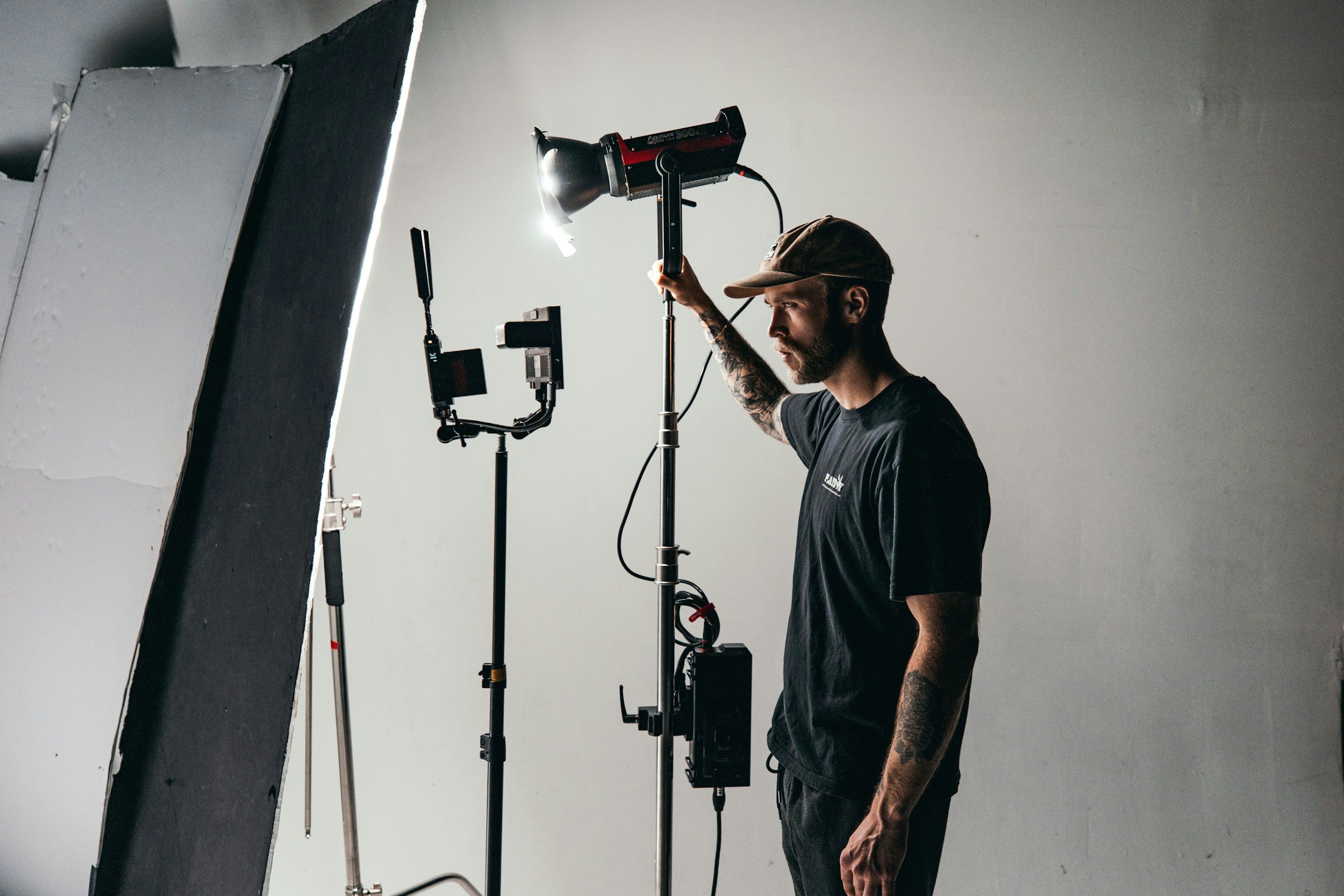
What is a Gaffer? (In Film)
The Sound Team: Boom Operator and Mixer
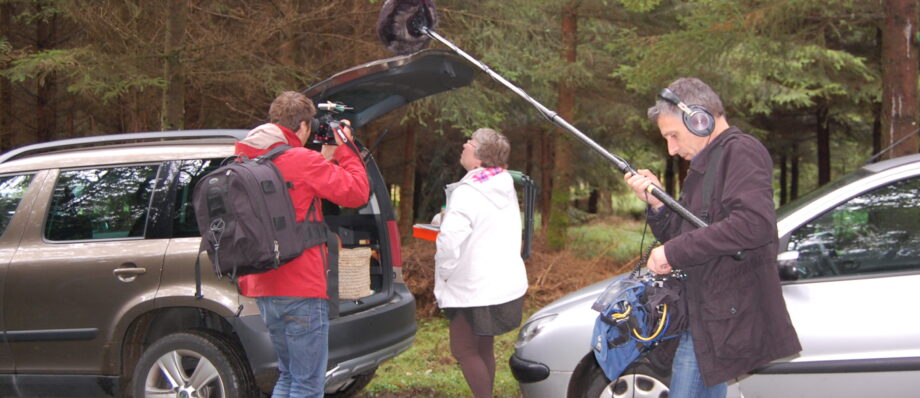
While everyone else focuses on visuals, the sound crew is laser-focused on capturing clean dialogue. The boom operator dances around the set holding a long pole with a microphone, staying just out of frame while following the action. The mixer monitors levels, places wireless mics, and troubleshoots background noise.
Their day is quiet but intense bad audio means expensive ADR (re-recording) later. One boom op described it as “being invisible while moving like a ninja.”
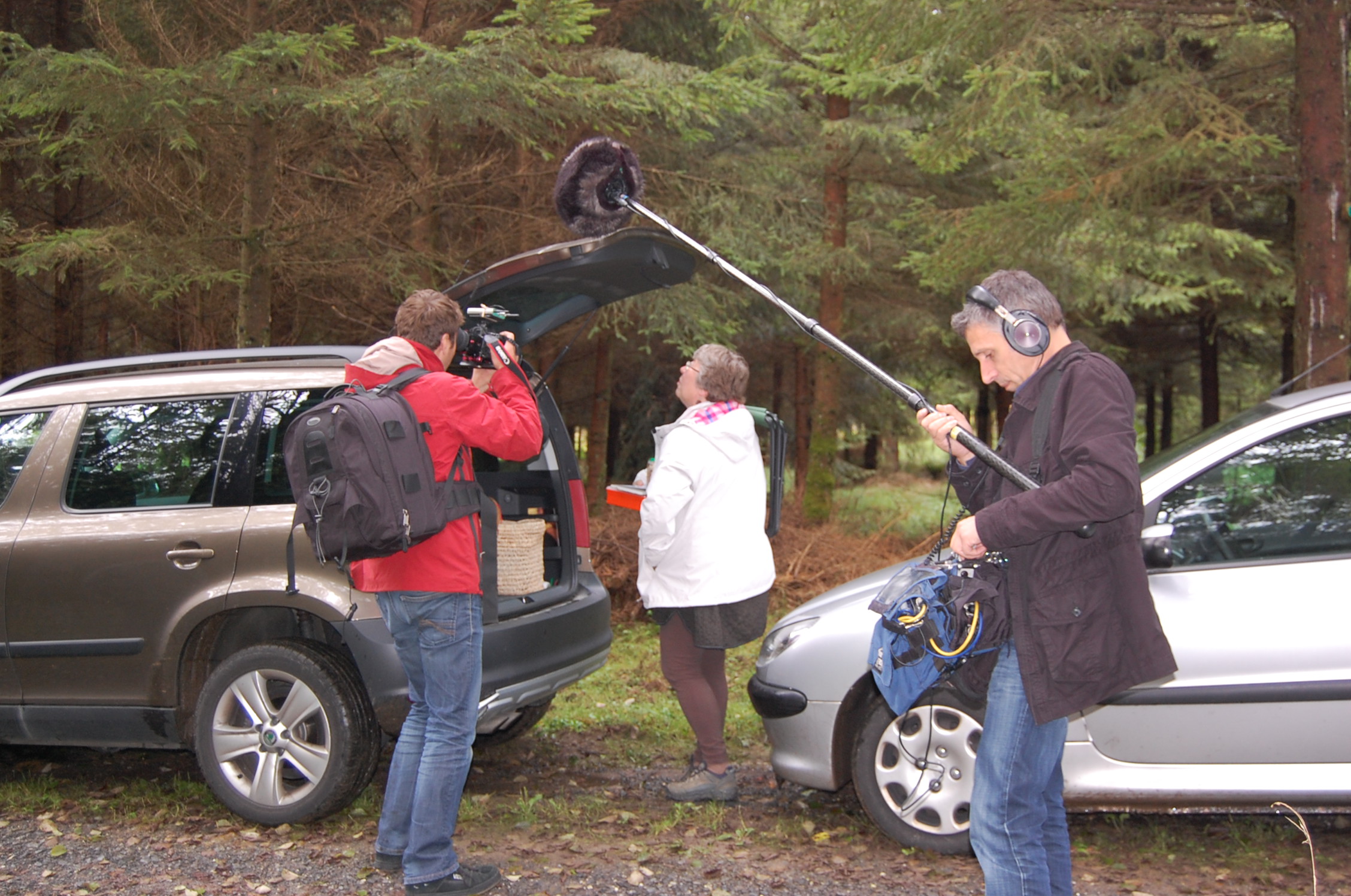
Boom operator (media) – Wikipedia
Makeup and Hair Artists: The First to Arrive, Last to Leave
These artists are often on set before dawn, transforming actors in the trailer. Touch-ups happen between every take, continuity notes are constant, and they’re coordinating with wardrobe and the director on looks. Period pieces or effects makeup can mean hours of detailed work.
It’s creative, technical, and surprisingly physical bending over actors in tiny trailers for 12+ hours. But seeing a character come to life in the mirror? Pure magic.
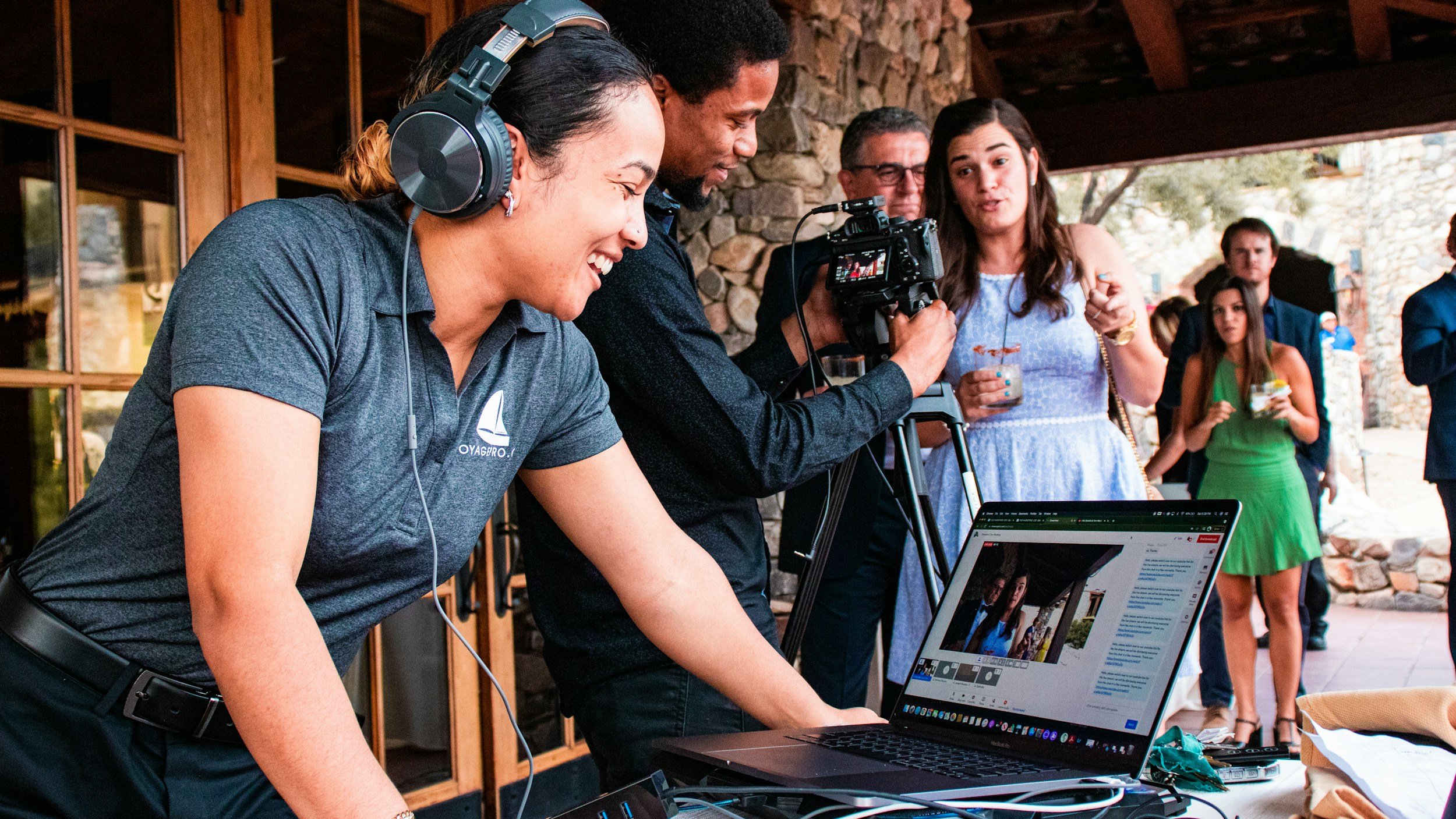
What is a Production Assistant? (Updated Guide)
The Bottom Line: Every Role Makes the Magic
The day-to-day life of different film crew members is a beautiful, chaotic dance of creativity, logistics, and sheer grit. Long hours, early calls, and endless problem-solving are the norm but so is the thrill of being part of something bigger than any one person.