
Wrongly Accused: True Stories of Justice Delayed That Will Change How You See the System
The Longest Wait: Richard Phillips and 46 Years of Lost Freedom
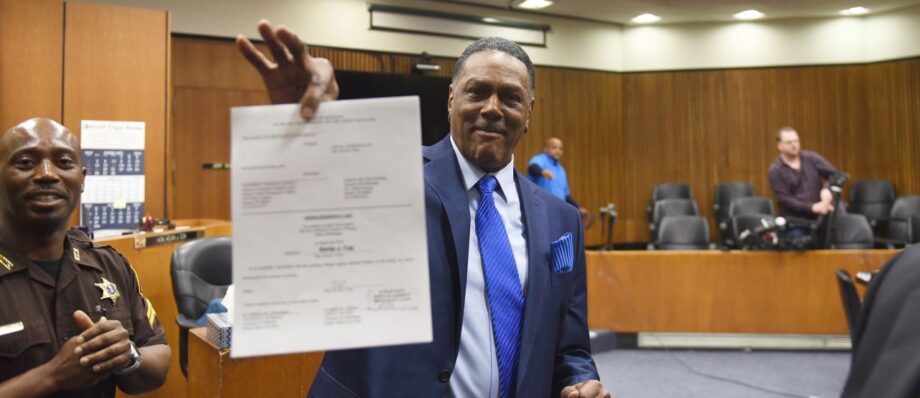
Richard Phillips holds the heartbreaking record for the longest known wrongful prison sentence in American history. In the 1970s, his former friend Fred Mitchell framed him for murder. Phillips was convicted despite thin evidence and spent 46 years locked away. While inside, he survived by writing poetry and painting with water colors acts of defiance against a system that had already decided his fate.
He even made a plan in the prison yard to confront the man who put him there. But he held on. In 2017, new evidence finally cleared his name. Phillips walked free at age 72, having missed entire lifetimes weddings, births, simple freedoms most of us take for granted. His story isn’t just about one man; it’s about how lies can bury truth for decades.

Man exonerated after 45 years in prison (2018)
The Central Park Five: Teens Robbed of Their Youth by a Rush to Judgment
In 1989, five Black and Latino teenagers Antron McCray, Kevin Richardson, Yusef Salaam, Raymond Santana, and Korey Wise were accused of a brutal attack in New York’s Central Park. Pressured interrogations led to false confessions. They were convicted amid intense media frenzy and public outrage. The boys, aged 14 to 16, became symbols of fear rather than kids who deserved fair process.
They served between 6 and 13 years in prison. Then, in 2002, the real perpetrator serial rapist Matias Reyes confessed, and DNA evidence matched him perfectly. The convictions were overturned. The men (now known as the Exonerated Five) received a $41 million settlement, but no amount of money erases the stolen years or the trauma. Their case became a stark example of how eyewitness misidentification, coercive tactics, and racial bias can derail justice for an entire community.

Exonerated After Nearly 23 Years, a Texas Woman May Now Be Deported
Ronnie Long: 44 Years for a Crime He Never Committed
Ronnie Long, a Black man, was convicted in 1976 by an all-white jury for raping a prominent white woman in North Carolina. The identification was shaky, and evidence was questionable at best. Long maintained his innocence for over four decades while serving time. In 2020, DNA testing finally proved he wasn’t the perpetrator. He was exonerated after 44 years, 3 months, and 17 days behind bars.
The city later awarded him a record $25 million settlement the largest of its kind at the time. Long’s quiet persistence through every appeal, every denied parole, shows the extraordinary resilience required when the system refuses to listen. His story highlights how race and power imbalances can turn “innocent until proven guilty” into something far more fragile.

2,029 Unfair Justice Concept Royalty-Free Images, Stock Photos & Pictures | Shutterstock
Why Justice Gets Delayed and Why It Happens So Often
These wrongly accused true stories of justice delayed share common threads. The Innocence Project’s data reveals the usual suspects: eyewitness misidentification in 62% of cases, false confessions in 29%, and flawed forensic science. Racial disparities loom large Black individuals make up about 58% of those exonerated by the Innocence Project despite being only 13.6% of the population.
Add in prosecutorial misconduct, inadequate defense, and the sheer weight of “once accused, always suspected,” and you see how delays compound. Appeals drag on. New evidence surfaces slowly. Meanwhile, real lives tick away one day at a time.
The Human Cost: More Than Just Time Behind Bars
It’s easy to focus on the years served, but the ripple effects run deeper. Families fracture. Jobs vanish. Mental health suffers. Even after exoneration, many struggle with reintegration society often treats them with lingering suspicion. And for every exonerated person, experts estimate many more remain trapped, their cases never revisited.
These stories force uncomfortable questions: How many others are still waiting? What would you do if it were you, or someone you love?

Senators didn’t vote on bill addressing court backlogs • Wisconsin Examiner
What These Stories Teach Us About Real Justice
Wrongly accused true stories of justice delayed aren’t just tragic footnotes. They’re wake-up calls. They show why we need better safeguards like improved interrogation rules, reliable eyewitness protocols, and accessible post-conviction DNA testing. Organizations like the Innocence Project and others continue fighting for reform, proving that persistence can rewrite endings.