
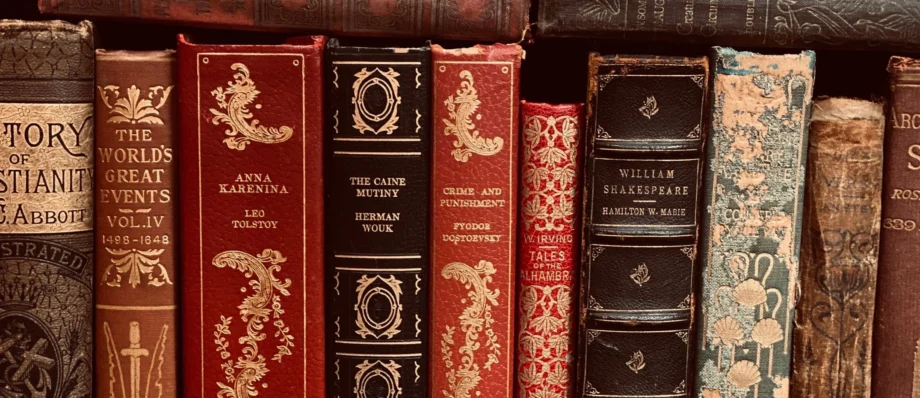
Why Some Classics Are Difficult (and How to Actually Enjoy Them)
Why Some Classics Feel So Hard
Classic literature often comes from a different time, a different world, and a different way of telling stories. That creates a few built-in hurdles:
- Language that feels like a foreign tongue. Shakespeare’s plays, Dickens’s long sentences, or Joyce’s stream-of-consciousness style can feel like reading another language. Words have shifted meaning, grammar rules have changed, and authors loved showing off their vocabulary.
- Unfamiliar cultural and historical context. References to 19th-century whaling, Victorian social rules, or ancient Greek myths can fly right over our heads if we don’t know the backstory.
- Length and pacing. Many classics were written in an era before Netflix and 280-character attention spans. War and Peace has over 500 characters. Infinite Jest has 1,000+ pages and hundreds of footnotes.
- Dense themes and layers. These books aren’t just stories, they’re packed with philosophy, social commentary, and symbolism. You can’t breeze through them like a beach read.
The result? A 2023 survey by the National Endowment for the Arts found that nearly 60% of adults who start a classic abandon it before the end. But the ones who push through almost always say it was worth the effort.
The Hidden Payoff: Why the Struggle Is Worth It
The very things that make classics difficult are also what make them extraordinary. They reward patience in ways modern page-turners rarely do.
Take Moby Dick. Yes, the chapters about whale biology feel endless until you realize Melville is using the whale as a symbol for obsession, nature, and the limits of human knowledge. Once that clicks, the book transforms from “boring” to profound.

9 Hardest Books to Read or Challenge Accepted – Book Summary Insight
Or Ulysses. James Joyce crammed an ordinary day in Dublin with every literary trick imaginable. It’s exhausting until you start noticing how he mirrors Homer’s Odyssey in the smallest details. Suddenly you’re inside one of the most brilliant minds in literature.

Vintage Book Set by Color, Custom Old Books Decor, Wedding Centerpiece, Neutral Cottagecore Farmhouse Shelf Styling, Antique Book Bundle – Etsy
Classics force us to slow down, think deeper, and see the world through someone else’s eyes. They build empathy, cultural literacy, and a richer inner life. Readers who finish them often describe the experience as life changing.
How to Enjoy Classics Without the Headache
You don’t have to suffer to “get” them. Here are proven ways to make the process enjoyable instead of painful:
1. Pick the right starting point Not all classics are equally tough. Begin with something more accessible like Pride and Prejudice or The Great Gatsby before tackling The Brothers Karamazov. Build your “classic muscles.”
2. Get the backstory first Spend 10–15 minutes reading a quick summary or watching a short YouTube overview of the historical context. Knowing why the author wrote the book removes half the confusion.
3. Use the “chunk and reward” method Read in short bursts 20–30 pages at a time then reward yourself. Many people finish dense classics by treating them like a TV series with built-in cliffhangers.
4. Try audiobooks or dual reading Listening while following along in the text makes archaic language flow naturally. Great narrators turn Moby Dick into an adventure instead of a slog.

Four Ways To Enjoy Cozy Summer Reading Outside – Due South
5. Join a book club or read with a buddy Talking through confusing parts with others makes everything clearer and more fun. Someone else might catch a joke or reference you missed.

How to Start a Book Club in 8 Easy Steps: a Complete Guide
6. Annotate without guilt Underline, write questions in the margins, or keep a simple notebook. You’re not taking a test you’re having a conversation with the book.
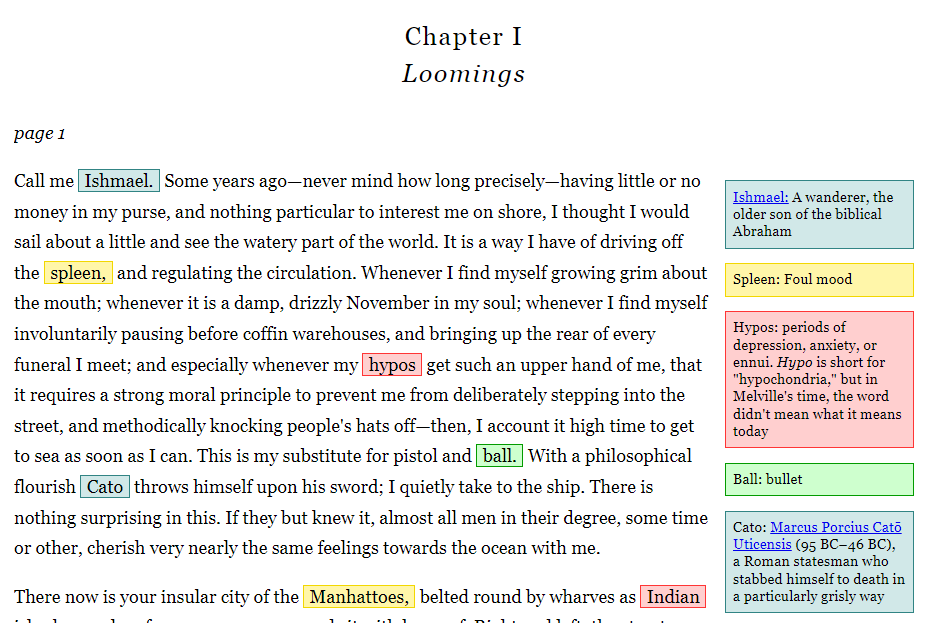
Notes on Moby Dick: Chapter 1. When I first tried reading Herman… | by Brian Adam | Medium
7. Give yourself permission to skim It’s okay to glide over the whaling chapters or the endless descriptions of Russian nobility. Focus on the characters and big ideas. You can always go back later.
The Bottom Line: Classics Reward the Patient Reader
Why some classics are difficult and how to enjoy them boils down to this: they ask more of us, and in return they give us more. The struggle isn’t the point the discovery is.
Next time you feel tempted to quit on a tough classic, remember: every great reader you admire has been exactly where you are. The difference? They kept going, one page at a time.