

Criminal Cases That Changed Laws: 5 Landmark Trials That Shaped Justice
Ever watched a crime show where police read someone their rights and thought, “That’s just TV drama”? Or wondered why schools do lockdown drills or why certain laws feel so specific? Many of the rules we live by today didn’t come from politicians sitting in rooms—they were born from heartbreaking or outrageous criminal cases that forced society to fix broken systems.
These criminal cases that changed laws show how one tragic story can ripple outward and protect millions. They’re equal parts fascinating and sobering. Let’s look at some of the most impactful ones that still affect our daily lives.
Miranda v. Arizona: The Birth of Your “Rights”

In 1963, Ernesto Miranda was arrested in Arizona for kidnapping and rape. Police questioned him for hours without telling him he could stay silent or have a lawyer. He confessed, was convicted, and appealed all the way to the Supreme Court.
The Court ruled in his favor in 1966. Now, every arrest in the U.S. includes the famous Miranda warning: “You have the right to remain silent…” This case transformed police procedure and protected suspects from coercive questioning.
It’s a perfect example of how one criminal case exposed a major flaw in the justice system and created a safeguard we now take for granted.
Gideon v. Wainwright: The Right to a Lawyer
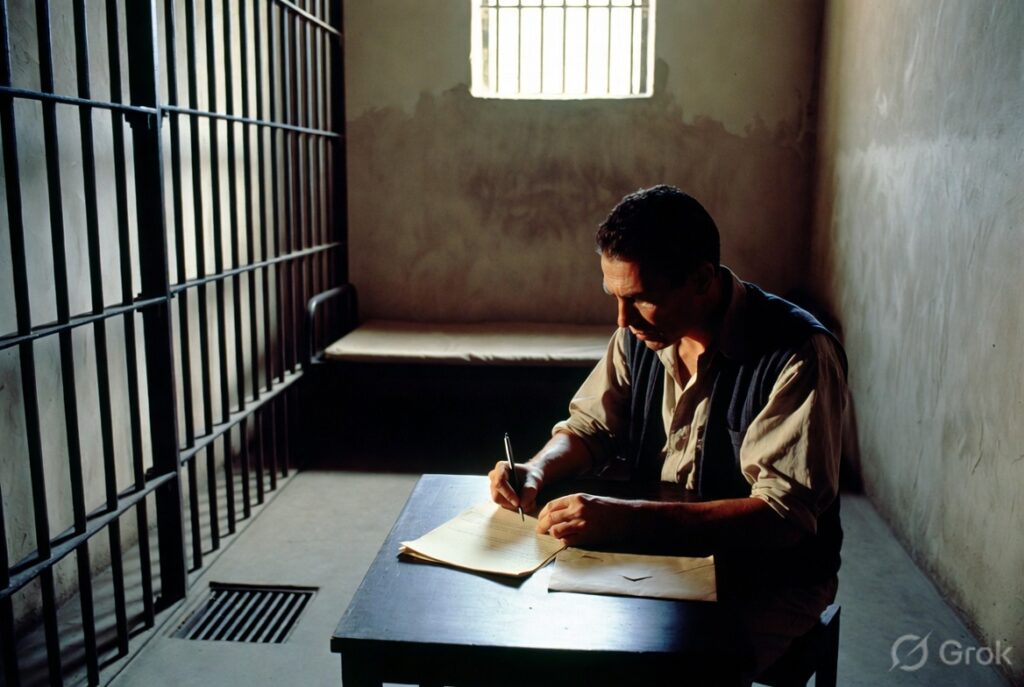
Clarence Gideon was charged with breaking into a pool hall in Florida in 1961. Too poor to hire a lawyer and denied one by the court, he defended himself and was convicted.
From his prison cell, Gideon wrote a handwritten appeal. The Supreme Court agreed: the Constitution guarantees the right to counsel for anyone facing serious criminal charges, even if they can’t afford it. This 1963 decision changed how courts handle indigent defendants across the country.
Thanks to Gideon, public defender systems grew stronger, making justice a bit fairer for those without money.
Megan’s Law: Protecting Children After Tragedy
In 1994, seven-year-old Megan Kanka was lured into a neighbor’s house in New Jersey and murdered by a twice-convicted sex offender who lived across the street—unknown to her family.
The public outrage was massive. Within months, New Jersey passed “Megan’s Law,” requiring sex offenders to register with authorities and notify communities. Similar laws spread across the U.S. and influenced international policies.
This case showed how transparency and public information could prevent future tragedies, even as it raised debates about privacy and rehabilitation.
The Tylenol Poisonings: Consumer Safety Laws

In 1982, seven people in the Chicago area died after taking cyanide-laced Tylenol capsules. The killer was never caught, but the panic was enormous.
Johnson & Johnson’s swift recall and the case’s fallout led to the Federal Anti-Tampering Act. Tamper-evident packaging (those foil seals and safety caps) became standard. This criminal act changed how all over-the-counter medicines and many food products are packaged today.
It’s a reminder that sometimes the scariest crimes lead to everyday protections we barely notice.
Amber Alert System: After a Devastating Kidnapping
Nine-year-old Amber Hagerman was abducted while riding her bike in Texas in 1996. Her murder sparked outrage when it was revealed how little coordinated response there was at the time.
Her parents and community pushed for change. The Amber Alert system was born—emergency notifications that broadcast child abduction details to the public. It has since helped recover hundreds of children across the U.S. and inspired similar systems worldwide.
Why These Cases Still Matter
Criminal cases that changed laws remind us that justice isn’t static. When the system fails spectacularly, society often steps up to rewrite the rules. These stories highlight both human tragedy and the power of collective action.