How Space Technology Improves Life on Earth in Ways You Use Every Day
Navigation and Timing That Keep the World Moving
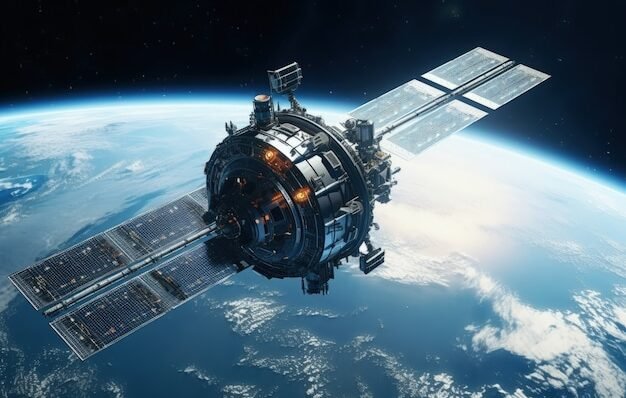
The Global Positioning System (GPS) and similar satellite networks are among the most obvious gifts from space. They guide cars, planes, ships, delivery drivers, and hikers. But the impact goes deeper. Precise timing signals from satellites synchronize power grids, enable seamless online banking and stock trades, and help emergency services locate people in distress.
Without these systems, modern logistics, ride-sharing, and even many financial transactions would grind to a halt. What began as a military and scientific tool has become essential infrastructure.
Weather Forecasts and Climate Insights
Most of the data that feeds weather models comes from satellites. They track storms in real time, measure ocean temperatures, monitor atmospheric moisture, and watch developing hurricanes days before they threaten coastlines. Early warnings save lives and give communities time to prepare.
Satellites also provide the long term view needed to understand climate patterns, track deforestation, measure ice melt, and monitor air quality. This information helps farmers, city planners, and policymakers make better decisions about resources and resilience.
Satellites give us a continuous, global view of weather and environmental change.
Smarter Farming and Stronger Food Security
Precision agriculture relies heavily on space technology. Satellites measure soil moisture, crop health, and vegetation stress. Farmers use this data to apply water, fertilizer, and pesticides only where needed boosting yields while reducing waste and environmental impact.
During droughts or after floods, satellite imagery helps assess damage quickly and guide recovery efforts. In many regions, this information supports better planning for food production and early warnings for potential shortages.
Clean Water, Health Innovations, and Everyday Comforts
Technologies created for astronauts have found remarkable second lives on Earth:
- Advanced water purification systems designed for spacecraft now help provide safe drinking water in remote areas and disaster zones.
- Memory foam, originally developed for aircraft seating and later refined for space, cushions mattresses and protective gear.
- Infrared thermometer technology adapted from measuring distant stars is common in homes and hospitals.
- Scratch-resistant coatings and improved imaging sensors improve eyeglasses, cameras, and medical diagnostics.
- Air filtration research for closed spacecraft environments has led to better indoor air purifiers.
Medical monitoring tools developed to track astronauts’ health have also influenced remote patient monitoring systems used in hospitals and homes today.
Disaster Response and Environmental Protection
When floods, wildfires, earthquakes, or storms strike, satellites deliver rapid imagery and data that help first responders map damage, locate survivors, and prioritize aid. Programs that share satellite data during major disasters have supported emergency efforts worldwide.
Satellites also track wildlife habitats, illegal fishing, pollution, and land-use changes, giving conservationists and governments tools to protect ecosystems more effectively.
The Quiet Revolution Continues
Many of these benefits started as side effects of solving hard problems for spaceflight. Engineers needed reliable navigation, efficient power, lightweight materials, and ways to recycle every drop of water. Solving those challenges created tools that turned out to be incredibly useful on a planet facing its own complex problems.