
How Costume Design Defines Characters: The Silent Storyteller of Film and TV
Clothes as Character Introduction
The first impression is everything. A well-designed costume communicates background, occupation, class, and attitude in seconds. Indiana Jones’ leather jacket, fedora, and practical shirt tell you he’s an adventurer who lives outside conventional rules, yet still carries a certain dignity. The yellow tracksuit in Kill Bill turns Uma Thurman’s Bride into an unforgettable force of focused revenge.
Color plays a huge role. Warm tones often signal passion or volatility. Cool neutrals can suggest restraint or isolation. Bold, saturated colors announce presence; muted, worn fabrics suggest struggle or humility. Designers use these associations deliberately so the audience feels the character before fully processing the plot.
Tracking the Character Arc Through Wardrobe
The smartest costume work evolves with the story. As a character changes, so does their clothing sometimes dramatically, sometimes in quiet, almost subliminal shifts.
In Breaking Bad, Walter White’s progression from beige, nondescript clothes to darker, more assertive looks mirrors his moral descent and growing confidence. Skyler’s wardrobe shifts reflect her own transformation and rising tension. These changes don’t need explanation; viewers absorb them visually.
Similar techniques appear across genres. A character might start in soft pastels and end in sharper, stronger silhouettes. Or the opposite: someone rigid and formal gradually softens as they open up emotionally. Costume becomes a visual diary of internal change.
Fittings are often where actors first “find” their characters through clothing.

Building Worlds and Revealing Power
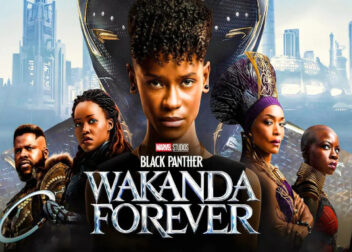
Costume design also defines social hierarchies and cultural context. In Black Panther, Ruth E. Carter blended traditional African elements with futuristic innovation, creating looks that felt both rooted and visionary. The Dora Milaje’s powerful, functional armor communicated strength, heritage, and unity without a single explanatory speech.
Period pieces rely heavily on this skill. The opulence or restraint of fabrics, the cut of a collar, or the condition of a garment instantly places characters within a class system or historical moment. Even fantasy and sci-fi worlds gain credibility through consistent, thoughtful clothing codes.
Collaboration and the Actor’s Transformation
Many actors say they don’t fully understand their character until they put on the clothes. Costume designers work closely with performers during fittings, refining details until the silhouette, weight, and movement feel right. Small choices how a jacket sits on the shoulders, the distress on a pair of jeans, the exact shade of a shirt can unlock physicality and emotional truth.
Legendary designers like Edith Head, Colleen Atwood, and Sandy Powell built careers on this principle. They treated clothing as character psychology rather than decoration. Head famously dressed stars for decades while prioritizing what served the role. Atwood’s work with Tim Burton created instantly recognizable silhouettes that felt inseparable from the characters themselves.
Why It Matters Beyond the Screen
Effective costume design does more than support the story it makes characters memorable and relatable. Iconic looks enter the culture: the little black dress from Breakfast at Tiffany’s, the red cloaks of The Handmaid’s Tale, the sharp suits of Peaky Blinders. These become visual shorthand that outlives the original project.