
Lessons Learned from Extreme Survival Experiences: 7 Timeless Truths That Can Change Your Life
1. A Positive Mindset Is Your Ultimate Survival Tool
Ernest Shackleton’s 1914 Endurance expedition is often called the greatest survival story ever told. When his ship got trapped and crushed in Antarctic ice, the entire 28-man crew faced two years of freezing darkness, starvation risks, and isolation. Yet every single person made it home alive.
What made the difference? Shackleton’s relentless optimism and leadership. He kept morale high with humor, routines, and a “never leave anyone behind” ethos. He turned despair into purpose organizing games, assigning tasks, and always projecting calm confidence.
Lesson learned from extreme survival experiences: Your attitude isn’t fluff it’s fuel. In tough times (a job loss, health scare, or personal setback), focusing on what you can control keeps you moving forward. Small daily wins compound. As survivors often say, “The mind gives up long before the body does.”
Endless Ice – Boston Review
2. Teamwork Beats Solo Heroics Every Time
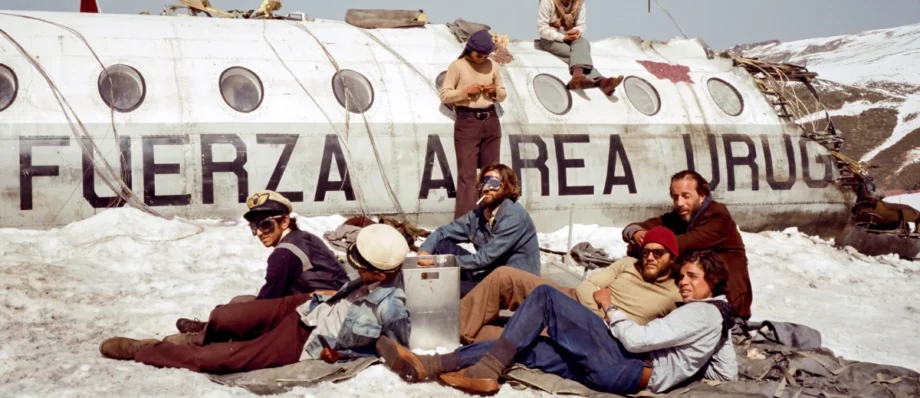
When a Uruguayan rugby team’s plane crashed in the Andes in 1972, 16 young men were stranded for 72 days at 11,700 feet with no food, extreme cold, and avalanches. They survived by working as a tight-knit group assigning roles based on strengths, sharing limited resources, and even making the unthinkable choice to use the bodies of the deceased for sustenance.
Fast-forward to 2018: 12 Thai boys and their coach trapped in a flooded cave for 17 days. The boys stayed calm, meditated, and supported each other while international rescuers worked a miracle. No one played the lone wolf.
Lesson learned from extreme survival experiences: Isolation kills. In real life, leaning on your “team” friends, family, colleagues multiplies your chances. Build those bonds before crisis hits.
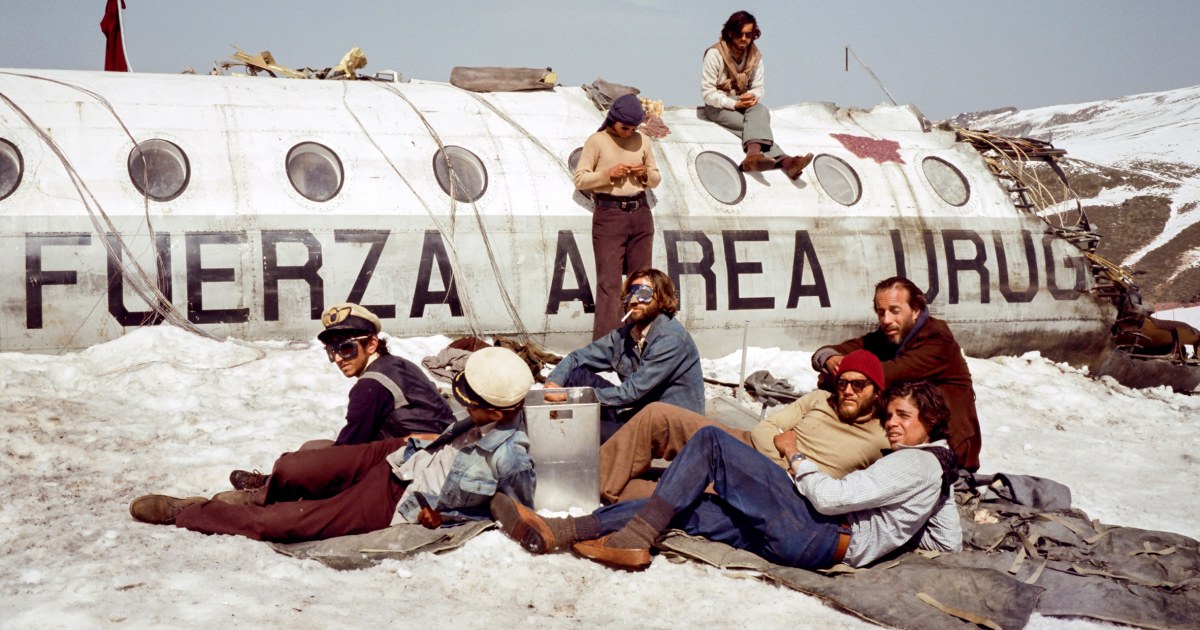
Society of the Snow’ a fresh take on famous 1972 Andes plane crash
3. Adaptability Turns Dead Ends into New Paths
Aron Ralston’s 2003 ordeal in Utah’s Bluejohn Canyon became the movie 127 Hours. A falling boulder pinned his right arm against the canyon wall. After five days alone, running out of water and food, he made the gut-wrenching decision to amputate his own arm with a dull multi-tool knife to free himself.
It wasn’t just physical toughness it was radical adaptability. He shifted from waiting for rescue to creating his own escape.
Lesson learned from extreme survival experiences: When Plan A (and B and C) fail, pivot without hesitation. Life throws curveballs dead end jobs, broken relationships, unexpected diagnoses. The survivors who thrive are the ones who ask, “What can I do right now with what I have?”

Aron Ralston – Wikipedia
4. Stay Calm—Panic Is the Real Killer
Survival psychology studies back this up: in disasters, most people don’t panic wildly they freeze or deny what’s happening. That delay costs lives. The Thai cave boys succeeded partly because they conserved energy and stayed composed. Shackleton’s crew avoided hysteria through structure and routine.
Lesson learned from extreme survival experiences: In any high-stress situation, take a breath. Focus on the next actionable step. Panic narrows your vision; calm expands your options. Practice this daily meditation, cold showers, or simply pausing before reacting to build that mental muscle.
5. Preparation and Small Steps Create Momentum
None of these survivors succeeded by winging it entirely. Shackleton had trained his men rigorously. The Andes group improvised snowshoes from plane wreckage and set tiny daily goals (melt snow, ration food, plan the next trek).
Lesson learned from extreme survival experiences: Big goals feel overwhelming. Break them into tiny, doable actions. Prepare what you can ahead of time skills, supplies, knowledge so when chaos hits, you’re not starting from zero.
6. Hope and Purpose Fuel Long-Term Survival
“Give up itis” is a real documented phenomenon in survival literature: people who lose hope literally shut down and perish even when physically capable. Every story here shares one thread—finding a reason to keep going. For Shackleton, it was getting every man home. For the Andes survivors, it was faith and loyalty to each other.
Lesson learned from extreme survival experiences: Anchor yourself to a bigger “why.” Whether it’s family, a dream, or simply proving you can endure, purpose is rocket fuel when motivation fades.
7. Resourcefulness Turns Scarcity into Opportunity
From using seat cushions as blankets in the Andes to the Thai coach teaching meditation in total darkness, survivors improvise brilliantly. They don’t wait for perfect tools they use what’s available in creative ways.
Lesson learned from extreme survival experiences: Scarcity breeds creativity. Next time you feel stuck with limited resources (time, money, energy), ask: “How can I repurpose what I already have?”
These lessons learned from extreme survival experiences aren’t just dramatic tales for the campfire they’re blueprints for a more resilient life. The same principles that kept Shackleton’s crew alive can help you navigate a layoff, a tough diagnosis, or even the daily grind of parenting or building a career.
The beautiful part? You don’t have to wait for a plane crash or cave flood to start applying them. Start small today: practice calm in traffic, lean on your people more intentionally, or reframe one “problem” as a challenge.