

Why Experiments Fail And What Scientists Learn from Failure
In a world chasing quick wins, understanding why experiments fail and what scientists learn from failure is key – especially for us Indians, with our rich history of resilient innovators. Let’s unpack the reasons experiments flop, share some epic real-world stories (including desi ones), and see how these “fails” spark breakthroughs. Who knows, it might change how you view your next setback!
Common Reasons Why Experiments Fail: It’s Not Always Bad Luck
Experiments don’t fail randomly – there are patterns, and knowing them can save headaches. From my dives into science chats and expert insights, here are the usual suspects.
First off, human error tops the list. Think mismeasuring ingredients (like adding a decimal too many) or forgetting a step in the protocol. It’s like forgetting salt in your dal – the whole thing falls flat.
Then there’s faulty equipment or materials. A wonky thermometer or expired reagents? Game over. Or improper storage – heat ruining your samples like monsoon humidity spoiling your spices.
Don’t forget uncontrolled variables. That sneaky draft changing your results, or not enough data leading to wonky conclusions. It’s why replication crises happen – experiments don’t always repeat because tiny factors slip through.
And the big one: flawed hypotheses or overgeneralization. Sometimes, your starting idea is off-base, or you assume too much from past precedents. Shortcuts, like rushing incubation times, add fuel to the fire.
Random errors (chance) and systematic biases (like faulty scales) play roles too. But hey, these “whys” aren’t defeats – they’re clues!
Famous Failures That Sparked Breakthroughs: When Mess-Ups Made History
Some of the coolest discoveries came from epic flops. These stories show what scientists learn from failure: Pivot, refine, and sometimes stumble into genius.
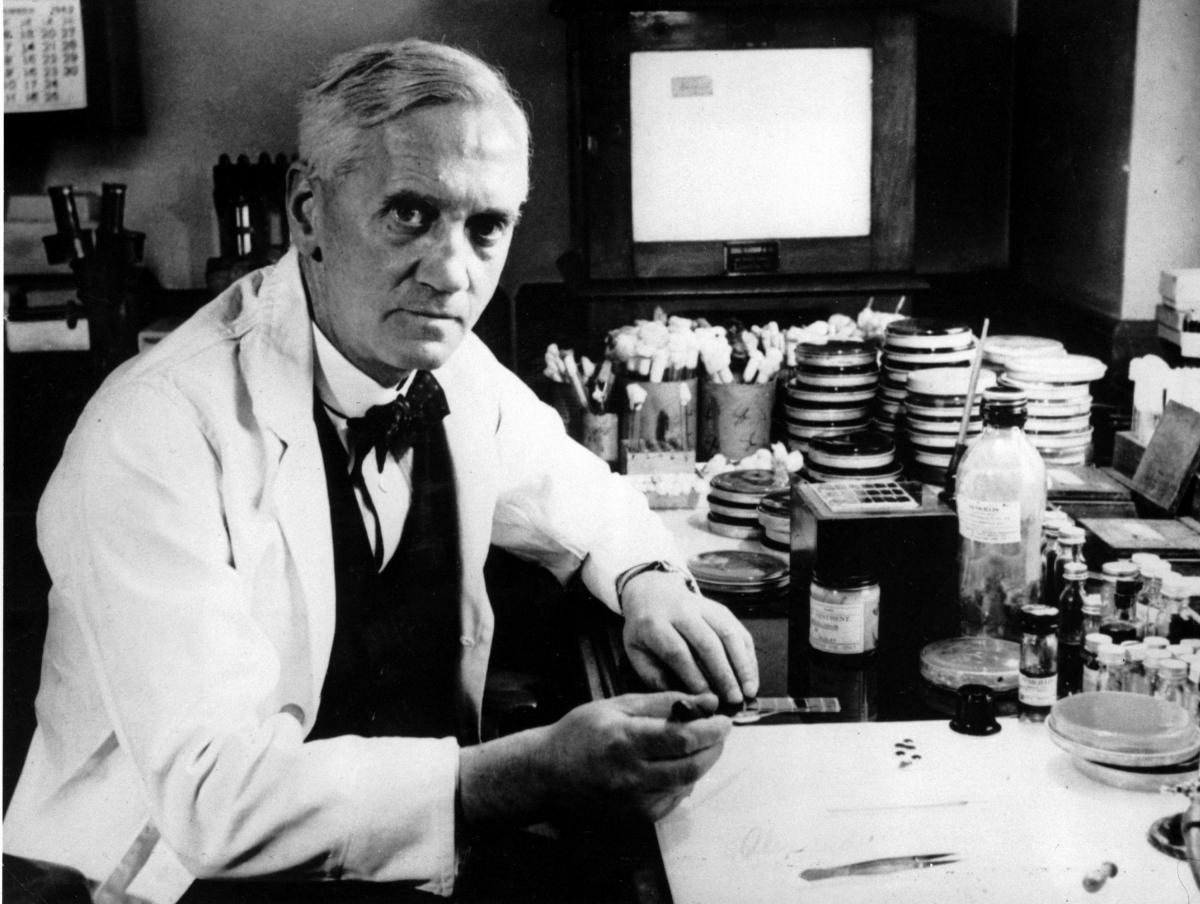
Take Alexander Fleming’s penicillin in 1928. He returned from vacation to moldy petri dishes – a total contamination fail. But that mold killed surrounding bacteria, leading to the first antibiotic. Saved millions! Lesson: Observe the unexpected.
These images of Fleming’s moldy discovery capture the “happy accident” vibe:


Or Wilhelm Röntgen’s X-rays in 1895. Experimenting with cathode rays, he spotted a weird glow – not what he aimed for. Turned out to be invisible rays penetrating objects, revolutionizing medicine. Fail? Nah, breakthrough!
The Michelson-Morley experiment in 1887? Tried to detect “ether” for light waves – total bust. But it paved the way for Einstein’s relativity. Failure reshaped physics!
Even Post-it notes: Weak glue flop led to sticky notes. And the microwave? Radar waves melted chocolate in an engineer’s pocket – hello, quick cooking!
These show failure often reveals hidden truths.
Indian Scientists Embracing Failure: Our Desi Resilience Stories
In India, failure’s part of the innovation DNA – think ISRO’s journey. The SLV-3 launch in 1979? Crashed into the Bay of Bengal. But as APJ Abdul Kalam shared, leader Prof. Satish Dhawan owned it publicly, saying the team needed more support. Next year? Success! Kalam learned: Own failure as a leader, learn collectively.
These ISRO images highlight the “fail to succeed” path:


Ritesh Agarwal of OYO? Early rejections and model critiques. He iterated, turning it into a global giant. Sachin Tendulkar’s low-score slump? Led to a comeback legend.
These tales echo: Failure builds resilience, refines ideas.
Key Lessons: What Scientists (and We) Learn from Failure
So, what scientists learn from failure? Tons! It refines methods, sparks accidental wins, teaches humility, and drives persistence. As Kalam said, read failure stories for ideas to succeed.
- Adapt and Iterate: Tweak variables, fix errors.
- Observe Deeply: Failures reveal overlooked truths.
- Build Resilience: Like ISRO, bounce back stronger.
- Foster Teamwork: Share blames, celebrate learns.