
Why Certain Teams Dominate Specific Sports: Unraveling the Secrets Behind Sporting Dynasties
It’s a humid Sunday evening in Mumbai, and you’re glued to the TV as Chennai Super Kings clinch yet another IPL thriller. The yellow jerseys erupt in celebration, and you can’t help but wonder—why do teams like CSK keep ruling the roost while others scramble? As a die-hard Indian sports lover who’s cheered through countless nail-biters, from cricket World Cups to Pro Kabaddi raids, I’ve always been fascinated by these dynasties. What makes certain teams dominate specific sports? Is it luck, money, or something deeper? Let’s dive in, unpacking the magic with real examples that hit close to home for us Indians. Trust me, by the end, you’ll see your favorite games in a whole new light.
The Foundation: Building on Tradition and History
Every dominating team has roots that run deep, like the banyan tree in our villages—strong, sprawling, and hard to uproot. Tradition isn’t just nostalgia; it’s a blueprint for success. Take the Indian men’s hockey team. Once the undisputed kings of the sport, they racked up eight Olympic golds between 1928 and 1980. Fast-forward to 2025, and they’re back in the spotlight, dominating international tournaments with a bronze at the Olympics and strong showings in the Hockey World League. Why? Their legacy inspires generations, creating a culture where young players dream of donning the blue jersey. It’s not just skill; it’s the weight of history pushing them forward.
In cricket, India’s national team has turned home soil into a fortress, winning series after series since 2011 against every major opponent. This dominance stems from a rich cricketing heritage, where kids in gullies mimic Kohli’s cover drives from a young age. History breeds expectation, and expectation fuels excellence. Ever noticed how teams without this backbone struggle to sustain wins?

Talent Pipelines: Scouting the Next Big Stars
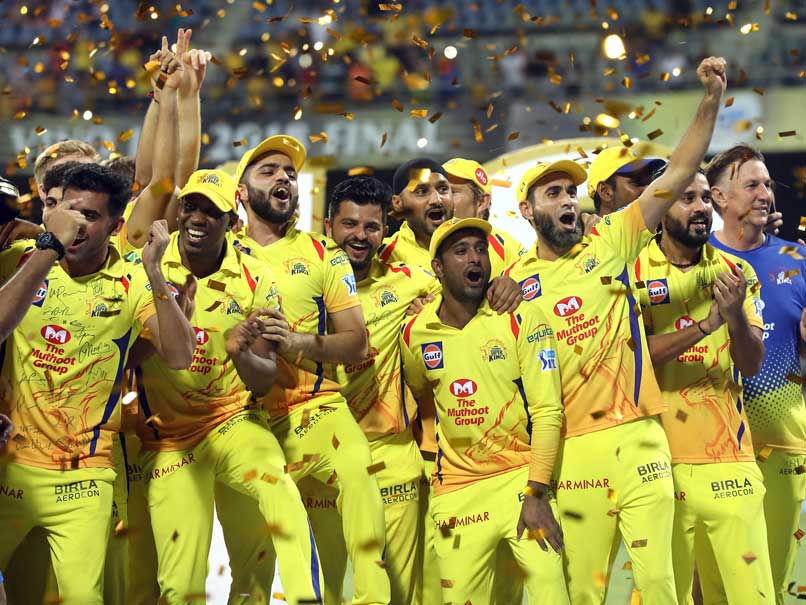
Dominance doesn’t happen overnight—it’s built on spotting and nurturing raw talent. Think of it like our Bollywood system, where talent hunts turn unknowns into superstars. In the IPL, Chennai Super Kings (CSK) exemplify this. They’ve won five titles, thanks to a killer scouting system that unearths gems like Ravindra Jadeja or Deepak Chahar early on. CSK invests in youth academies and data-driven selections, ensuring a steady flow of players who fit their “process-over-result” ethos.
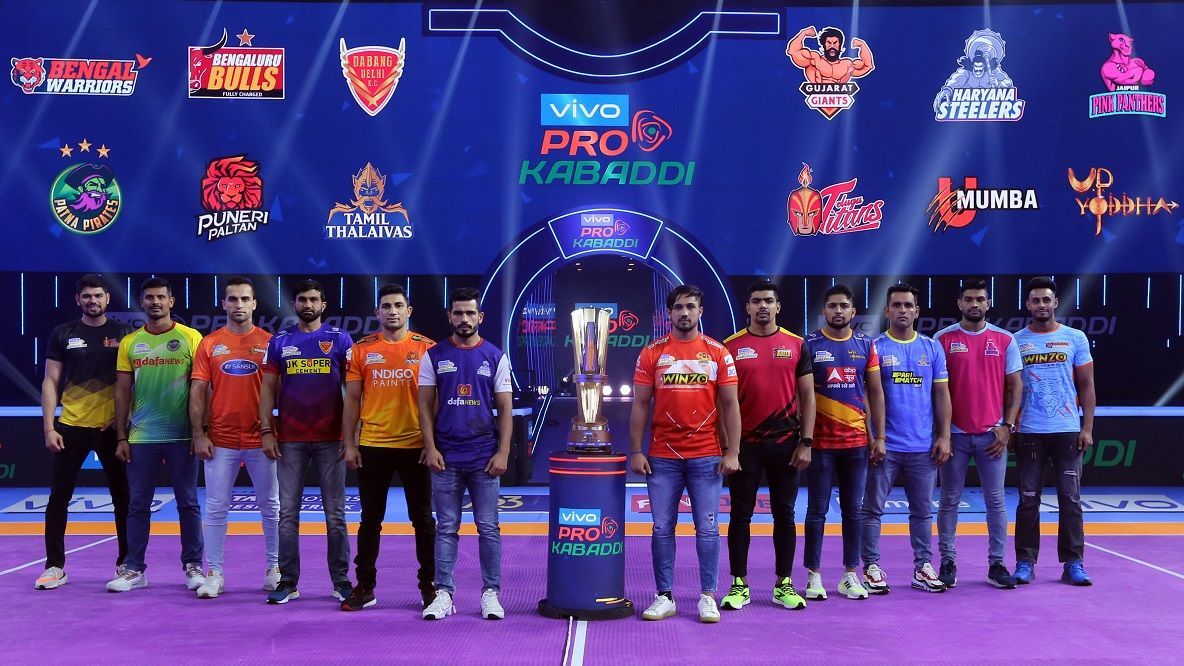
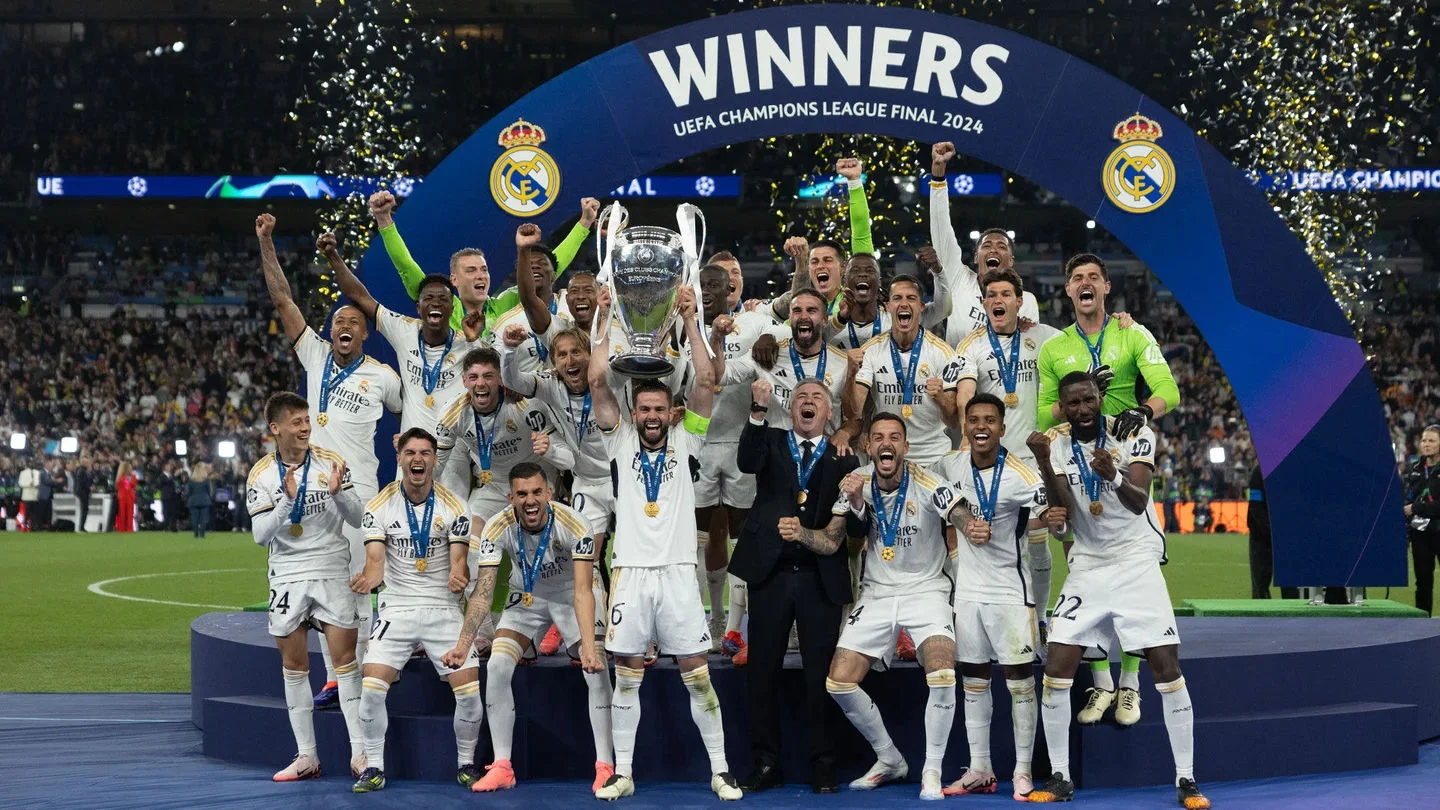
Globally, Real Madrid in football mirrors this. With 15 UEFA Champions League trophies, their La Fabrica academy has produced legends like Raul and Casemiro, keeping the squad fresh and formidable. For Indian fans, look at kabaddi. Teams like Patna Pirates in the Pro Kabaddi League (PKL) dominate with raiders scouted from rural Haryana and Punjab, where the sport is a way of life. These pipelines aren’t just about skill; they’re about cultural fit—players who embody the team’s spirit.
What if more Indian clubs adopted this? Imagine our football leagues booming like the ISL is starting to.
Masterful Coaching and Strategic Brilliance
Behind every great team is a coach who’s part strategist, part psychologist. In sports dynasties, leadership turns good players into unbeatable units. MS Dhoni’s captaincy for CSK is legendary—calm under pressure, trusting veterans, and backing youngsters. That’s why they’ve been the most consistent IPL side, with owners giving full reins to Dhoni and coach Stephen Fleming. It’s not flashy; it’s smart, like a well-played chess game.
On the world stage, the New York Yankees in baseball dominated the mid-20th century with managers who emphasized discipline and innovation. Closer home, the Indian cricket team’s rise under coaches like Ravi Shastri and now Rahul Dravid focuses on mental toughness and adaptability. Remember the 2025 T20 World Cup? Strategic tweaks turned potential losses into triumphs.
Coaching dynasties thrive on trust—players buy into the vision, creating that unbreakable team bond. Ever wondered why some coaches stick around for decades? It’s because they build empires, not just teams.
Financial Power: The Fuel for Sustained Success
Let’s be real—money talks in sports. Dominating teams often have deep pockets for top talent, facilities, and tech. The IPL’s financial muscle has made India a cricket superpower, with revenues dwarfing other leagues. Mumbai Indians, another IPL beast, leverage this to sign global stars like Rohit Sharma and build state-of-the-art training centers.
In football, Bayern Munich rules the Bundesliga because their budget allows squad depth that crushes competition. For us Indians, the PKL’s growth shows how investment turns kabaddi from a village game into a pro spectacle, with teams like Bengal Warriors dominating through sponsored training and nutrition programs.
But is this fair? It creates “big market” effects, where richer teams pull ahead. Yet, smart spending, not just splashing cash, is key—think CSK’s value picks over mega auctions.
The X-Factor: Passionate Fans and Cultural Resonance
Finally, no dynasty stands without its army of fans. In India, cricket isn’t a sport; it’s religion. The BCCI’s dominance stems from a billion-strong fanbase that funds everything from grassroots to globals. Teams like Mohun Bagan in football carry cultural pride, dominating derbies with East Bengal because the rivalry fuels performance.
Globally, Real Madrid’s “Galacticos” era thrived on worldwide adoration, boosting morale and sponsorships. Fans create pressure, but also that electric energy—remember the roar at Eden Gardens?
Wrapping up, certain teams dominate specific sports through a killer combo: history, talent scouting, top-notch coaching, financial savvy, and fan fervor. From CSK’s IPL reign to India’s hockey revival in 2025,