Understanding Stress: What’s Actually Happening in Your Brain (And Why It Matters Now More Than Ever)
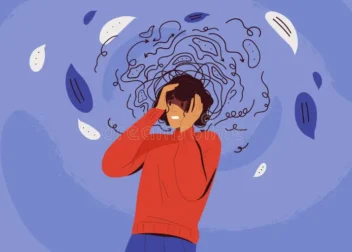
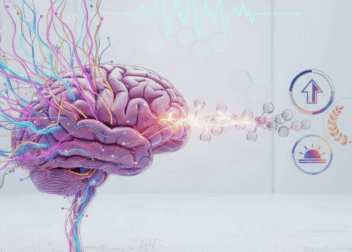
That split-second when your boss emails “We need to talk” and your heart does a somersault, palms sweat, and your mind races to worst-case scenarios? It’s not just “in your head” it’s a full-brain takeover. As someone who’s turned stress-fueled all-nighters into therapy-fueled breakthroughs (and devoured every neuro book in sight), I get it: Stress feels like an uninvited guest who trashes the place. But understanding stress and what’s happening in your brain demystifies the madness, turning “why me?” into “now what?” With chronic stress linked to 75% of doctor visits and shrinking brain regions like the hippocampus by up to 20% over time, it’s not fluff it’s your mental owner’s manual. Backed by brain science from Harvard to Mayo Clinic, we’ll unpack the frenzy, the fallout, and the fixes. By the end, you’ll have tools to evict that guest for good. Ready to rewire?
The Acute Stress Response: Your Brain’s Built-In Alarm System Kicks In
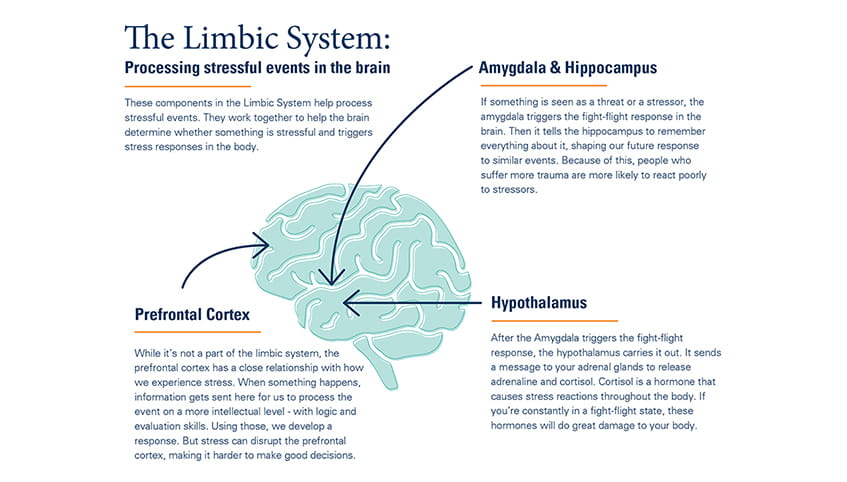
Stress isn’t the villain—it’s your brain’s ancient bodyguard. Picture a caveman spotting a saber-tooth tiger: The amygdala, your emotional smoke detector, lights up like a firework, screaming “Danger!” It pings the hypothalamus, which rallies the HPA axis (hypothalamus-pituitary-adrenal, but think “hype-a” for the rush). Boom: Adrenaline surges, heart races, blood sugar spikes—you’re primed to fight, flee, or freeze.
In modern terms? That deadline or argument triggers the same: Pupils dilate for focus, muscles tense for action. It’s genius evolution lasting minutes, it saves lives. But here’s the relatable rub: A 2024 Harvard study shows our brains can’t always tell a tiger from traffic, so daily stressors hijack this system, leaving us wired and wiped. Ever felt “hangry” mid-meeting? That’s cortisol (stress hormone) sidelining your prefrontal cortex, the decision-making boss, making you snap like a caveman over a bad hunt. Fun fact: Deep breaths can dial it back in seconds, signaling “all clear” to the vagus nerve.
Chronic Stress: The Sneaky Saboteur Rewiring Your Brain for the Worse
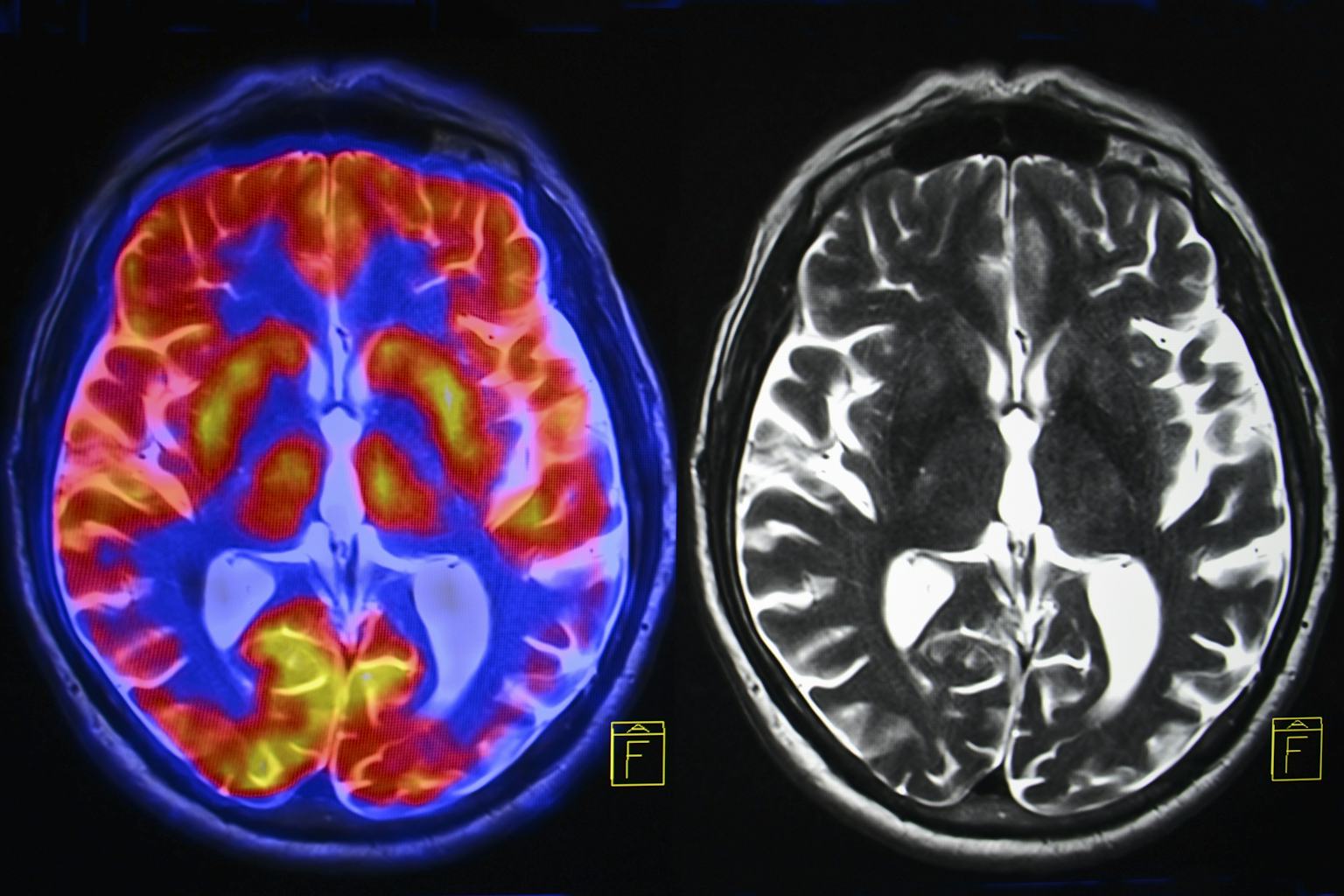
Acute stress is a sprint; chronic is a marathon that wears you down. When worries linger—work grind, money woes, endless scrolls—cortisol floods stay high, shrinking the hippocampus (memory hub) and amping the amygdala (fear center). Result? Foggy focus, emotional rollercoasters, and a 30% higher risk for anxiety or depression.
Science spotlights the damage: A UAB study found chronic stress accelerates brain aging, mimicking 10 extra years by eroding prefrontal cortex volume—your “wise owl” for decisions. Sleep suffers too: Elevated cortisol disrupts REM, leaving you irritable and accident-prone (hello, 40% more errors at work). My “aha” moment? During a high-stress job, I blanked on simple tasks—turns out, my hippocampus was playing hide-and-seek. Thought-provoking: If stress literally shrinks your brain, what’s one worry you’re ready to release today?
Hacking the Stress Cycle: Brain Science Says These Tricks Work
The good news? Your brain’s plastic—it rebounds with the right moves. Understanding stress empowers you to flip the script, shrinking the amygdala while bulking up calm centers like the prefrontal cortex.
Start simple:
- Breathe Like a Pro: 4-7-8 technique (inhale 4, hold 7, exhale 8) activates the parasympathetic “rest and digest” mode, slashing cortisol 20% in minutes.
- Move It Out: Exercise floods endorphins, rebuilding hippocampal cells 30 minutes daily cuts stress 25%, per Mayo Clinic.
- Mindful Moments: Meditation thickens the prefrontal cortex, improving focus 15% after 8 weeks. Apps like Headspace make it easy—my 10-minute sessions turned “overwhelm” to “okay.”
- Connect and Journal: Talking it out or scribbling worries offloads amygdala overload, boosting resilience.
Anecdote: Swapping doom-scrolls for walks? My anxiety dipped, clarity soared—brain science in action.
Calm Your Core: Mastering Stress Starts with Awareness
Understanding stress and what’s happening in your brain reveals it’s not a flaw it’s a feature gone haywire. From amygdala alarms to cortisol creeps, it’s a system begging for balance. The payoff? Sharper focus, deeper joy, and a brain that’s tougher than you think. Next time tension rises, remember: You’re the boss, not the biology.