
The Hidden Cost: The Environmental Impact of Fast Fashion Exposed
We’ve all been there, chasing the high of a bargain haul, but here’s the gut-punch: That “steal” is stealing from the planet. As someone who’s ditched fast fashion after a closet purge revealed a mountain of barely-worn impulse buys (guilty as charged), I’m passionate about peeling back the layers on the environmental impact of fast fashion. It’s not just hype it’s a crisis: The industry churns out 92 billion garments yearly, with 85% headed to landfills, and it’s responsible for 10% of global CO2 emissions, more than all international flights and shipping combined. Backed by UN reports and expert insights, we’ll dive into the dirty details, real-world fallout, and hope-filled fixes. By the end, you might rethink that next scroll-and-shop spree and feel empowered to make a difference.
The Carbon Footprint Crisis: How Fast Fashion Fuels Climate Change
Fast fashion’s breakneck pace churning out trends weekly comes with a hefty carbon bill. Producing those cheap threads relies on energy-guzzling factories, often powered by fossil fuels, spewing emissions at every step from fiber spinning to global shipping. The result? The sector accounts for 8-10% of worldwide greenhouse gases, outpacing aviation and maritime shipping combined. If unchecked, emissions could surge 50% by 2030.
Think about it: A single polyester shirt (hello, synthetic staple) derives from petroleum, emitting CO2 equivalent to driving 10 miles. Brands like Shein and Zara ship billions of items yearly, amplifying the footprint with air freight. Relatable regret: I once ordered a $5 dress from overseas—cute for one party, but its carbon trek? Equivalent to a cross-country flight. The environmental impact of fast fashion here is sneaky but massive, urging us: Do we need that impulse buy, or is it heating the planet for nothing?

Water Wastage and Pollution: Draining Rivers for Disposable Threads
Thirsty business? Fast fashion guzzles water like no other 79 trillion liters annually, enough to quench the thirst of 110 million people for a year. Cotton farming alone devours 2,700 liters per T-shirt, rivaling 2.5 years of drinking water for one person. Then comes dyeing: Toxic chemicals leach into rivers, turning waterways in Bangladesh and China into rainbow-hued hazards, poisoning fish and locals alike.
A chilling example: In Indonesia’s Citarum River, dubbed the world’s most polluted, fast fashion runoff has killed aquatic life and spiked health issues for nearby communities. The environmental impact of fast fashion extends to microplastics too—washing synthetics sheds 500,000 tons yearly, 35% of ocean microplastics. Eye-opener: That “affordable” jeans pair? It might cost a river its life. Makes you wonder: Is cheap chic worth the global thirst?
The Waste Avalanche: Landfills Overflowing with Yesterday’s Trends
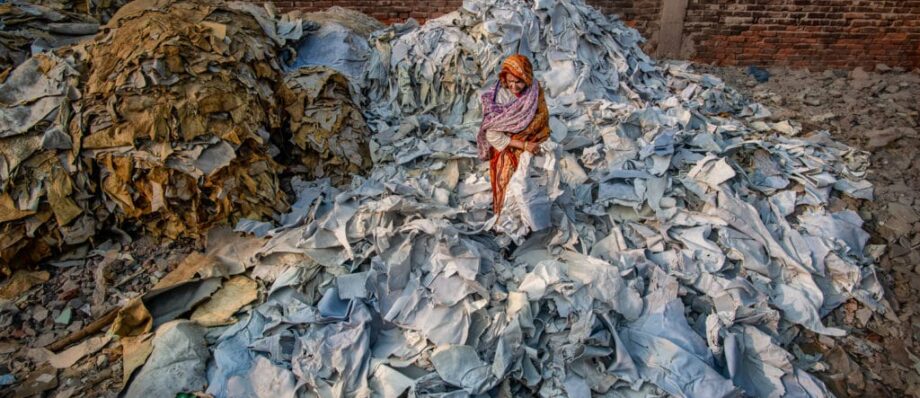
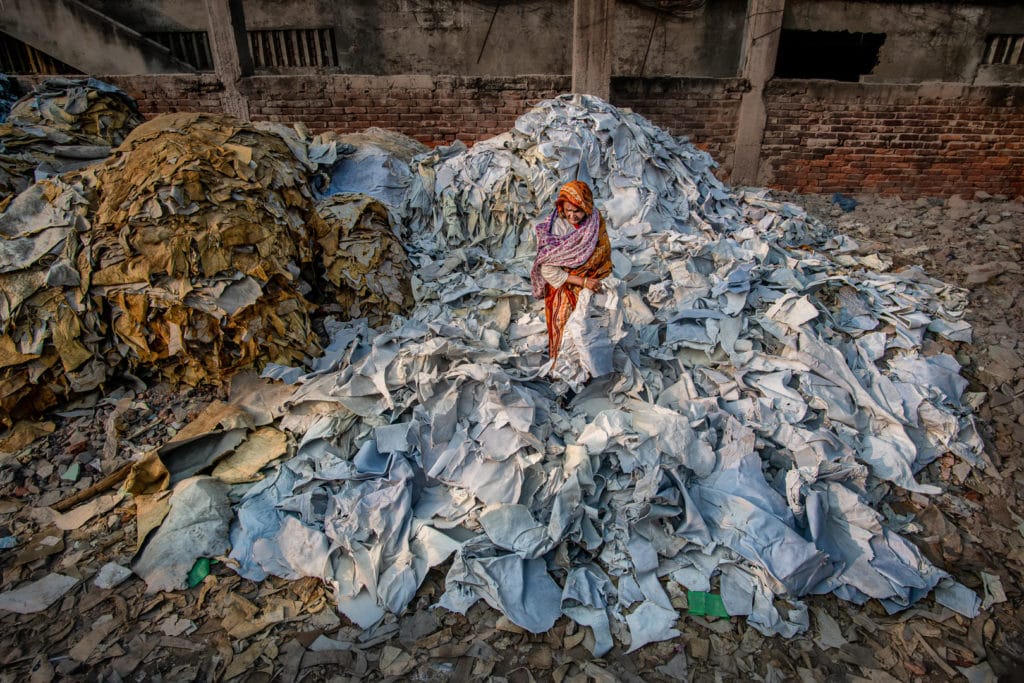
Fast fashion’s “buy now, toss soon” model creates a waste tsunami: 92 billion garments produced yearly, with 92 million tons dumped equivalent to a garbage truck every second. In the US, 11.3 million tons of textiles hit landfills in 2018, just 14% recycled. Synthetics like polyester linger for centuries, leaching toxins into soil and water.
Real-world horror: Chile’s Atacama Desert “clothing graveyard” piles up 39,000 tons yearly, visible from space a stark symbol of overconsumption. Anecdote: During my last closet cleanout, I unearthed a $15 dress worn once straight to donation. But multiply that by billions? Landfills choke. The environmental impact of fast fashion’s waste begs: How many “must-haves” do we really need?

Human and Health Toll: Beyond the Planet, the People
It’s not just Earth suffering fast fashion exploits workers in sweatshops, with 75 million in poor conditions, earning pennies for 16-hour days. The 2013 Rana Plaza collapse killed 1,134 in Bangladesh, spotlighting safety lapses. Closer home, microplastics from washes enter our food chain, linked to health woes like respiratory issues.
The environmental impact of fast fashion ripples to us: 94% of US tap water has microplastics, potentially causing digestive and reproductive harms. Thought-provoking: That bargain tee? It might cost lives and lungs worth the price tag?
Turning the Tide: Simple Steps to Combat Fast Fashion’s Impact
Hope isn’t lost—small swaps shrink the environmental impact of fast fashion. Opt for thrift shops: Secondhand sales hit $177 billion in 2023, diverting waste. Choose ethical brands like Patagonia, using recycled materials and fair labor.
Quick tips:
- Buy Less, Choose Well: Aim for quality over quantity pieces that last 30+ wears.
- Wash Wisely: Cold cycles, less frequent cuts microplastic shed by 90%.
- Repair and Recycle: Mend tears, donate unworn extends garment life 2x.
- Support Slow Fashion: Natural fibers like organic cotton use 91% less water.
My switch to vintage finds? Wardrobe refreshed, planet thanked win-win.
Final Stitch: Rethinking Our Closets for a Greener Tomorrow
The environmental impact of fast fashion is a wake-up call 10% emissions, trillions of liters wasted, oceans choked but we’re not powerless. By shopping mindfully, we slash the toll and spark change. Next impulse buy, pause: Does this spark joy for the planet too?