The Devastating Impact of Plastic Pollution on Marine Life
Plastic pollution isn’t just an eyesore; it’s a silent killer wreaking havoc on our oceans. With India being one of the top plastic polluters globally, the impact of plastic pollution on marine life hits close to home. Let’s dive into the gritty details, backed by eye-opening stats, and explore why we need to act now. Trust me, by the end, you’ll be rethinking that single-use straw.
What Exactly Is Plastic Pollution Doing to Our Oceans?
Plastic pollution starts innocently enough—a discarded bottle here, a shopping bag there—but once it hits the water, it breaks down into tiny pieces that linger for centuries. In the Indian Ocean alone, it’s like a “soup of plastics” threatening everything from fish to corals. Worldwide, over 1 million marine animals die each year from plastic entanglement or ingestion, and that’s a conservative estimate. For us Indians, rivers like the Ganges dump massive amounts of plastic into the sea, affecting not just wildlife but our fishing communities too.
Think about it: Our love for convenience—those chai cups and snack wrappers—ends up in the ocean, where it mimics food or traps unsuspecting creatures. It’s a chain reaction that disrupts entire ecosystems.
The Deadly Grip: How Plastic Entangles Marine Animals
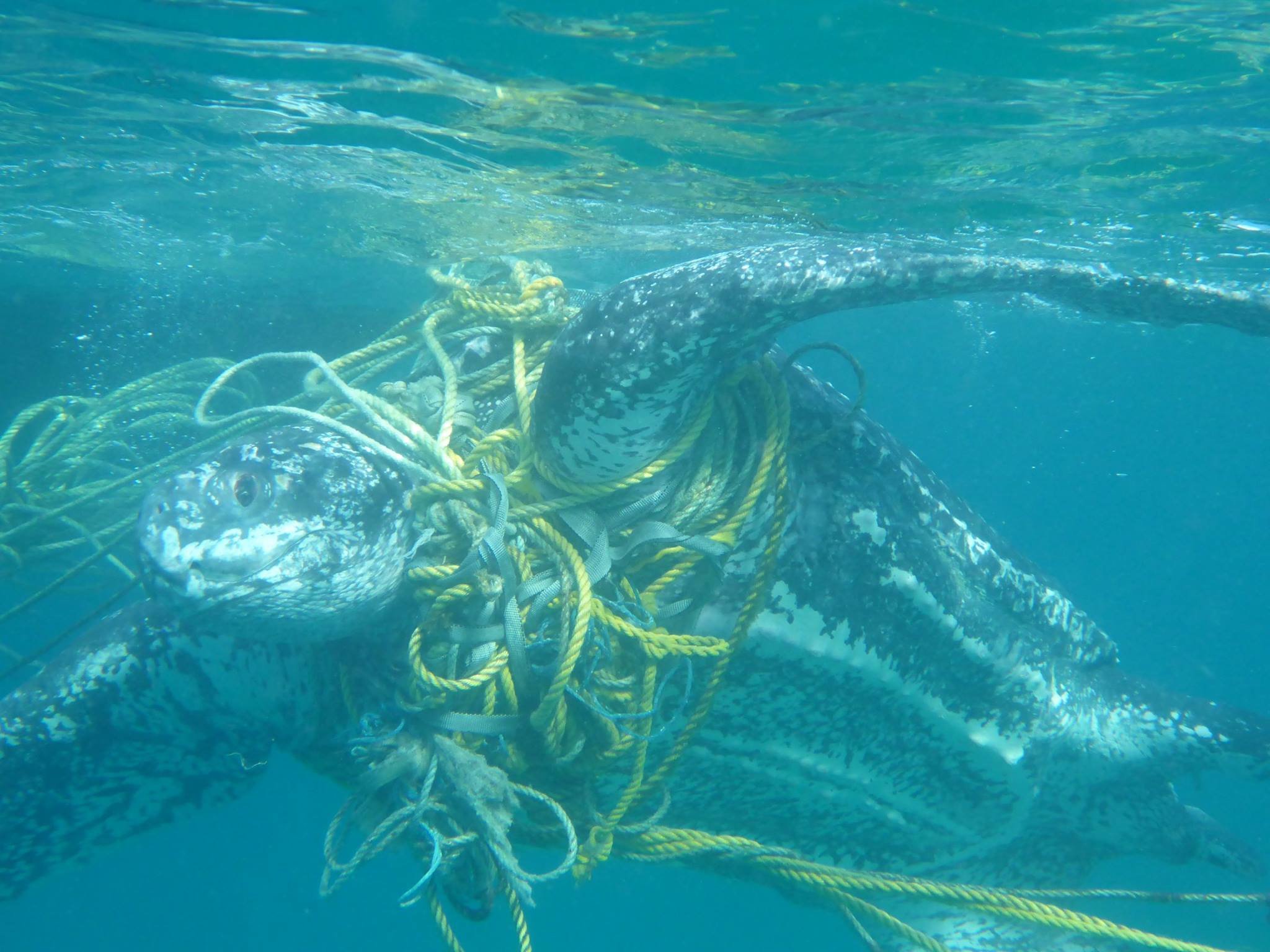
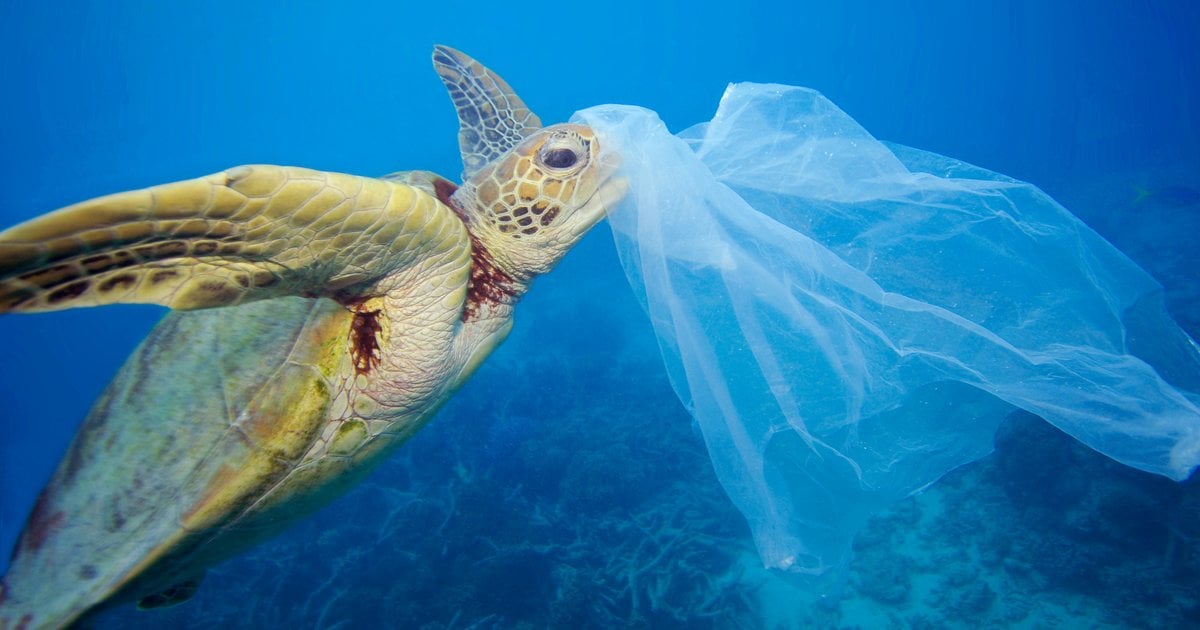
One of the most heart-wrenching impacts of plastic pollution on marine life is entanglement. Ghost nets (abandoned fishing gear) and plastic rings snag sea turtles, seals, and dolphins, leading to injuries, starvation, or drowning. In the Pacific, 75% of sea turtles have ingested plastic, but closer home in the Indian Ocean, turtles are dying from blockages caused by balloons, bags, and fishing lines.
Remember that viral video of a turtle with a straw stuck in its nose? That’s just the tip of the iceberg. Studies show that even small amounts of plastic can be fatal—rubber and hard plastics are especially deadly for seabirds and turtles. In Indian waters, like around Lakshadweep, marine species are choking on our waste, turning vibrant reefs into graveyards.
Take a look at these heartbreaking images of sea turtles entangled in plastic—it’s a stark reminder of the toll:

The Invisible Killer: Microplastics and Their Toxic Effects
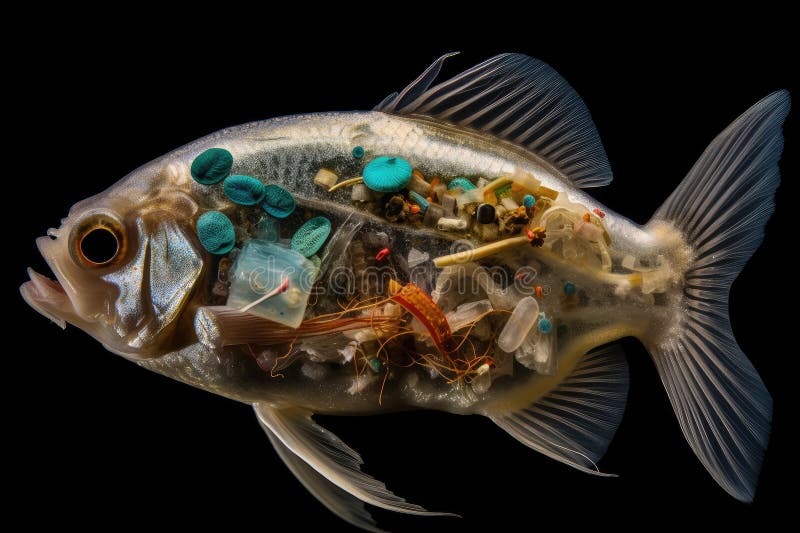
Now, let’s talk about the sneaky side—microplastics, those tiny bits less than 5mm that come from broken-down larger plastics. These invaders are everywhere in the Indian marine environment, from plankton to big fish, causing everything from reduced feeding and fertility to stunted growth in aquatic life.
Fish mistake these particles for food, filling their stomachs with junk that offers no nutrition, leading to starvation. Worse, microplastics absorb toxins like pesticides, which then enter the food chain—potentially ending up on our plates! In 2025 studies, half of Pacific fish have consumed plastic, and similar trends are emerging in the Indian Ocean.
These images of microplastics in fish stomachs are eye-openers—next time you enjoy that pomfret curry, think about what’s inside:


Plastic Pollution in Indian Waters: A Homegrown Crisis
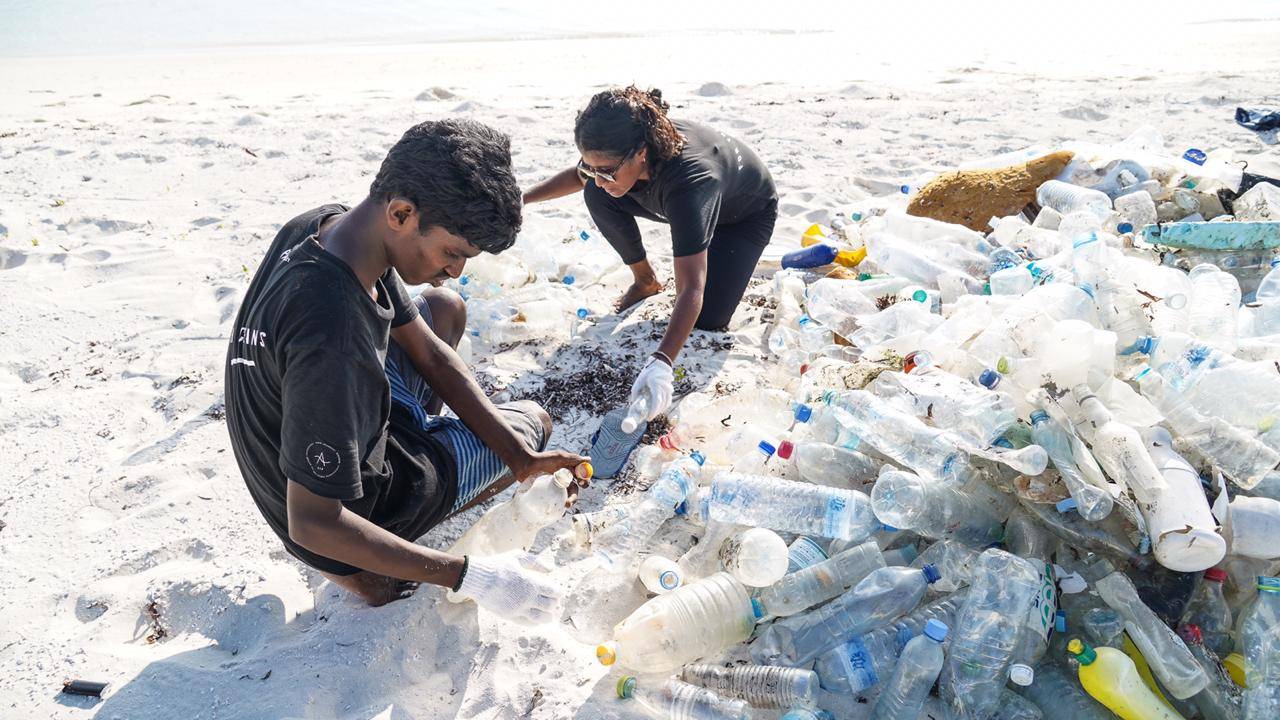
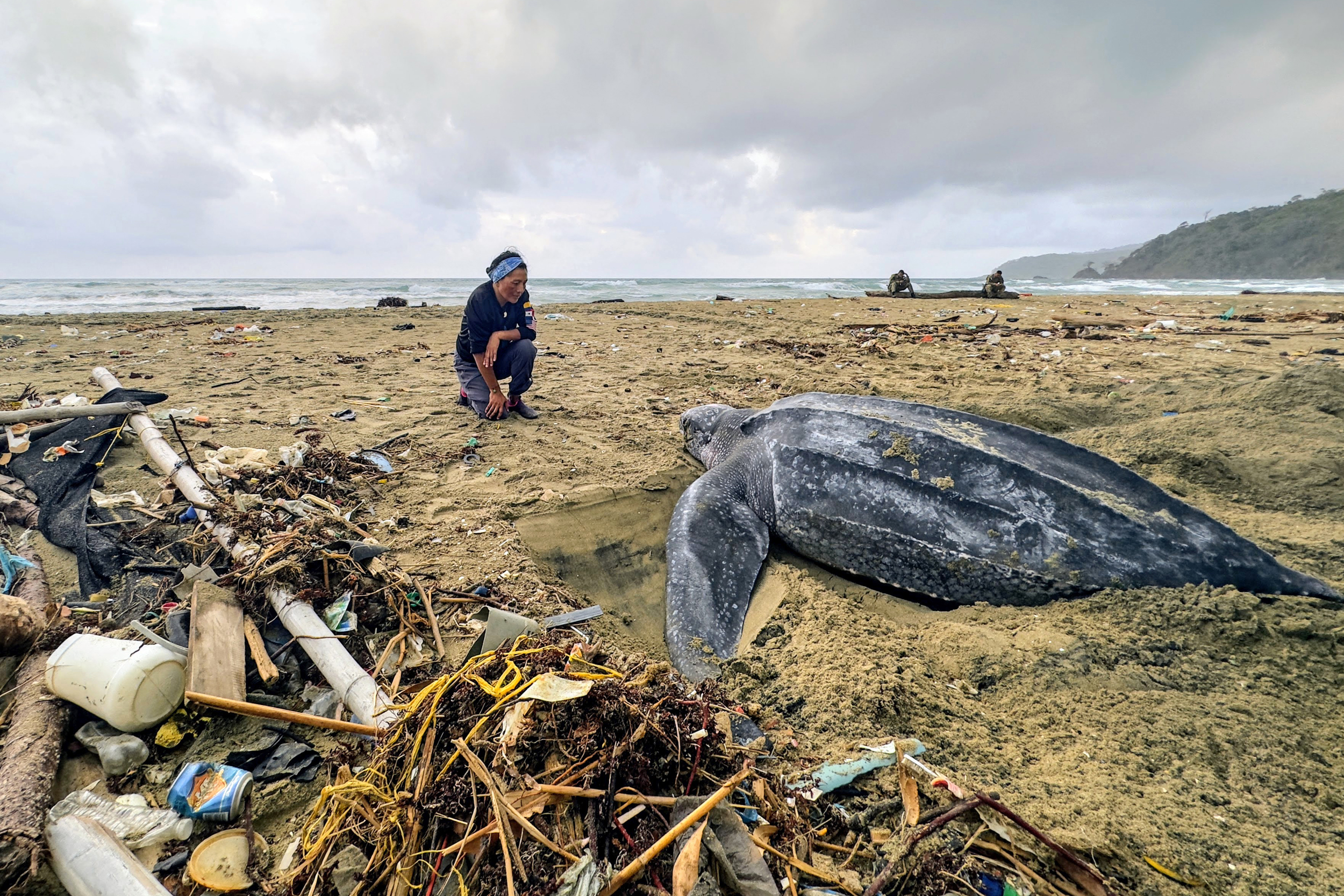
India’s 7,500 km coastline is a hotspot for this mess. The Ganges alone carries billions of microplastic particles into the Bay of Bengal daily, harming species like the Olive Ridley turtles that nest on our shores. In the Arabian Sea, pollution from cities like Mumbai and Chennai is contaminating fish stocks, affecting livelihoods of millions in coastal communities.
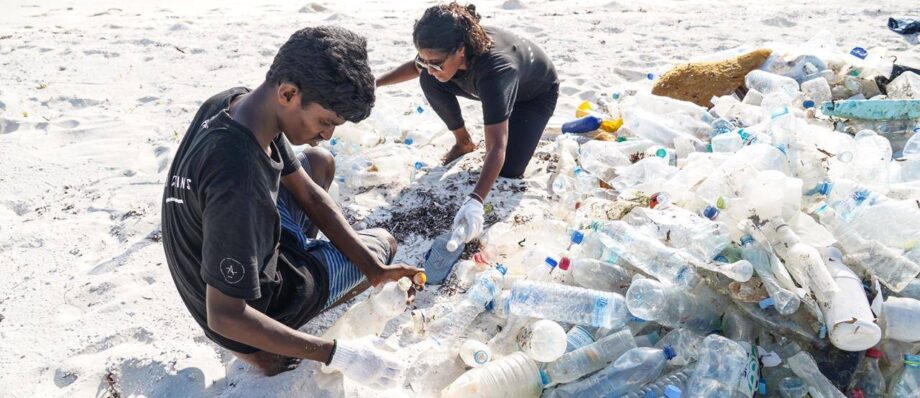
Projections are grim: If trends continue, 33 billion tonnes of plastic could accumulate in oceans by 2050, with India contributing heavily. But it’s not all doom—initiatives like beach clean-ups in Kerala and bans on single-use plastics in states like Maharashtra show we’re fighting back.
These snapshots of plastic pollution on Indian beaches highlight the urgency:

Real Stories That Hit Hard: From Seabirds to Whales
Across hundreds of marine species, plastic causes internal injuries, infections, and even behavioral changes. In the Indian Ocean, floating garbage threatens biodiversity and human health through contaminated seafood. One study found that eating just a handful of plastic can be lethal for animals like porpoises and whales.
It’s thought-provoking: Our Diwali fireworks wrappers or Holi water balloons could be the culprit in a whale’s belly thousands of km away.
Turning the Tide: Simple Steps We Can Take
The good news? We hold the power. Switch to reusable bags, support local clean-ups, and push for stronger policies like the Plastic Waste Management Rules. Small actions add up—imagine if every Indian family cut one plastic item a week!