
Success Stories: Animals Brought Back from the Brink of Extinction in India – Inspiring Conservation Wins
Have you ever felt a lump in your throat watching a wildlife documentary, thinking some majestic creatures might disappear forever? As an Indian wildlife enthusiast who’s trekked through Gir’s dry forests and watched rhinos graze in Kaziranga’s grasslands, I know that feeling all too well. But here’s the good news: extinction isn’t always the final chapter! Thanks to dedicated conservation efforts, community involvement, strict protection, and sheer determination, several iconic Indian animals have staged incredible comebacks. These success stories of animals brought back from the brink of extinction remind us that when we act together, nature can heal. Let’s celebrate some of our greatest wildlife wins right here at home.
The Asiatic Lion: From 18 Survivors to a Thriving Pride
Once roaming across much of Asia, the Asiatic lion was hunted to the edge of oblivion. By 1893, only about 18 individuals remained in Gujarat’s Gir Forest—their last stronghold. Poaching, habitat loss, and human conflict nearly wiped them out.
Fast-forward to today: Strict protection, anti-poaching patrols, and community-led initiatives have turned the tide. The latest 2025 census shows an impressive 891 Asiatic lions—up from 674 just five years earlier! This makes Gir the only place on Earth where wild Asiatic lions roam freely, and it’s a shining example of how focused conservation can reverse the odds.
Here are some majestic glimpses of these lions in their Gir homeland:
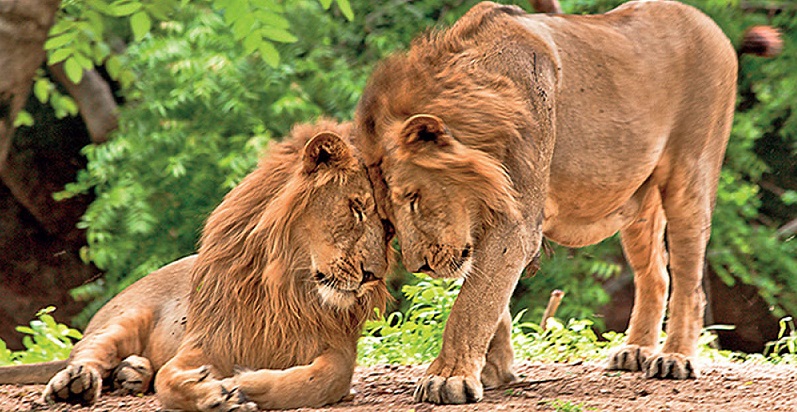
Seeing these prides thrive feels like witnessing history rewrite itself!
The Greater One-Horned Rhino: A True Asian Conservation Miracle
The greater one-horned rhino (or Indian rhino) was down to fewer than 200 individuals in the early 20th century, thanks to rampant poaching for its horn and massive habitat loss. By the 1960s, Kaziranga National Park in Assam had just a handful left.
Enter decades of relentless work: Armed patrols, habitat restoration, community involvement, and zero-tolerance anti-poaching policies. The result? A global population now over 4,000, with India and Nepal leading the charge. Kaziranga alone hosts around two-thirds of the world’s rhinos, and the latest figures show steady growth even in 2025. This is one of Asia’s greatest conservation success stories!
Feast your eyes on these prehistoric-looking giants in their natural habitat:


The Graceful Blackbuck: Speed and Survival in the Grasslands
Hunted relentlessly for sport and trophies, the blackbuck—India’s only native antelope with those stunning spiral horns—was pushed to the brink in many areas. Habitat loss made things worse.
Today, thanks to protected sanctuaries like Velavadar in Gujarat and community-driven efforts, populations have stabilized and are growing. These fast runners (reaching speeds up to 80 km/h!) are now a symbol of hope for grassland ecosystems.
Watch them in action—these images capture their incredible speed and beauty:

The Elusive Snow Leopard: Guardians of the High Himalayas
Known as the “ghost of the mountains,” the snow leopard faced threats from poaching, livestock conflicts, and climate change in the remote Himalayas.
Community-based programs in Ladakh, Himachal, and Uttarakhand—focusing on livestock insurance, alternative livelihoods, and awareness—have stabilized numbers. With around 714 snow leopards in India (as per recent estimates), this shy predator is holding strong.
Here’s a rare glimpse of this majestic cat in its snowy domain:

Bonus Revival: The Gharial’s Riverbank Comeback
Once down to fewer than 200 individuals in the 1970s due to fishing nets and habitat destruction, the gharial (that long-snouted crocodile) has rebounded to 2,000–2,500 thanks to captive breeding, river protection, and community efforts.
These basking beauties are now a common sight on Indian riverbanks again:

Why These Success Stories Give Us Hope
From lions roaring in Gir to rhinos charging through Kaziranga’s grasslands, these animals brought back from the brink of extinction prove that conservation works when governments, locals, NGOs, and everyday people come together. Challenges like poaching and climate change remain, but these victories show what’s possible.