
Seasonal Wildlife in Spring: What Animals Are Active Now and Why
Why Spring Sparks a Wildlife Awakening
Longer daylight hours and rising temperatures act like nature’s alarm clock. They trigger hormones that tell animals it’s time to eat, mate, and raise young. Plants start growing, insects emerge, and food becomes plentiful again after winter’s scarcity.
This “spring fever” is perfectly timed: warmer weather means more energy for breeding and migration, while fresh greenery supports babies and hungry adults. It’s evolution at its smartest everything lines up so the next generation has the best shot.
/https://tf-cmsv2-smithsonianmag-media.s3.amazonaws.com/filer/83/05/8305a316-996f-4b01-b07e-d62fa8b526a7/spring_bird-migration.jpg)
Birds: The Great Spring Migration and Nest-Building Frenzy
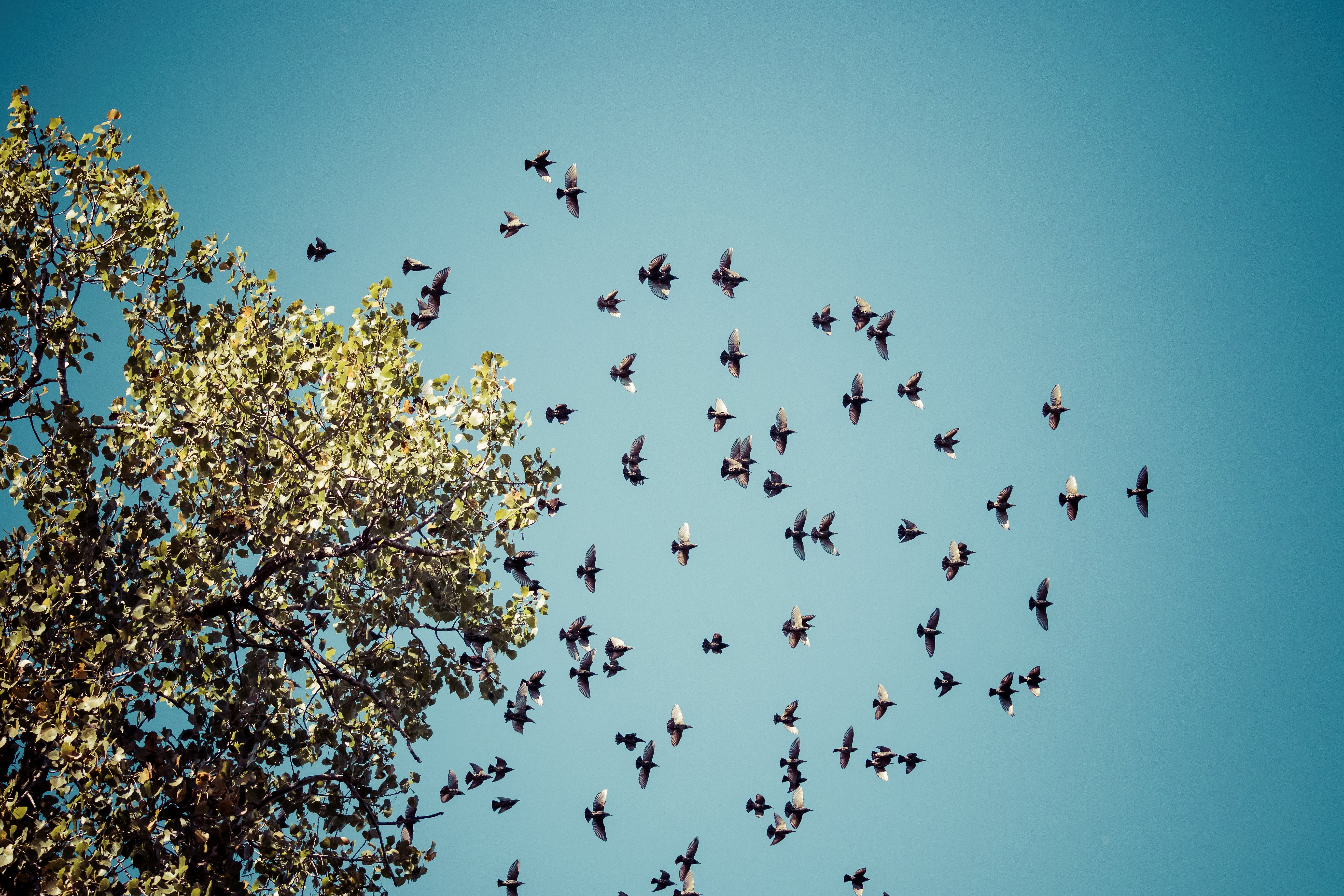
Birds are the stars of the season right now. Millions are returning from winter homes, filling the skies and trees with song. Males belt out territorial tunes to attract mates and claim the best nesting spots, while females scout for safe places to raise chicks.
You’ll spot robins hopping on lawns for worms, warblers flashing bright colors through the branches, and maybe even early hummingbirds zipping around. Their timing is incredible—many arrive just as insects hatch, giving them a ready feast for hungry nestlings.
Mammals Waking Up Hungry and Ready to Roam
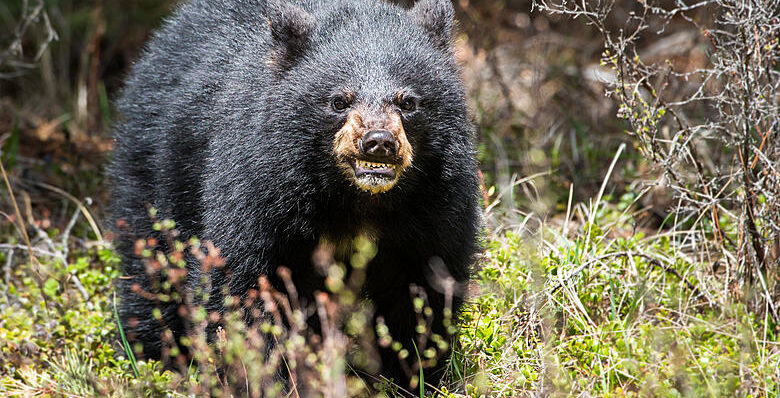
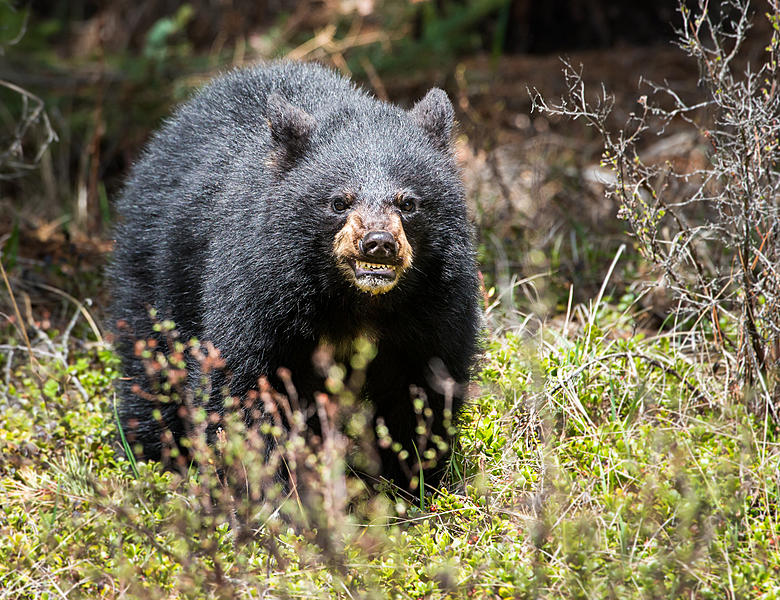
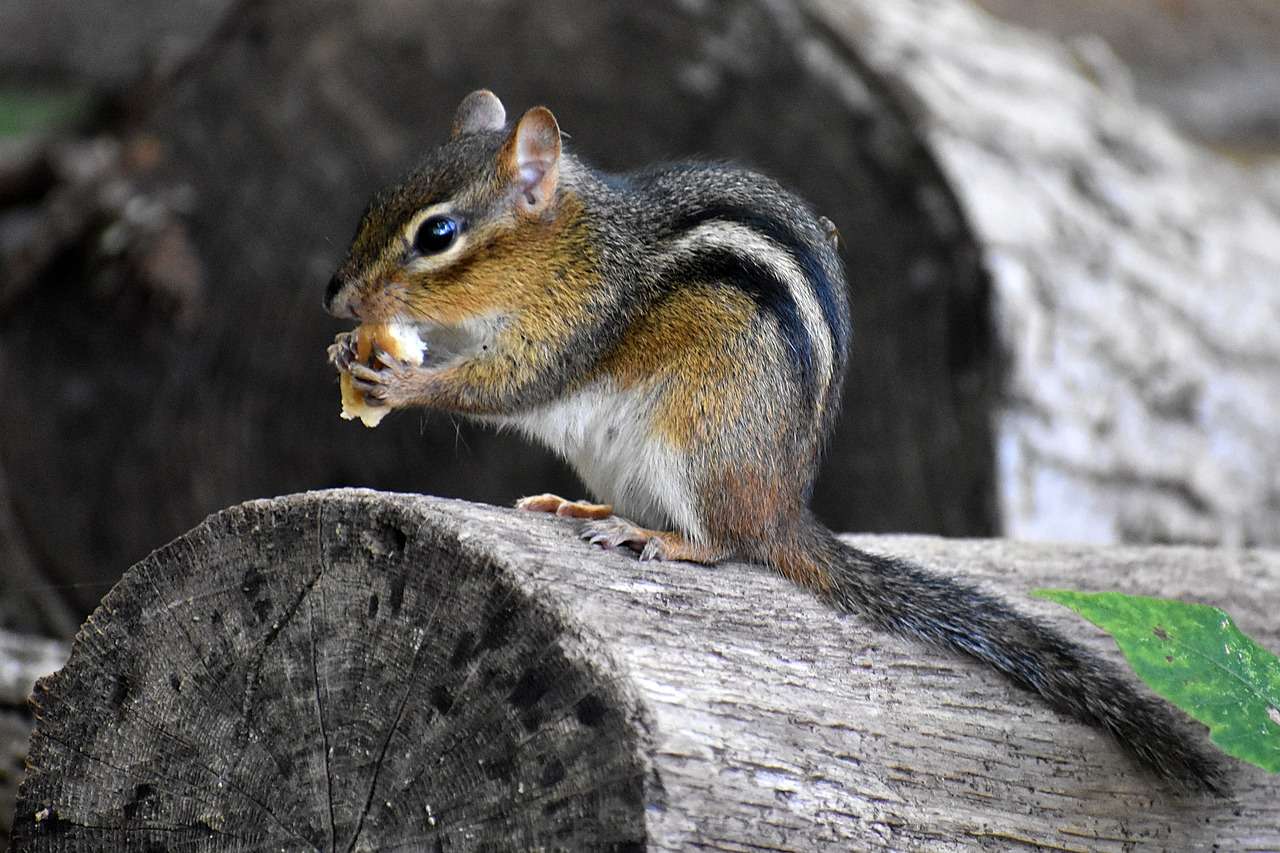
After months of hibernation or hunkering down, mammals are emerging wide-eyed and ravenous. Bears shuffle out of dens, sniffing for early greens and insects to rebuild strength. Chipmunks and squirrels dart around gathering seeds and nuts, while skunks and raccoons start searching for mates and safe spots for their kits.
One fun fact? Bears can lose up to a third of their body weight over winter, so those first spring meals are serious business. Their activity reminds us how tied wildlife is to the seasons—food first, then family.
Amphibians: The Noisy Spring Breeders
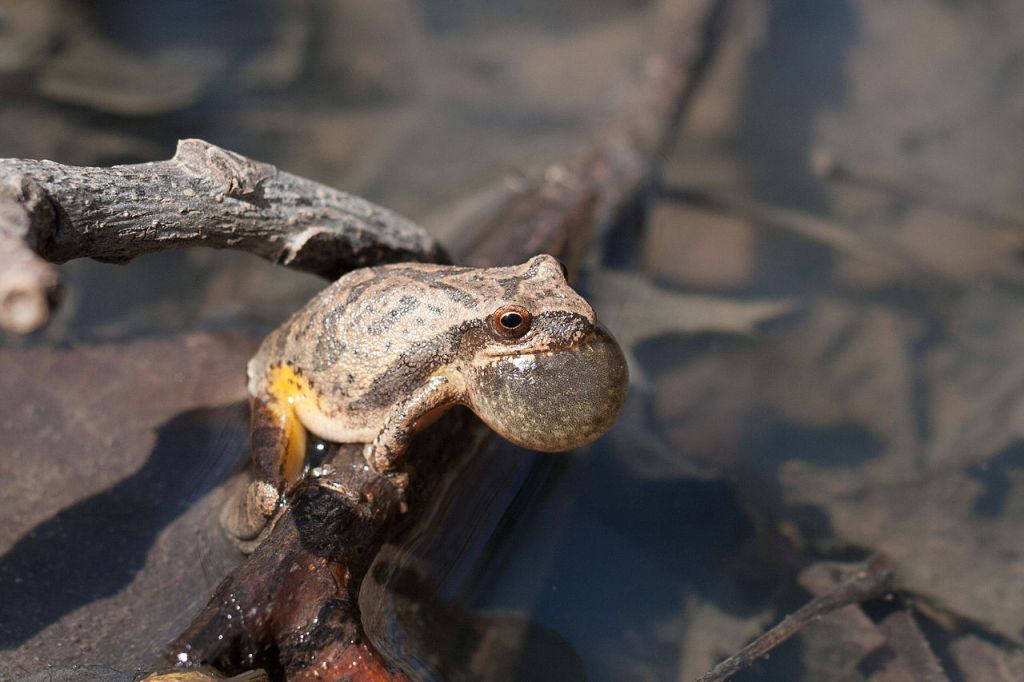
Head to any wetland or pond right now and you’ll hear the unmistakable chorus of frogs and toads. Spring peepers, wood frogs, and American toads are calling loudly to find mates their peeps and trills can carry for blocks!
Many amphibians migrate short distances to breeding pools as soon as ice melts. Wood frogs even freeze solid in winter and thaw out in spring, ready to hop straight into action. Their loud parties are one of the surest signs that warmer days are here.

Insects and Pollinators Buzzing Back to Work
Don’t overlook the tiny crew! Bees, butterflies, and beetles are waking up or returning as flowers bloom. Monarch butterflies glide in on warm winds, while native bees start visiting early blossoms. They’re not just pretty they’re essential, pollinating plants that feed everything else in the food chain.
How to Spot Seasonal Wildlife Right Now (Safely)
Want to join the show?
- Go out at dawn or dusk when animals are most active.
- Use binoculars or a quiet camera zoom so you don’t disturb them.
- Look (and listen!) near water, edges of woods, or open fields.
- Keep pets leashed and give wildlife plenty of space.
A simple walk with eyes open can turn an ordinary day into a wildlife adventure.
Spring’s Busy Season Is a Reminder We’re All Connected
Seasonal wildlife right now shows us nature’s perfect rhythm: longer days bring food, warmth sparks new life, and every creature plays its part. It’s a gentle nudge to slow down, look around, and appreciate the wild neighbors sharing our world.