

People Who Survived Against Impossible Odds: 5 Jaw Dropping True Stories of Resilience
Imagine plummeting 10,000 feet from a shattered plane, crashing through the canopy of the Amazon rainforest, only to wake up strapped to a row of seats in a sea of wreckage. No food, no map, just the buzz of insects and the distant roar of rivers. That’s not a movie plot it’s the nightmare 17-year-old Juliane Koepcke lived through in 1971, and she walked out after 11 harrowing days. Stories like hers aren’t just wild tales; they’re reminders that people who survived against impossible odds tap into something primal, something unbreakable. As a history buff who’s devoured survival memoirs (and binge-watched every “I Survived” episode), I’m obsessed with these underdog epics—they’re equal parts terrifying and triumphant. Drawing from verified accounts and expert insights, we’ll dive into five such survivors, unpacking their grit and the lessons that linger. Buckle up; these might just rewire your “can’t” to “watch me.”
Juliane Koepcke: The Teen Who Fell from the Sky and Walked Out of the Jungle
Christmas Eve, 1971: Juliane boards LANSA Flight 508 with her mom, bound for Pucallpa, Peru. Lightning rips the plane apart mid-air; she’s the sole survivor of 92, tumbling two miles into the wild Peruvian Amazon. Bloodied, with a broken collarbone and gashes, she unbuckles and follows a stream—her entomologist dad’s advice echoing: “Head for running water.” For 11 days, she battles maggot-infested wounds, hallucinates from hunger, and dodges piranhas, only to stumble into loggers who save her.
Today, at 71, Juliane’s a biologist in Germany, founding a research station in her crash site’s memory. Her odds? One in a million—literally, as the only known mid-flight survivor without a parachute. It’s a stark stat: Plane crashes claim 1,000+ lives yearly worldwide, yet her story screams resilience.
Aron Ralston: The Climber Who Amputated His Own Arm to Live
Utah’s Blue John Canyon, 2003: 27-year-old adventure junkie Aron Ralston slips, pinning his right arm under an 800-pound boulder for five days. No phone, no water just a half liter and dwindling protein bars. Dehydrated, delirious, he films goodbyes to his family, even sees his own corpse.
On day five, a hallucinated vision of his future kid snaps him: He breaks his arm bones with torque, then carves through tendons with a dull multi-tool. Blood loss nearly kills him, but he rappels 65 feet one-handed to rescuers. Post-op, Aron’s an author, speaker, and dad his left arm tattooed with a clock at 5:32 PM, the exact escape moment. Fun fact: His tale inspired 127 Hours, but the real grit? He says it was “choosing life in the dark.”

Hugh Glass: The Frontiersman Left for Dead After a Bear Maul
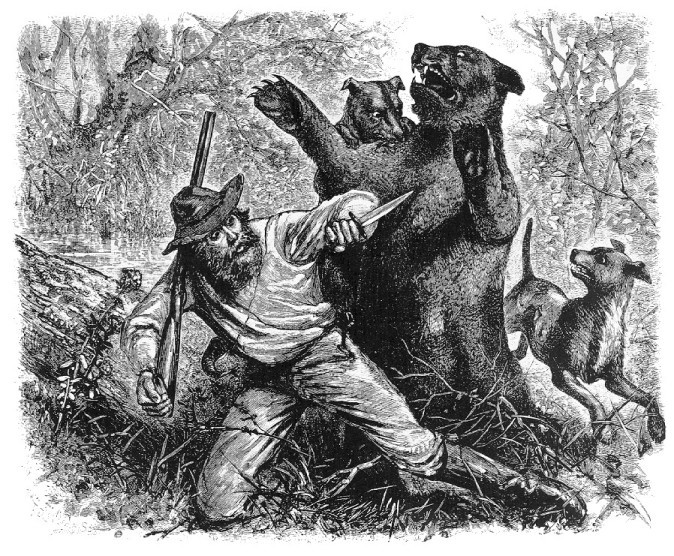
1823, Missouri River wilderness: Fur trapper Hugh Glass, scouting for his crew, locks eyes with a grizzly sow protecting cubs. She charges, mauling him—gashing his scalp, ripping his throat, shattering his leg. His companions flee, leaving him for dead with a hasty grave. But Glass clings: He sets his leg with a branch, smears maggoty buffalo hide on wounds to fight infection, and crawls 200 miles over six weeks—fending off wolves, Native scouts, and starvation on berries and roots.
He reaches Fort Kiowa alive, vowing no revenge on his deserters. Immortalized in The Revenant, Glass’s saga (debated but rooted in journals) highlights early American survival rates: Only 1 in 10 frontiersmen outlasted a year. His? Pure, unyielding will.
Harrison Okene: The Cook Who Lived Three Days Underwater
Off Nigeria’s coast, 2013: Harrison Okene, 29, is brewing eggs in the galley when his tugboat Jascon-4 flips in a storm, sinking 100 feet. Eleven crew drown; he swims into a tiny air pocket in the captain’s cabin—10 square feet of stale oxygen, rising water, and sharks circling outside.
For 60+ hours, he prays, rations sips of Coke, and stacks cushions against the chill. Divers find him by chance; he’s airlifted, lungs scarred but alive. Post-rescue, Harrison quit the sea for a land job, but his story’s a diver’s dream: Underwater survival odds? Near zero, per ocean experts. Yet here he is, breathing free.

Anna Bågenholm: The Skier Who Froze Solid and Thawed Back to Life
Norway, 2000: Radiologist Anna Bågenholm, 29, skis into a frozen river under ice—trapped in a 400-foot airless torrent for 80 minutes. Water at 35°F stops her heart; her body temp plummets to a record-low 56.1°F (13.7°C). Rescuers drill through 20 inches of ice; she’s pulseless for hours in the ER.
Miraculously, induced hypothermia (ironically her specialty) saves her—slowing metabolism preserved her brain. She walks out after weeks, back to work. Medical miracle? Absolutely; survival below 70°F is 50% fatal, per hypothermia stats. Anna’s now an advocate, proving the body can defy death’s chill.
What These Survivors Teach Us: Grit in the Face of the Impossible
These people who survived against impossible odds aren’t superheroes—they’re us, amplified. Juliane’s calm recall, Aron’s brutal choice, Hugh’s crawl, Harrison’s prayers, Anna’s thaw: Common threads? Mental steel, tiny decisions, and refusing “the end.” Research from the University of Pennsylvania’s Positive Psychology Center shows resilience like theirs boosts post-trauma growth in 70% of cases—turning scars into superpowers.
Relatable nudge: We’ve all faced mini-canyons a job loss, health scare. What if we borrowed their “one more step”?
The Unbreakable Thread: Your Turn to Defy the Odds
Stories of people who survived against impossible odds aren’t just history they’re hype for your hustle. They whisper: The wildest chapters start when hope’s on empty. In a world stacked with “no ways,” these five flipped the script, proving odds bend to will.