

Mindfulness for Beginners: What It Is and What It Isn’t (Plus Easy Ways to Start)
What Mindfulness Actually Is
At its core, mindfulness is the practice of paying attention, on purpose, to the present moment without judgment. This definition comes from Jon Kabat-Zinn, who popularized secular mindfulness through programs like Mindfulness Based Stress Reduction (MBSR).
It means noticing your thoughts, feelings, bodily sensations, and surroundings right now, with curiosity and kindness instead of criticism. You’re not trying to change anything or achieve some perfect calm state. You’re just observing what’s happening.
Think of it like gently training your attention. Our minds naturally wander (research shows we spend nearly half our waking hours thinking about something other than what we’re doing). Mindfulness helps bring us back to the here and now.

21 Meditation Tips You Need to Know As a Beginner, Always Well Within
What Mindfulness Is Not
A lot of myths get in the way of people even trying mindfulness. Here’s the truth:
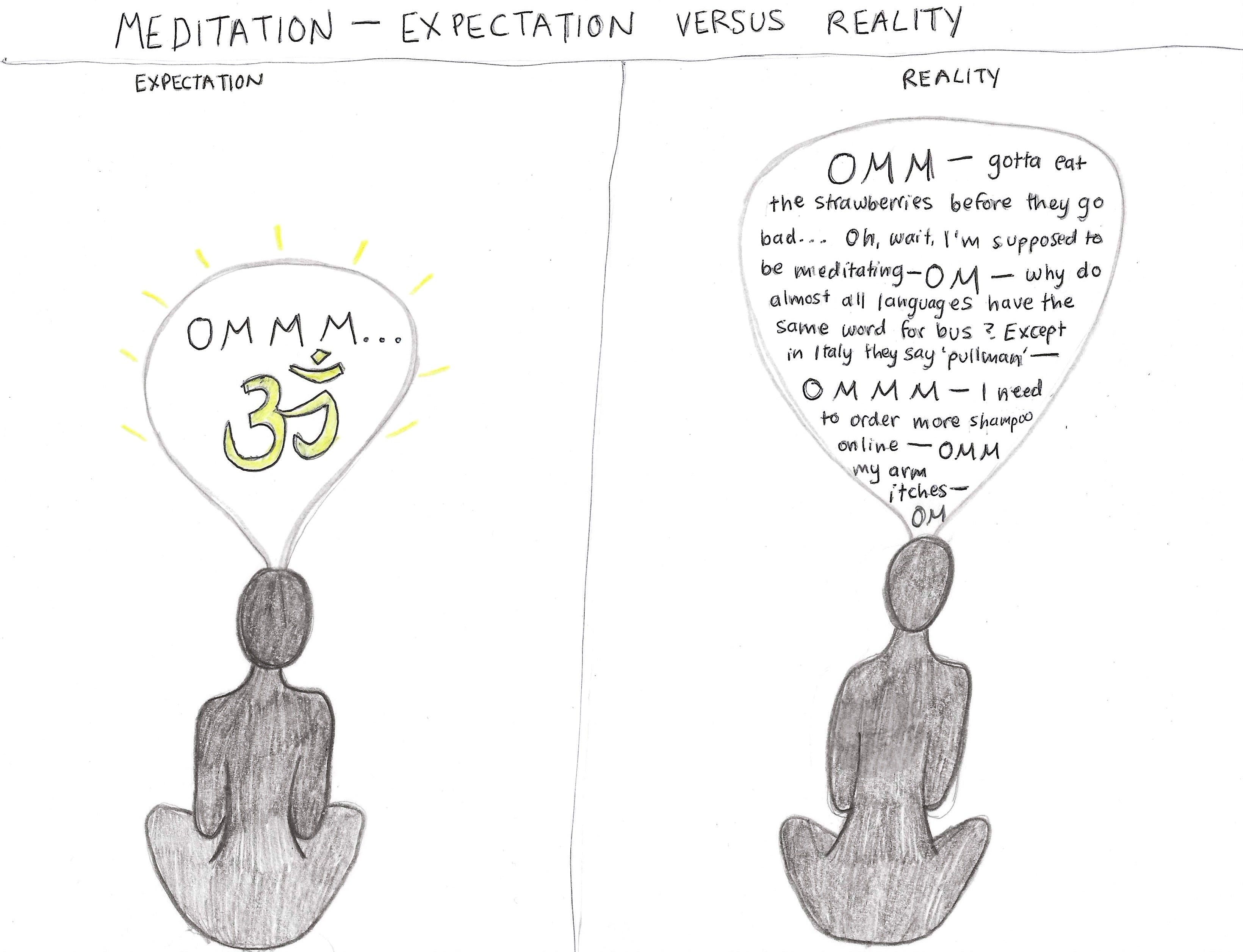
- It’s not about emptying your mind or stopping thoughts. Your brain will keep producing thoughts, that’s its job. Mindfulness is about noticing them without getting swept away, like watching clouds pass in the sky.
- It’s not just sitting in meditation. While formal meditation is one way to practice, mindfulness can happen anytime: while eating, walking, washing dishes, or talking to a friend.
- It’s not relaxation or a quick fix for bliss. Sometimes practicing mindfulness brings up uncomfortable feelings. The goal isn’t to feel zen all the time it’s to build awareness and resilience.
- It’s not religious or “woo-woo.” Although it has roots in ancient contemplative traditions, modern mindfulness is secular and evidence-based. You can practice it regardless of your beliefs.
- It’s not passive or weak. Far from making you complacent, it often increases clarity, energy, and the ability to take meaningful action.
In Your Right Mind – by Zanny Merullo and Roland Merullo
Real Benefits Backed by Research
You don’t have to take my word for it science has been catching up. Studies show mindfulness-based approaches can:
- Reduce symptoms of anxiety and depression, sometimes as effectively as other therapies.
- Lower stress and even help with chronic pain or high blood pressure.
- Improve attention, working memory, and emotional regulation.
- Boost overall wellbeing, with even short daily sessions (like 10 minutes) showing positive effects on mood and healthier habits.
These aren’t miracle cures, but consistent practice often leads to noticeable shifts in how you handle daily challenges.
Simple Ways to Practice Mindfulness for Beginners
The beauty of mindfulness is that you can start small no special equipment or hours of free time needed. Here are beginner-friendly ways to dip your toes in:
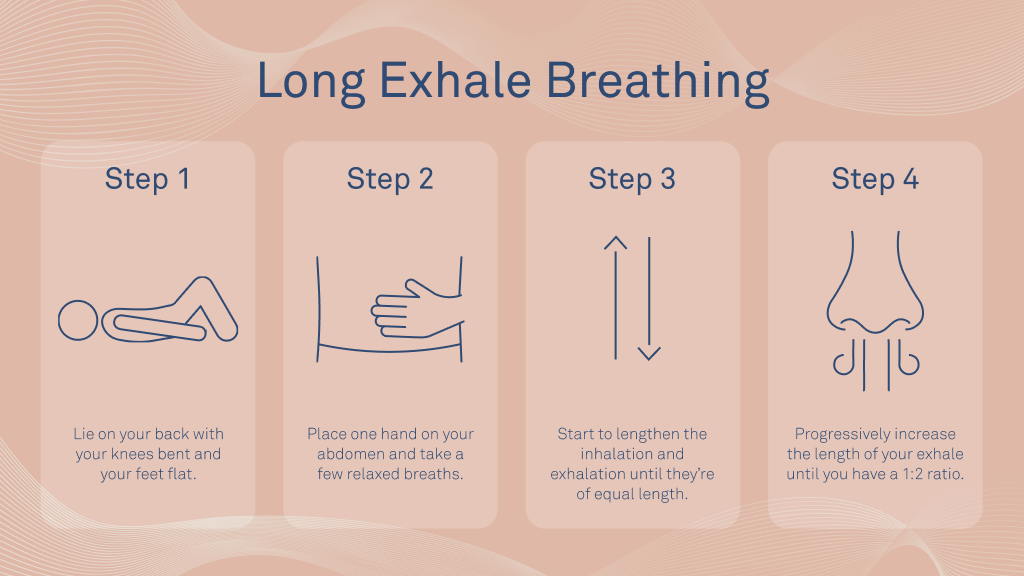
1. Mindful Breathing (2–5 minutes)
- Sit or lie comfortably.
- Notice the sensation of your breath entering and leaving your body.
- When your mind wanders (and it will!), gently bring it back to the breath. No self-criticism just return.
2. Body Scan
- Lie down or sit. Slowly bring attention from your toes up to the top of your head, noticing any sensations, tightness, warmth, tingling, without trying to change them.
3. Mindful Eating (Try it with your next snack)
- Slow down. Notice the colors, textures, smells, and tastes. Chew slowly and pay attention to how the food feels in your mouth.
4. Mindful Walking
- As you walk, feel your feet touching the ground, notice the rhythm of your steps, and observe sounds or sights around you.
5. Five Senses Check-In
- Quickly name: 5 things you see, 4 you can touch, 3 you hear, 2 you smell, 1 you taste. This pulls you instantly into the present.
10 Simple Breathing Exercises for Sleep and Relaxation
Start with just a few minutes a day. Consistency beats perfection every time.
Getting Started Without Overwhelm
If your first attempts feel awkward, that’s normal. Many beginners notice their mind wandering constantly and think they’re “doing it wrong.” You’re not. The practice is in noticing and returning that’s where the training happens.
Be patient and kind to yourself. Some days will feel easier than others. Over time, you’ll likely catch yourself being more present in conversations, less reactive to small stressors, and better at enjoying ordinary moments.
Mindfulness isn’t about becoming a different person. It’s about getting to know the one you already are with more compassion and clarity.