Literary Genres Explained for Beginners: Your Fun Guide to Book Categories and Subgenres
Literary genres are basically buckets that group books by style, theme, and structure. They’re like Netflix categories for stories – helping you find what you love without guessing. There are four main literary genres: fiction, nonfiction, poetry, and drama. Each has subgenres that add flavor, and many books mix them up for extra fun. Let’s break them down simply, with examples that’ll make you want to grab a book right now.
Fiction: Made-Up Stories That Feel Real
Fiction is the big one – stories created from imagination, but often inspired by real life. It’s all about “what if?” scenarios that let you escape, empathize, or explore wild ideas.
Fiction makes up about 60% of book sales worldwide, according to recent publishing data – no wonder, since it covers everything from heart-pounding adventures to quiet character studies.
Key Subgenres in Fiction
- Fantasy: Magic, mythical creatures, epic quests. Think wizards and dragons in other worlds. Example: Harry Potter by J.K. Rowling – a boy discovers he’s a wizard and fights evil. Perfect if you love escapism.
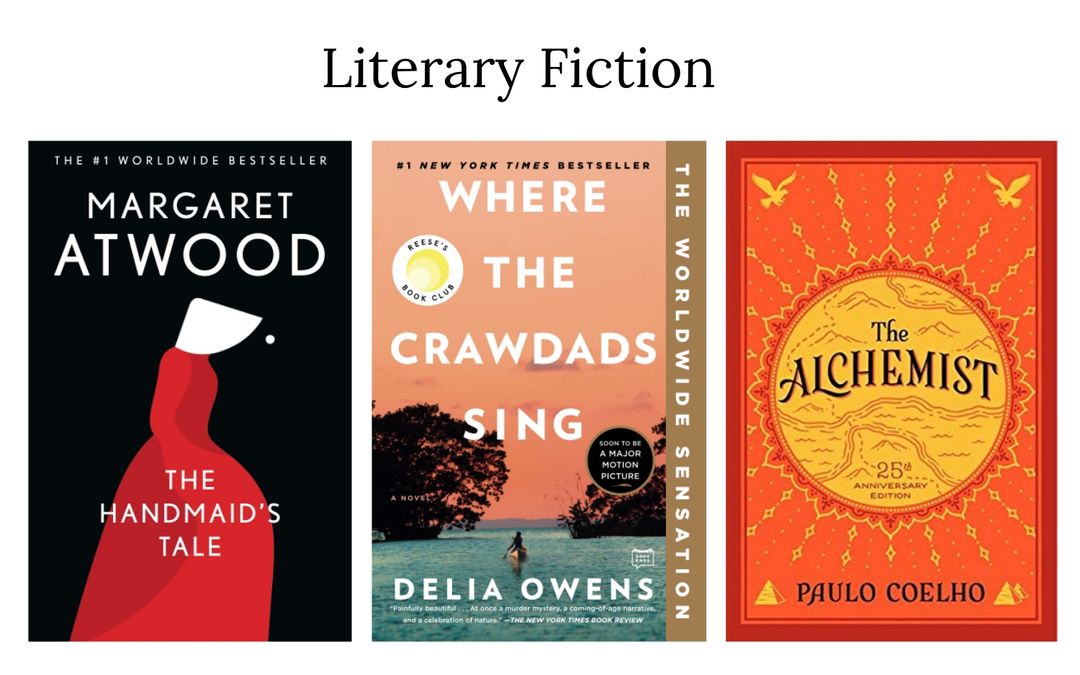
- Science Fiction (Sci-Fi): Future tech, space, aliens, dystopias. Explores “what if” with science. Example: Dune by Frank Herbert – a desert planet, politics, and giant worms. Great for big ideas about humanity.
- Romance: Love stories with happy endings (usually). Focuses on relationships. Example: Pride and Prejudice by Jane Austen – witty Elizabeth meets proud Mr. Darcy. Ideal for feel-good vibes.
- Mystery/Thriller: Puzzles, suspense, whodunits. Keeps you guessing. Example: The Da Vinci Code by Dan Brown – codes, chases, secrets. If you love twists, this is your jam.
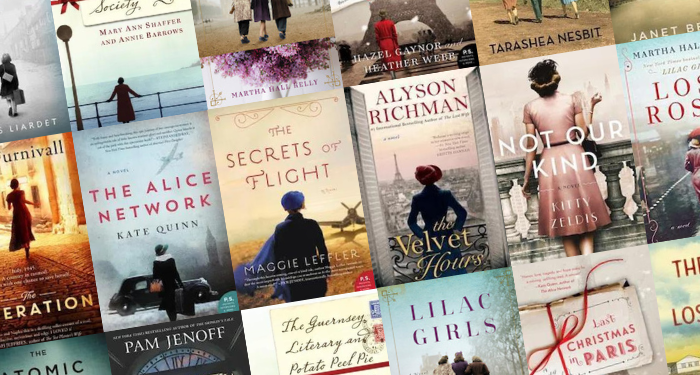
- Historical Fiction: Real history with made-up characters. Brings the past alive. Example: The Nightingale by Kristin Hannah – sisters in WWII France. For history buffs who want stories.
Fiction lets you live other lives – what’s not to love?
Nonfiction: Real Stories and Facts That Inspire
Nonfiction is based on truth – no made-up stuff. It’s like a wise friend sharing knowledge or experiences.
This genre is booming, with sales up 20% in recent years as people seek self-improvement and real-world insights.
Popular Subgenres in Nonfiction
- Biography/Autobiography: Life stories. Example: Becoming by Michelle Obama – her journey from Chicago to the White House. Relatable and motivating.
- Self-Help/Personal Development: Advice for better living. Example: Atomic Habits by James Clear – small changes for big results. If you’re into growth, start here.
- History: Past events explained. Example: Sapiens by Yuval Noah Harari – human history in a nutshell. Thought-provoking for curious minds.
- True Crime: Real mysteries and crimes. Example: I’ll Be Gone in the Dark by Michelle McNamara – hunting a serial killer. Gripping if you like thrillers but want facts.
Nonfiction shows truth can be stranger (and more useful) than fiction.
Poetry: Words That Sing and Stir Emotions
Poetry uses rhythm, rhyme, and imagery to express feelings or ideas – like song lyrics without music.
It’s one of the oldest genres, with roots in ancient epics, but modern poetry is short, punchy, and super shareable on social media.
Types of Poetry for Beginners
- Lyric Poetry: Personal emotions, like love or loss. Example: “The Road Not Taken” by Robert Frost – choices in life. Short and reflective.
- Narrative Poetry: Tells a story. Example: “The Raven” by Edgar Allan Poe – a man haunted by a bird. Spooky and rhythmic.
- Epic Poetry: Long hero tales. Example: The Odyssey by Homer – Odysseus’ adventures home. If you like myths, dive in.
Poetry packs a punch in few words – perfect for quick reads that linger.
Drama: Stories Meant to Be Performed
Drama is written for the stage or screen – plays, scripts, with dialogue and action.
It’s interactive, meant to be seen, but reading them feels like eavesdropping on life.
Drama Basics
- Tragedy: Sad endings, like Romeo and Juliet by Shakespeare – doomed love. Makes you think about fate.
- Comedy: Funny, happy endings. Example: The Importance of Being Earnest by Oscar Wilde – mix-ups and wit. Light-hearted fun.
- Modern Drama: Everyday issues. Example: Death of a Salesman by Arthur Miller – American Dream gone wrong. Relatable and deep.
Drama shows human emotions up close – try seeing one live for the full effect.
Why Understanding Literary Genres Matters (And How to Mix Them Up)
Knowing these genres helps you find books that match your mood – cozy mystery for suspense, self-help for motivation. But the best part? Many books blend genres, like sci-fi romance or historical nonfiction. It’s not rigid; it’s a starting point.
Think about it: What if your next read combines your favorites? A fantasy biography? The possibilities are endless.