
Latest Space Missions and What They Mean for Humanity: Bold Steps Toward the Stars
From crewed trips around the Moon to hunts for water ice and asteroid defense drills, the action happening today is laying the groundwork for sustainable exploration. Let’s dive into the most exciting ones and explore why they matter for all of us.
Artemis II: Humans Returning to the Moon After 50+ Years
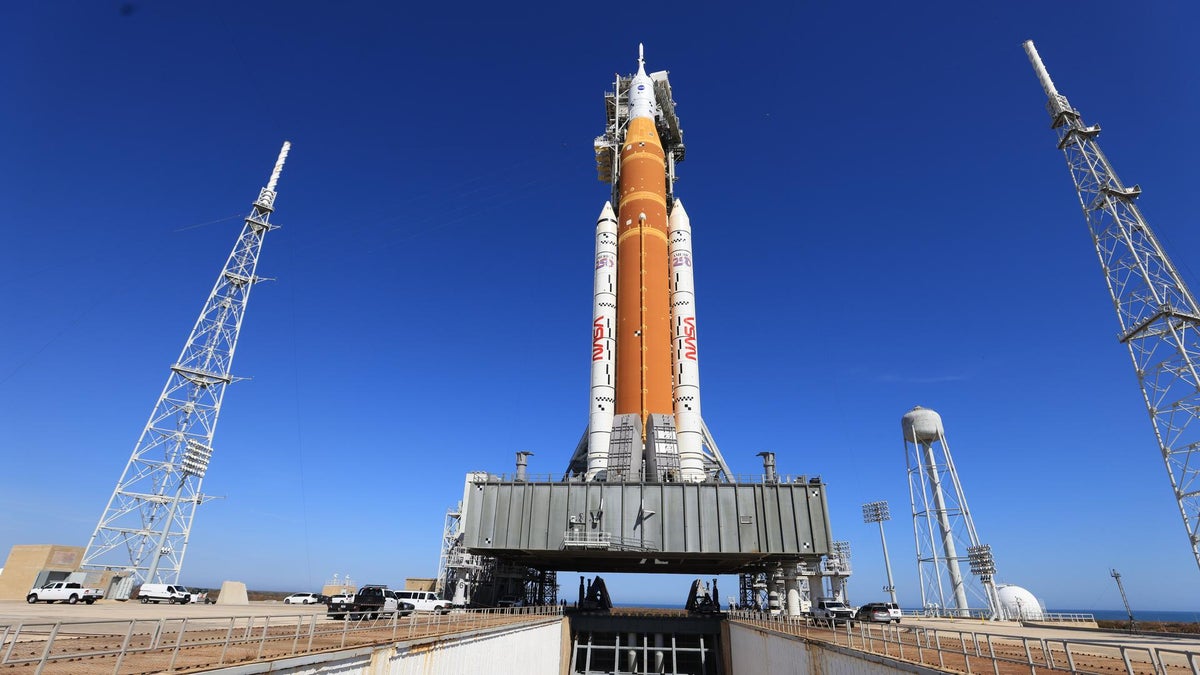
NASA’s Artemis II stands out as the headline-grabber. Four astronauts Reid Wiseman, Victor Glover, Christina Koch from NASA, and Jeremy Hansen from Canada are preparing for a roughly 10-day journey around the Moon aboard the Orion spacecraft atop the powerful Space Launch System rocket.
This isn’t a landing (yet), but a critical test flight beyond low Earth orbit the first since Apollo 17 in 1972. They’ll push the spacecraft’s life support, navigation, and heat shield to the limits, gathering data for future crewed landings.
What hits home for me? This diverse crew symbolizes global teamwork in space. It’s not just flags on the Moon anymore it’s about building a lasting presence that could one day fuel trips to Mars. Every successful step here brings us closer to calling another world home.


Lunar Exploration Heats Up: Griffin, Chang’e 7, and Commercial Landers
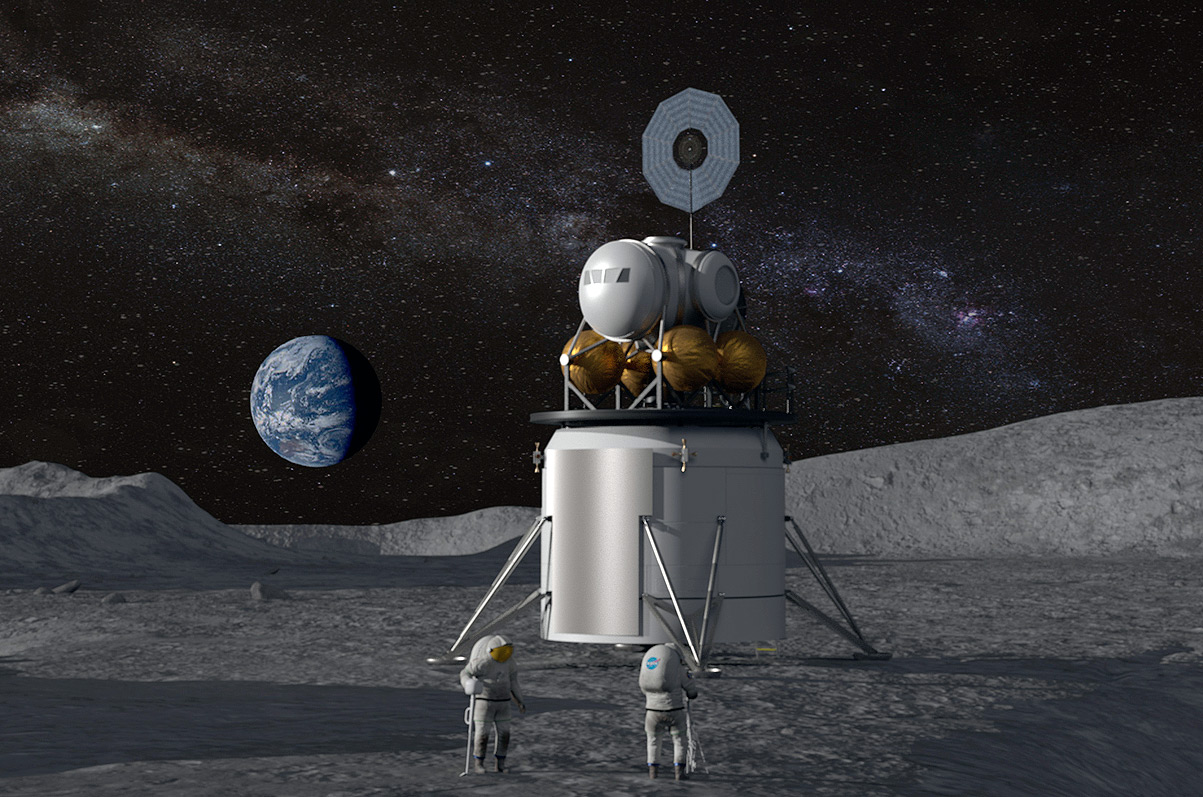
The Moon is suddenly buzzing with activity. Astrobotic’s Griffin Mission One, targeted for July, will deliver a rover to the south pole marking America’s first robotic lunar rover in decades. Blue Origin’s Blue Moon demo and Intuitive Machines’ follow-ups are also in the mix.
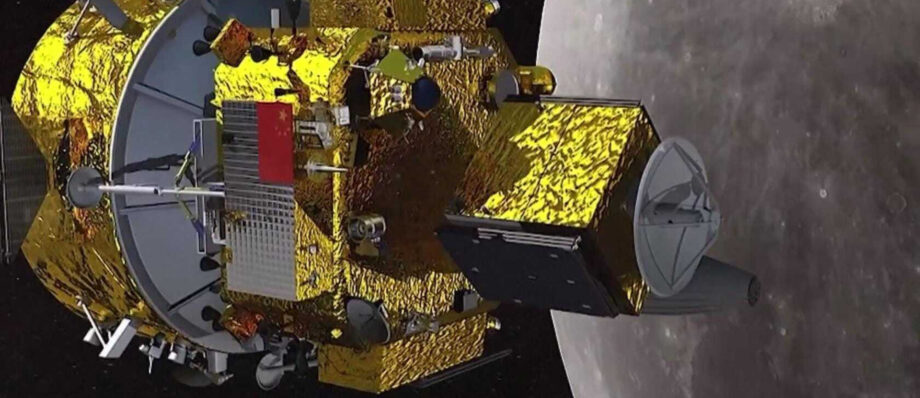
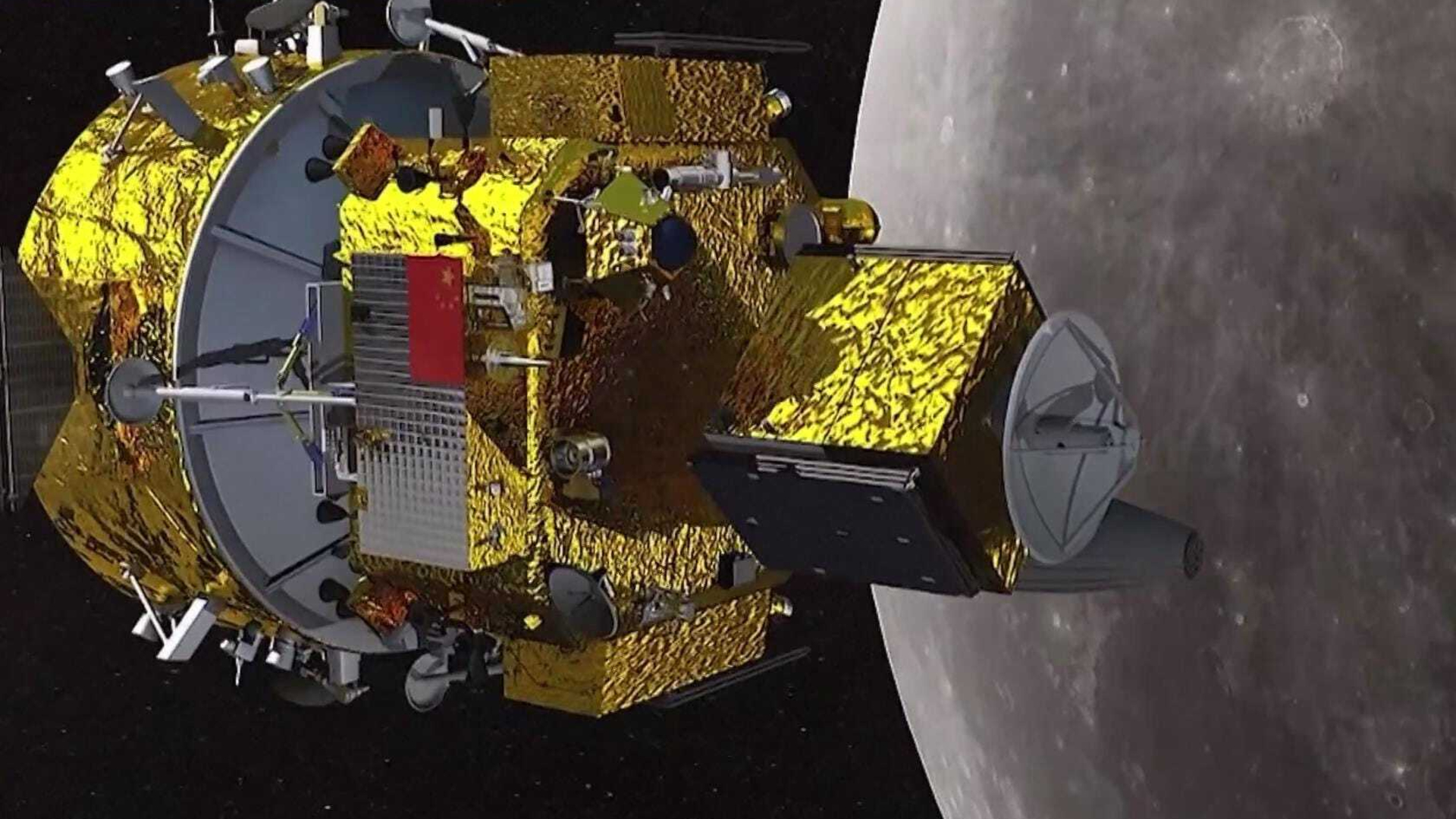
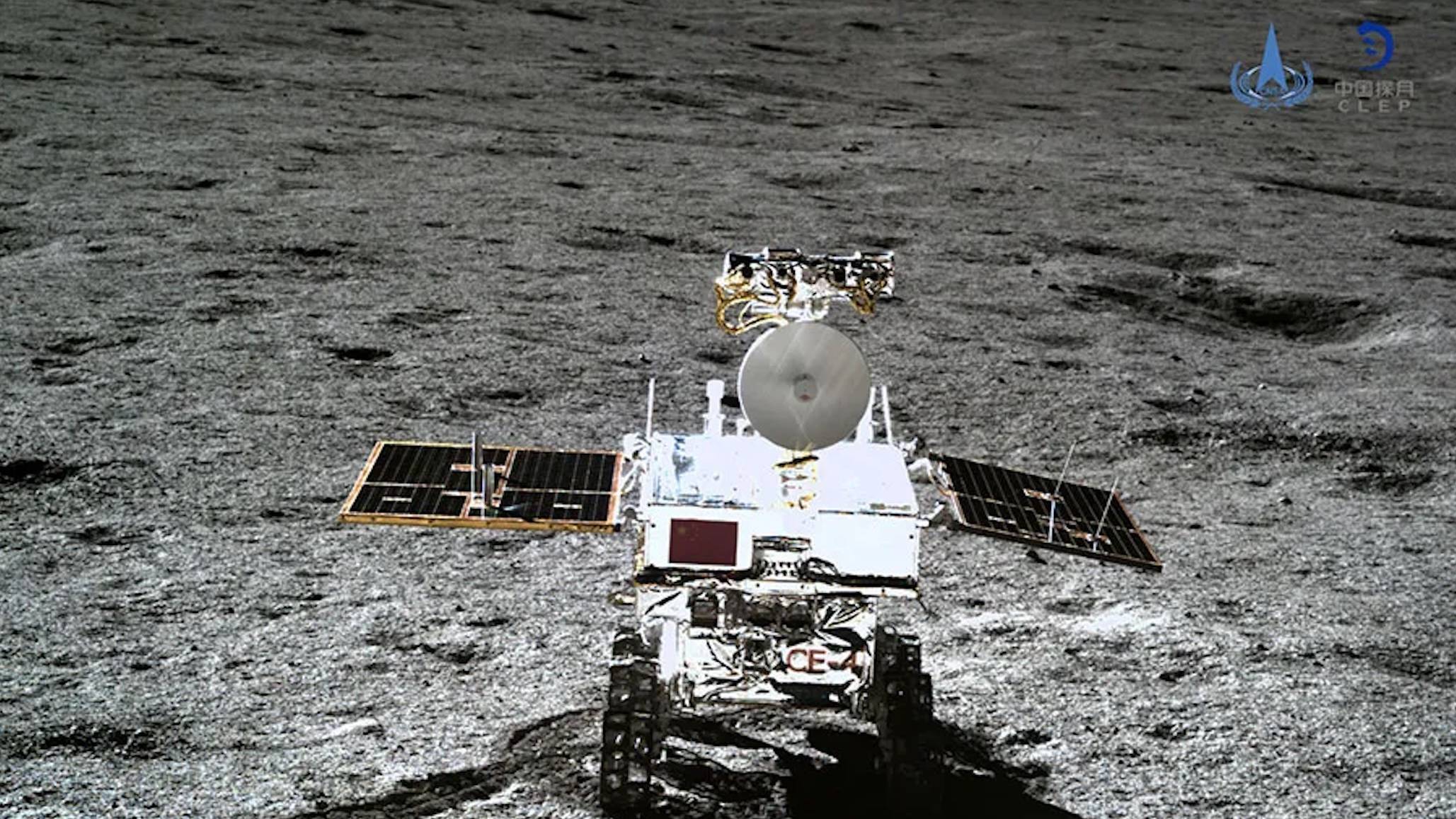
Meanwhile, China’s Chang’e 7 (mid-year) aims straight for the south pole with an orbiter, lander, rover, and a hopping robot to peek inside shadowed craters. Why there? Scientists suspect billions of tons of water ice perfect for drinking water, oxygen, or even rocket fuel.
These missions aren’t flashy headlines only. They’re scouting resources that could let us stay longer, build bases, and one day refuel spacecraft without hauling everything from Earth. Imagine a future where the Moon becomes a stepping stone instead of a quick visit.
Beyond the Moon: MMX to Mars Moons and BepiColombo at Mercury
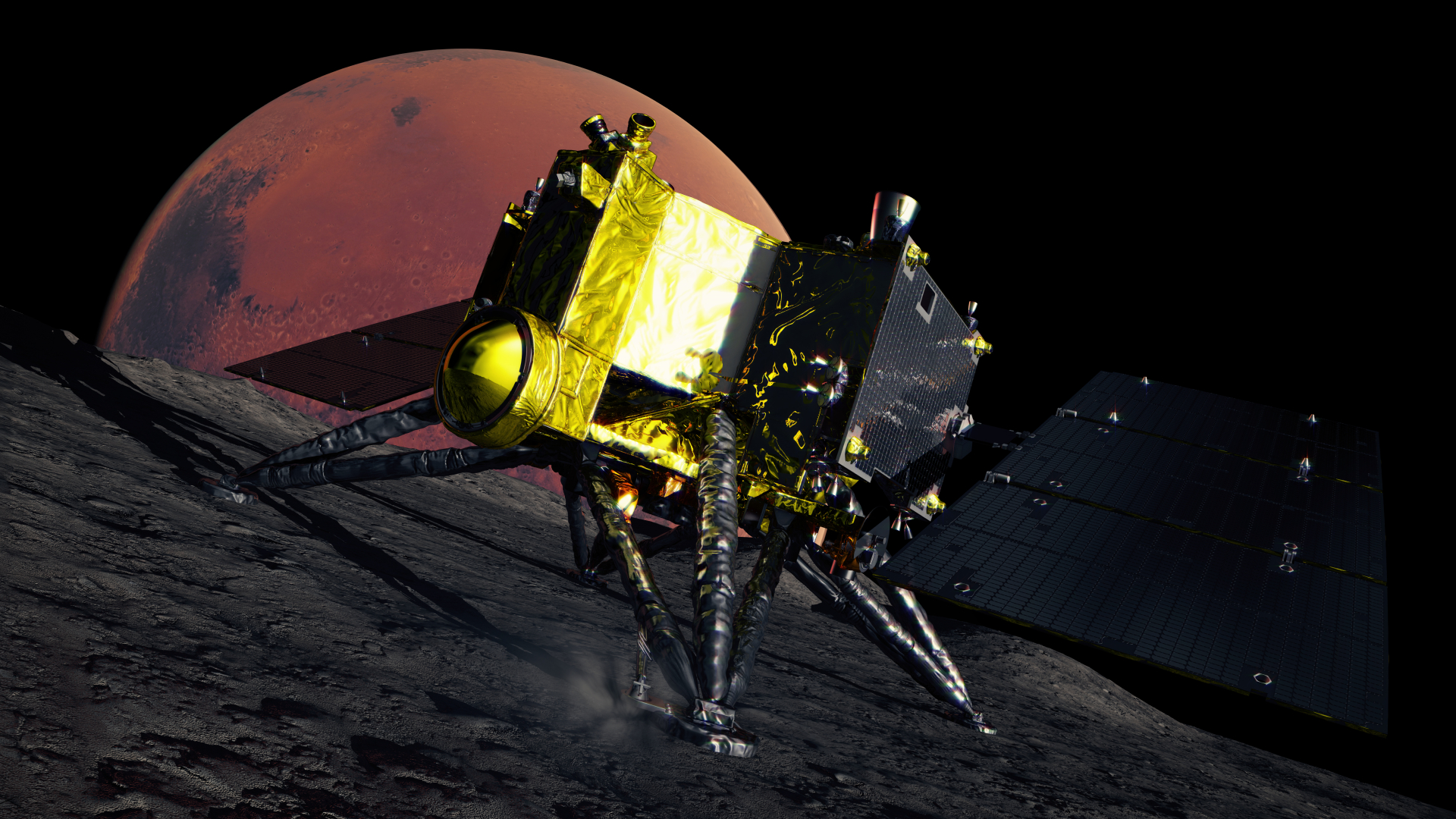
Not everything stays lunar. Japan’s Martian Moons eXploration (MMX) mission, launching later this year, will orbit Mars, study its potato-shaped moons Phobos and Deimos, and scoop samples from Phobos to return to Earth around 2031.
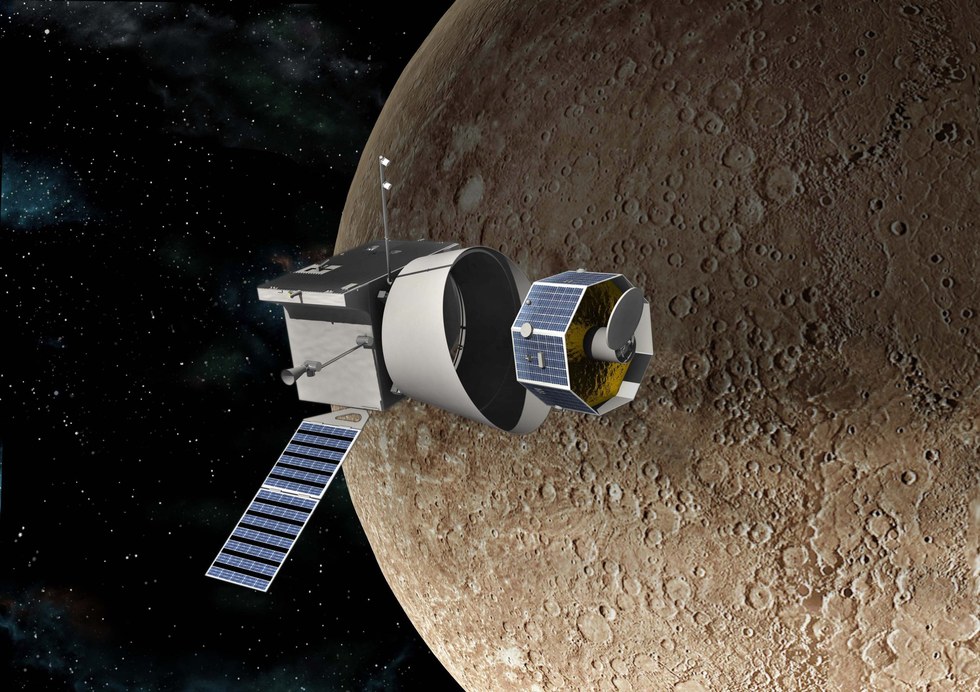
Closer in, the joint ESA/JAXA BepiColombo spacecraft is finally settling into orbit around Mercury after years of flybys. It’ll map the planet’s surface and magnetic field, answering questions about how rocky worlds form.
These trips remind us space isn’t just one destination. Each new world teaches us about our own planet’s history and maybe even clues to life elsewhere. Sample returns like MMX’s could rewrite textbooks overnight.
Planetary Defense and New Worlds: Hera and Future Telescopes
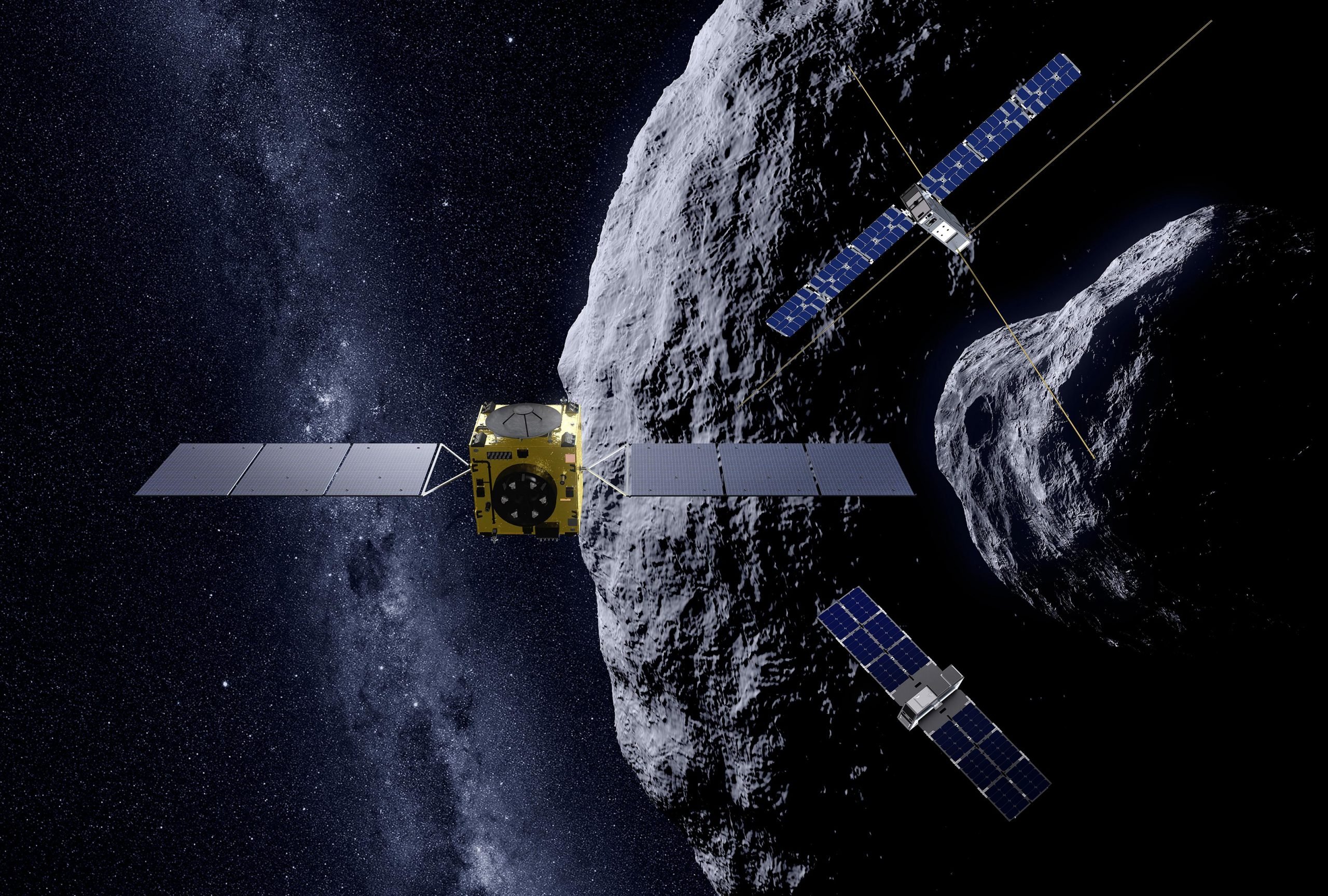
Safety first—ESA’s Hera mission arrives at the Didymos asteroid system later this year to study the aftermath of NASA’s 2022 DART impact. Two tiny cubesats will get up close, measuring how we might one day nudge dangerous asteroids away from Earth.
On the discovery front, Europe’s PLATO telescope (launching late this year) will hunt for Earth-like planets around Sun-like stars, scanning hundreds of thousands of them for signs of habitability.
These efforts protect our home while expanding our cosmic neighborhood. One successful deflection test or one rocky exoplanet could spark the next big “we’re not alone” moment.

Why These Latest Space Missions Matter for All of Humanity
Here’s the real magic: these missions aren’t just for scientists in white coats. They drive everyday breakthroughs better solar panels, medical tech from zero-gravity research, even apps we use on our phones.
They pull countries together (think NASA, ESA, JAXA, China, India all contributing). They inspire kids to dream big about STEM. And they force us to confront big questions: Are we ready to become a multiplanetary species? What if we find evidence of ancient life on Mars or the Moon?
In a world full of earthly challenges, these efforts remind us of our shared curiosity and resilience. They give us hope that the best of humanity innovation, cooperation, wonder can reach the stars.
The Next Chapter Is Ours to Write
The latest space missions prove we’re living in an incredible era of exploration. Whether it’s circling the Moon, hunting lunar ice, or prepping for Mars, every launch moves humanity one step closer to a future where space feels like an extension of home.