Is Hollywood Finally Diverse? The Truth About Progress in Film Representation (and Where It’s Falling Short)
As someone who’s followed the industry for years, I’ve watched the hope sparked by movements like #OscarsSoWhite and #MeToo. We’ve seen incredible stories from diverse voices reach global audiences. But recent reports show the change isn’t as deep or consistent as it should be. Let’s dive into the latest insights and see where film diversity is truly heading.

On-Screen Wins: More Diverse Leads, But Gaps Remain
One of the brightest spots? Female representation in leading roles. In the top-grossing films of 2024, more than half featured girls and women as leads or co-leads—a huge leap from just 20 films back in 2007.
That’s real progress. Audiences are finally seeing women drive the story more often, from action heroes to complex protagonists. Underrepresented racial/ethnic groups have also gained ground in some areas, with Asian characters rising in visibility over the years (though they dipped slightly in 2024).
But look closer at speaking characters overall: women still hover around 33-34%, far from parity. Underrepresented racial/ethnic groups make up about 36% of speaking roles better than before, but still below U.S. population demographics. LGBTQ+ characters remain under 1%, and characters with disabilities sit at just 2.4% in speaking roles.
It’s uneven. Some films nail inclusive storytelling, but many still default to familiar patterns.
Behind the Camera: The Real Roadblock
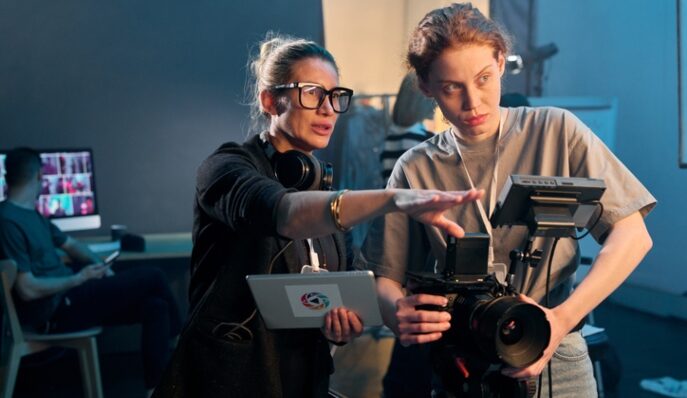
Here’s where things get frustrating. While on-screen diversity has moved forward, the people shaping the stories haven’t kept pace.
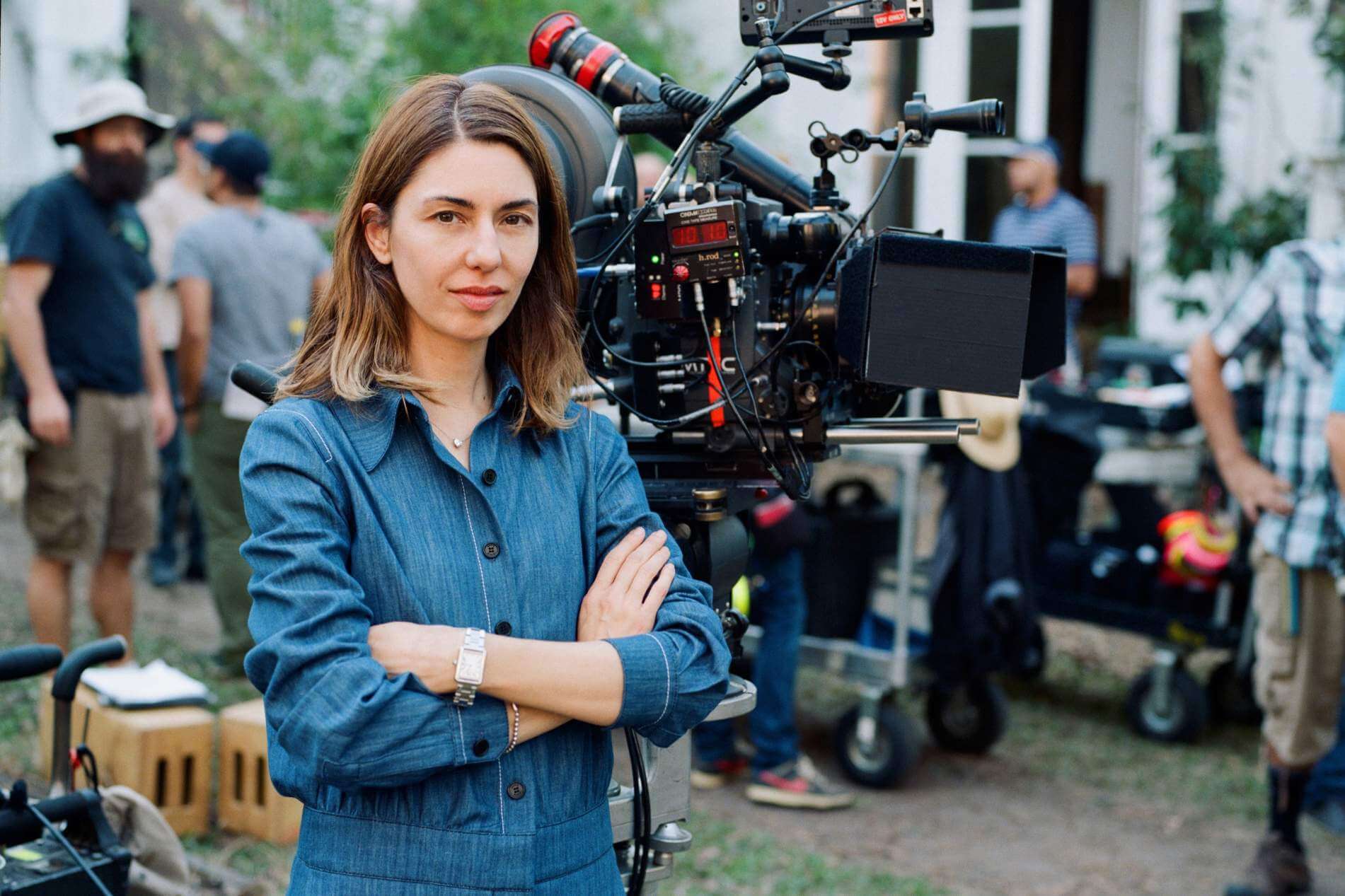
Take directors. In 2025’s top-grossing films, women directed only about 8%—a sharp drop from 13.4% the year before. That’s basically back to levels seen nearly two decades ago.
Women of color actually outnumbered white women among those few (six out of nine), which is a small but notable shift. But overall? White directors still dominate at around 80%.
Writers, producers, and composers show similar plateaus or minor gains that haven’t accelerated. Underrepresented directors hover around 23%, up from earlier years but stagnant recently.
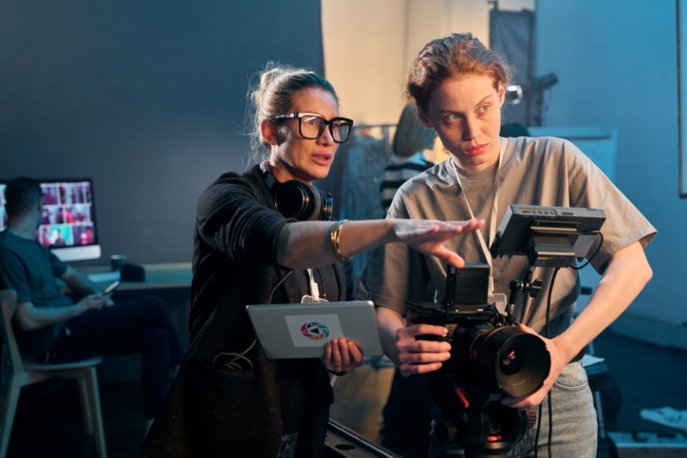
This matters because the gatekeepers influence what stories get told. When the decision-makers don’t reflect the audience, we miss out on fresh perspectives.
What Drives Change (and What Slows It Down)
Movements have pushed the needle. #OscarsSoWhite forced the Academy to introduce inclusion standards for Best Picture eligibility, leading to more diverse nominees in recent years. We’ve seen landmark wins for films with diverse casts and crews.
Yet recent data suggests backsliding in some areas fewer LGBTQ-inclusive films, stalled director diversity, and regressions in certain metrics.
Why? Pipeline issues, unconscious bias, risk-averse studios, and inconsistent commitment all play a part. The good news? Diverse films often outperform at the box office. Audiences worldwide crave stories that reflect them, and studios that deliver see the rewards.
The Path Forward: Sustained Effort Over Moments
Hollywood isn’t hopeless, but it’s clear one-off successes aren’t enough. We need intentional pipelines for diverse talent, accountability from studios, and a culture that values inclusion as essential—not optional.
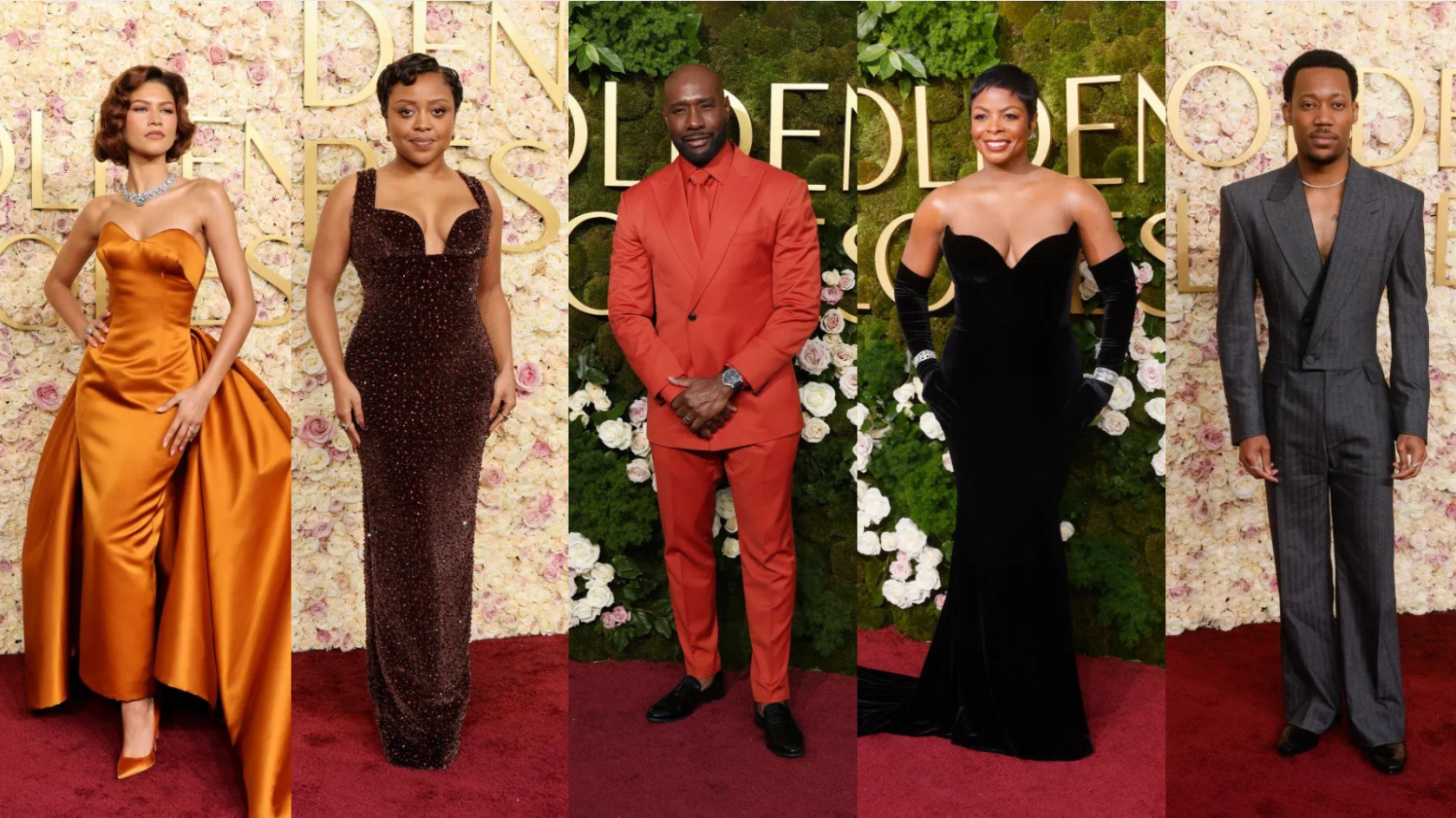
The red carpet looks more vibrant than ever, but real progress happens in writers’ rooms, editing bays, and board meetings. When more voices get to tell stories, cinema gets richer for everyone.
What do you think have you noticed more diverse stories on screen lately, or does it still feel like the same old? Drop your thoughts in the comments. I’d love to hear what films have made you feel seen.