
How International Cinema Influences Bollywood: From Hollywood Remakes to K-Drama Twists
Hey, movie lovers! Remember that thrilling chase scene in your favorite Bollywood blockbuster that gave you major Hollywood vibes? Or that heartfelt romance in a recent Hindi flick that felt straight out of a K-drama? If you’re nodding along, you’re not alone. As an Indian cinephile who’s grown up bingeing everything from Shah Rukh Khan’s epics to Tom Cruise’s action flicks, I’ve always been fascinated by how international cinema sneaks into Bollywood, making our films bolder, brighter, and more binge-worthy. In a country where movies are like family gatherings—full of drama, dance, and dal-chawal emotions—the influence of global films has turned Bollywood into a vibrant melting pot. Let’s unpack this cinematic crossover, with real examples that’ll make you rethink your next Netflix queue. Who knows, it might even spark a debate at your next chai session!
Hollywood’s High-Octane Impact: Remakes and Action-Packed Inspirations
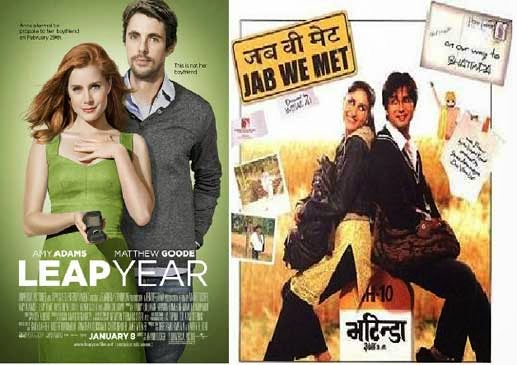
Bollywood has a long history of borrowing from Hollywood, often turning Western hits into desi delights with added masala. Think about it: many of our beloved films started as American stories, adapted to fit Indian sensibilities like family values and epic song sequences. For instance, the gripping thriller “Ghajini” (2008) starring Aamir Khan was inspired by Christopher Nolan’s “Memento,” flipping memory loss into a revenge saga with killer dance numbers. And who can forget “Sarkar” (2005), Ram Gopal Varma’s take on “The Godfather,” where Amitabh Bachchan channels Marlon Brando’s mafia don vibe but with Mumbai’s gritty underworld twist?
These aren’t just copies—they’re clever reinventions. Hollywood’s fast-paced editing and plot twists have pushed Bollywood directors to up their game, leading to official remakes like “Bang Bang” (2014) from “Knight and Day,” or “Players” (2012) echoing “The Italian Job.” Even rom-coms get the treatment: “Partner” (2007) with Salman Khan is a fun riff on “Hitch,” proving love advice transcends borders. It’s like Hollywood provides the skeleton, and Bollywood adds the soul—making films that resonate with our joint families and festive spirits. Ever spotted these parallels while rewatching classics? It adds a whole new layer of fun!

The Korean Wave: How K-Dramas Are Reshaping Bollywood Romance and Drama
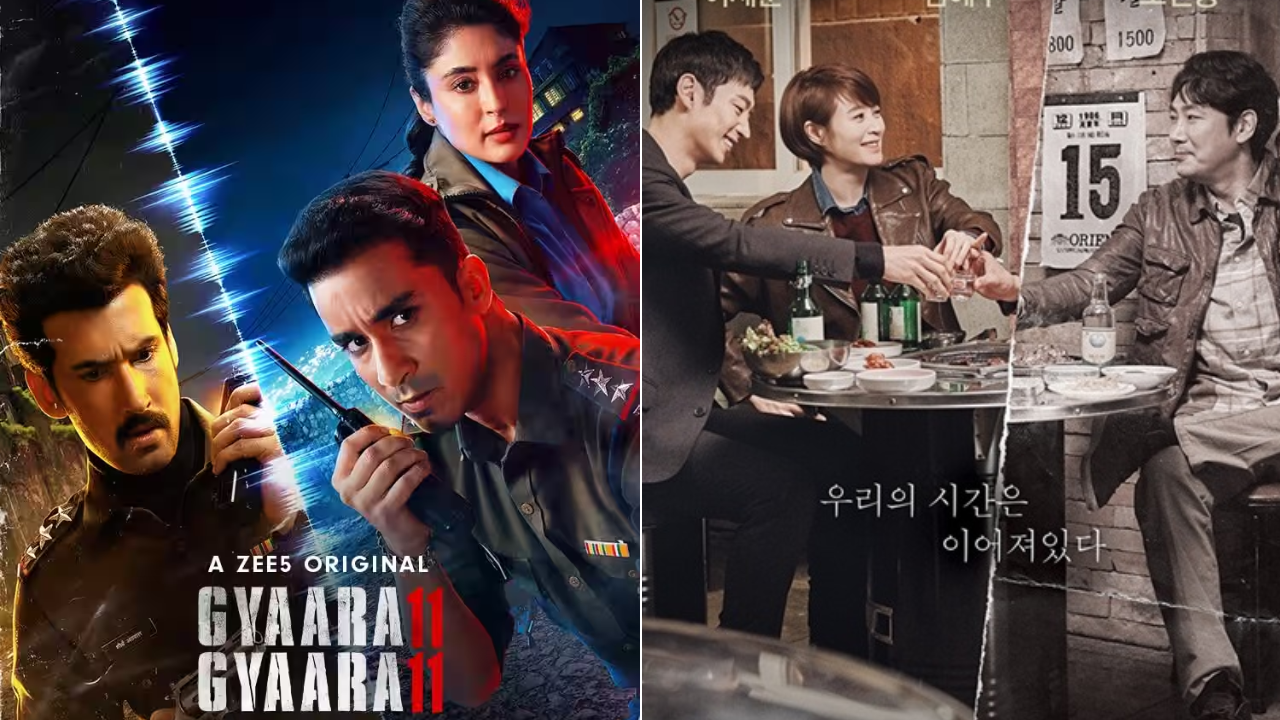
Ah, the Hallyu wave—it’s not just about BTS and kimchi anymore; it’s splashing into Bollywood big time. Korean cinema and K-dramas, with their emotional depth and swoon-worthy plots, are influencing everything from web series to big-screen romances. Take “Gyaarah Gyaarah,” an Indian series that’s a nod to the time-bending thrills of K-dramas like “Signal.” Or “Duranga,” inspired by “Flower of Evil,” blending suspense with heartfelt family ties that feel oh-so-Indian.
Why the love? K-dramas nail those forbidden romances and family pressures we Indians relate to—think arranged marriages with a twist or second-chance love stories. Bollywood’s picking up on this, infusing more subtle emotions and cliffhangers into films. Even dubbing K-dramas in Hindi has made them household hits, pushing directors to experiment with slower burns over instant item songs. In places like Manipur or Kerala, where Korean culture booms, it’s sparking local films with similar vibes. Imagine a Bollywood hero confessing love under cherry blossoms—could that be next?
European Flair: Scenic Shoots and Sophisticated Storytelling in Bollywood
Europe’s cinematic charm—think French romance or Italian drama—has left its mark on Bollywood, often through stunning locations and subtle narrative nods. Films like “Dilwale” (2015) shot in Iceland or “Zindagi Na Milegi Dobara” (2011) in Spain aren’t just pretty postcards; they borrow European road-trip tropes, blending self-discovery with desi bromance. European festivals have exposed Indian filmmakers to arthouse styles, influencing directors like Satyajit Ray, who drew from Italian neorealism in classics like “Pather Panchali.”
It’s not all about remakes; it’s cultural exchange. Bollywood’s “Indianization” of stories adds emotional layers, like in “We Are Family” (2010), a remake of “Stepmom,” emphasizing joint family bonds. And with stars like Priyanka Chopra going global, European influences flow back, making our films more universally appealing. Next time you’re in Europe-inspired scenes, spot the subtle sophistication—it’s what makes Bollywood feel worldly yet warm.
Asian Inspirations: From Japanese Anime to Broader Eastern Influences
While Hollywood dominates, Asian cinema adds its own spice. Japanese anime’s fantastical elements have trickled in, influencing visuals in films like “Krish” (2006), with superhero vibes echoing anime heroes. Though not as direct, the emotional storytelling in Japanese films has inspired Bollywood’s deeper character arcs, especially in slice-of-life dramas.
Broader Asian impacts, like from Chinese martial arts, show up in action sequences—think “Chandni Chowk to China” (2009). It’s a reminder that international cinema’s influence on Bollywood isn’t just Westward; it’s a global buffet enriching our screens.
Beyond the Screen: How Global Cinema Boosts Bollywood’s Music, VFX, and Vibes
The influence isn’t limited to plots—it’s in the beats and pixels too. Hollywood’s VFX wizardry, seen in Marvel flicks, has amped up Bollywood spectacles like “Brahmastra” (2022), with mind-blowing effects that rival international standards. Music? Global fusions are everywhere—rap from American hip-hop in “Gully Boy” (2019), or electronic vibes echoing K-pop in party anthems.
Storytelling has evolved too: tighter scripts, diverse genres, and female-led narratives inspired by global trends. This cross-pollination makes Bollywood a soft power giant, exporting our culture while importing fresh ideas. Pretty cool how a film from LA or Seoul can shape a Mumbai masala hit, right?