
How Humans Respond in Life or Death Situations: Fight, Flight, Freeze, and What Really Happens
The Classic Trio: Fight, Flight, and Freeze
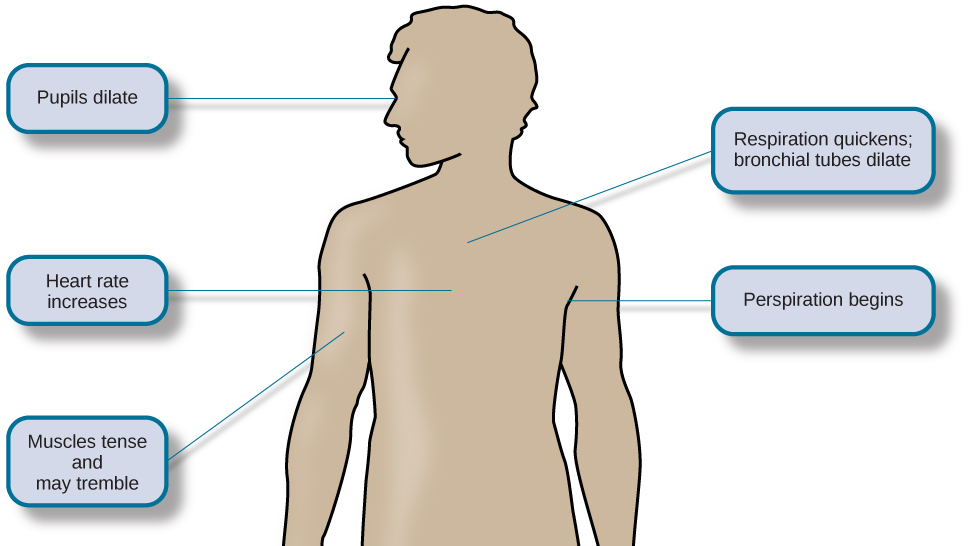
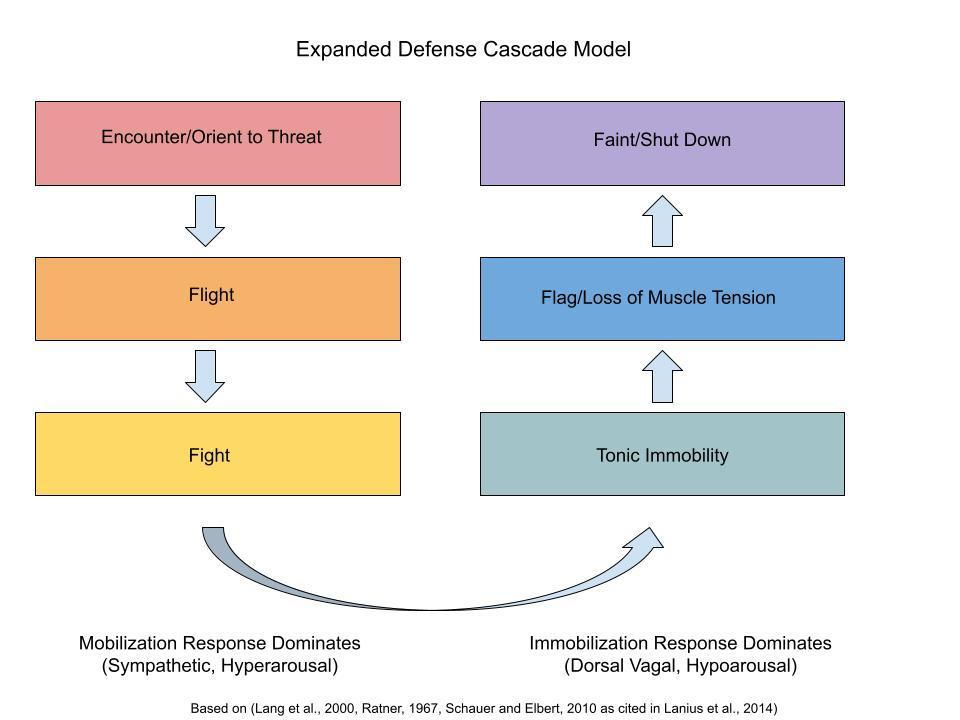
Your brain’s alarm center (the amygdala) spots danger and flips a switch. In under three seconds, adrenaline floods your system. Heart racing. Pupils wide. Muscles primed. This is the famous fight or flight response.
- Fight: You charge toward the threat, pushing through smoke, helping others, or confronting danger head on.
- Flight: You run like hell, dodging obstacles and getting out fast.
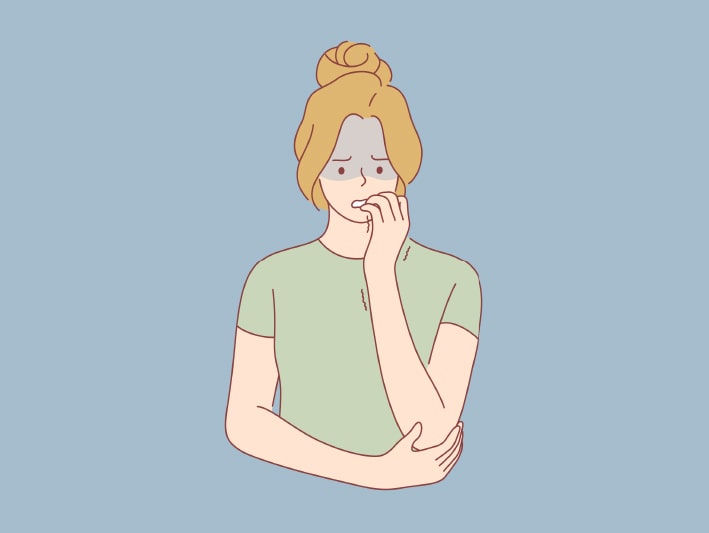
- Freeze: You lock up. Body goes still, mind blanks. It feels like you’re stuck in mud.
Freeze surprises a lot of people. It’s not cowardice it’s your brain buying time or playing dead so the threat might pass you by. Studies show it happens in 10–25% of emergencies, sometimes more. Your body literally shuts down movement to conserve energy or avoid detection.


The Newer Response: Fawn (and Sometimes Flop)
Modern psychology added two more letters to the list.
- Fawn: You try to please or appease the threat to make it go away. In human terms, this shows up as complying, talking calmly, or helping the “danger” (think hostage situations or abusive dynamics).
- Flop (or faint): Your body collapses literally shutting down or going limp. It’s an extreme freeze where blood pressure drops and you pass out.
These aren’t failures. They’re smart adaptations. Evolution gave us options because one-size-fits-all survival doesn’t work in every scenario.
Real-Life Stories That Show the Full Range
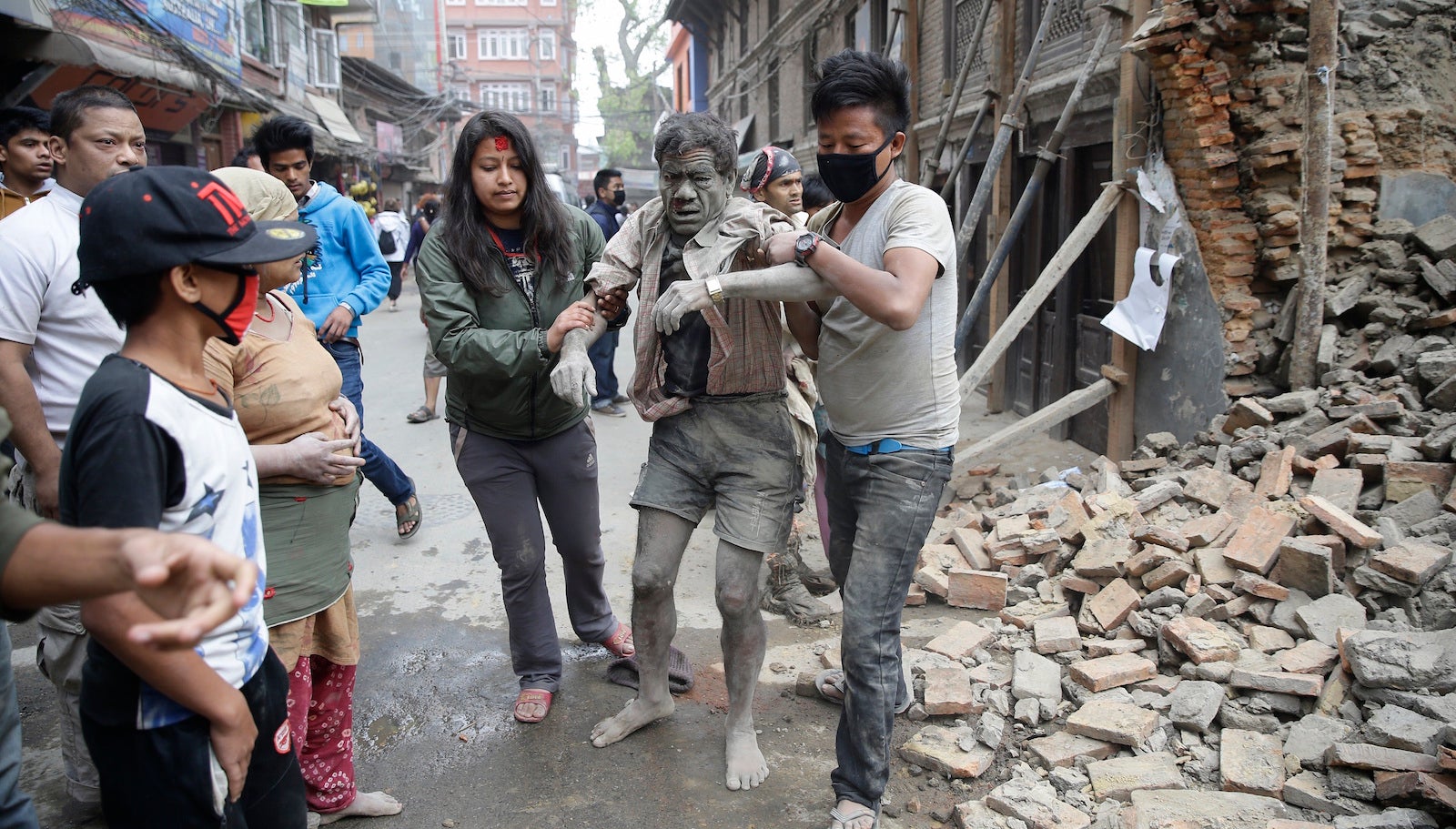
Remember the 2018 Southwest Airlines engine failure? Passengers described pure pandemonium one woman calmly helped her seatmate with an oxygen mask while others screamed. In the 2009 Miracle on the Hudson, most people followed crew instructions and helped each other off the wings. But some froze until guided.
In disasters like fires or shootings, research consistently shows:
- About 10–25% act quickly and effectively.
- Many follow the crowd or freeze.
- A surprising number start helping strangers—humanity shines even in panic.
These stories prove there’s no “right” way to react. Your response depends on training, personality, and the exact moment.
:max_bytes(150000):strip_icc():focal(703x517:705x519)/American-Airlines-plane-denver-031325-b99fa765857e4ddb9c81e5649c2bfe94.jpg)
Why Your Brain Does This (and How to Train It)
The amygdala hijacks the thinking part of your brain so you can act fast. It’s brilliant for saber-tooth tigers. Less ideal for modern threats like car accidents or active shooters. That’s why training matters.
Fire drills, CPR classes, even mental rehearsal help your brain practice the “right” path. People who’ve done emergency training are far more likely to fight or flight effectively instead of freezing.
The good news? Awareness alone helps. Knowing these responses exist takes away the shame when your body chooses freeze. You’re not broken—you’re human.

Amygdala and the fear response shows how the brain processes threats, highlighting the amygdala, hypothalamus, and sensory cortex. Outline diagram – …
Your Body Is Smarter Than You Think
How humans respond in life-or-death situations is messy, beautiful, and deeply wired into us. Fight, flight, freeze, fawn they’re all survival tools. None make you weak. They just show your brain doing its ancient job.
The next time you feel that rush of adrenaline, remember: your body is trying to keep you alive. With a little knowledge and practice, you can help it choose the response that serves you best.