How Climate Change Affects Different Wildlife Regions: Shocking Impacts on Animals Worldwide and in India
Hey folks, imagine trekking through the misty Sunderbans, hoping to spot a majestic Bengal tiger, only to learn that rising seas might wash away their home forever. Or picture the snow-capped Himalayas, where elusive snow leopards are being pushed higher up mountains they can barely survive in. Climate change isn’t some far-off buzzword—it’s messing with our planet’s wild wonders right now, hitting animals hard in every corner. As Indians, with our incredible biodiversity from the Thar Desert to the Western Ghats, we feel this close to home. Let’s dive into how climate change affects different wildlife regions, with real stories, eye-opening facts, and a nudge to think about what we can do. Trust me, this’ll leave you pondering your next eco-friendly step!
Melting Ice Caps: How Climate Change Devastates Polar Wildlife
Up in the icy realms of the Arctic and Antarctic, things are heating up fast—literally. Polar bears, those fluffy giants we adore in wildlife docs, are starving because sea ice is vanishing quicker than a Delhi summer ice cream. Without ice platforms to hunt seals from, they’re swimming longer distances, burning energy they can’t afford.
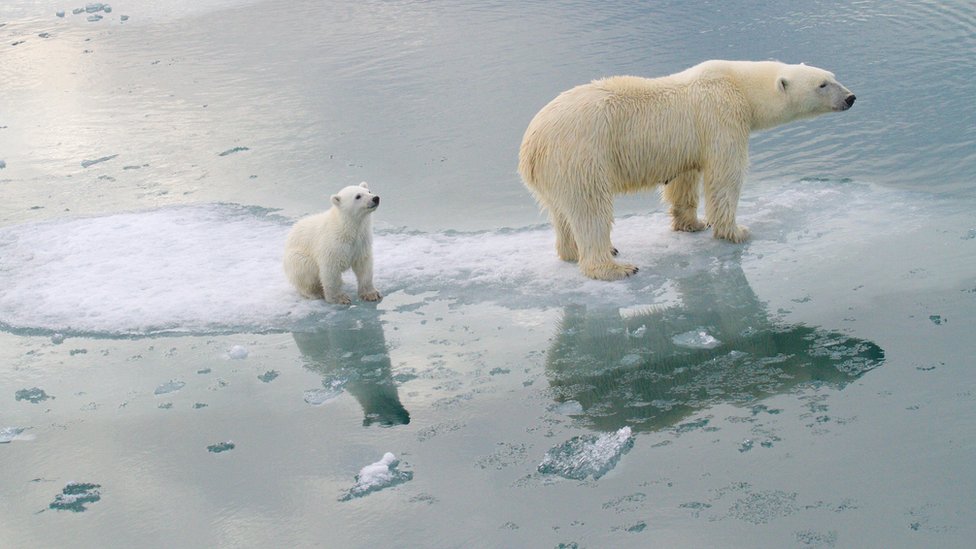
Lemmings and arctic foxes are struggling too, as less snow cover exposes them to predators and harsh weather.
Closer to us, think about how this global melt affects India—rising sea levels from polar thaw contribute to coastal erosion in places like Kerala. It’s a chain reaction: what happens in the poles ripples to our shores. Ever wondered if our grandkids will only see polar bears in museums?
Steamy Jungles: Climate Change’s Toll on Tropical Rainforest Animals
Tropical rainforests, like the Amazon or our own lush Western Ghats, are biodiversity hotspots buzzing with life. But warmer temps and erratic rains are turning them into trouble zones. In the Amazon, deforestation amps up climate woes, pushing species like jaguars and monkeys into smaller, fragmented habitats where survival’s a gamble.
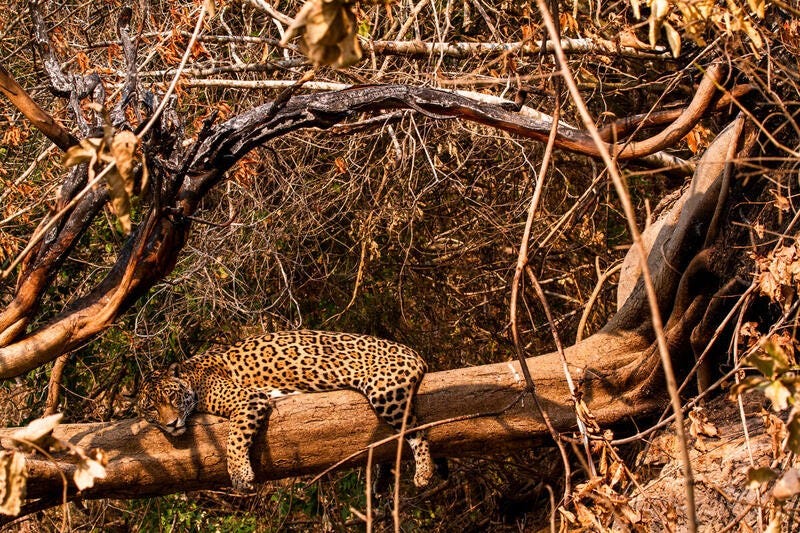
Droughts kill off trees, sparking more fires and pest invasions, while animals shift altitudes to cooler spots, clashing with locals.
In India, the Western Ghats face similar heat—elephants and tigers roam farther for water, leading to more human-wildlife conflicts in places like Karnataka. It’s heartbreaking: these forests, our natural air purifiers, are gasping. What if the calls of hornbills fade from our mornings?
Underwater Havoc: How Climate Change Hits Ocean and Coral Reef Wildlife
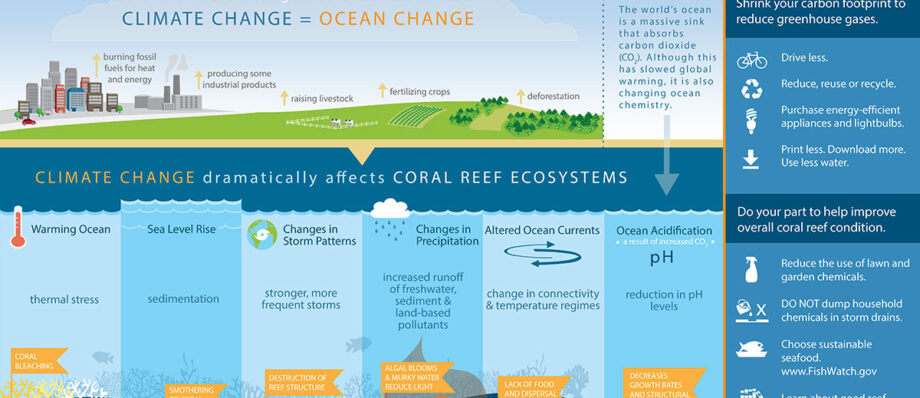
Dive into the oceans, and it’s a colorful chaos turning bleak. Coral reefs, like those in the Andaman Islands or the Great Barrier, are bleaching white as waters warm up, expelling the algae that feed them.

This starves corals, collapsing homes for fish, turtles, and sharks. Marine species are migrating poleward for cooler waters, disrupting food chains—think fewer fish in our coastal markets.
For India, with our vast coastline, this means trouble for Olive Ridley turtles nesting in Odisha or dugongs in the Gulf of Mannar. Acidic oceans from CO2 absorption weaken shells of sea creatures, too. Picture a Goan beach vacation without vibrant snorkeling spots—scary, right? How can we protect these underwater worlds before they’re ghosts?
High-Altitude Heartbreak: Climate Change in Mountain Wildlife Regions
Mountains like the Himalayas are warming twice as fast as the global average, forcing animals uphill. Snow leopards, our Himalayan ghosts, are climbing higher for prey, but there’s a limit—soon, no more “up” to go.

Musk deer and pheasants face the same squeeze, with melting glaciers altering rivers and habitats.
In India, this hits home hard—Himalayan rivers feed our agriculture, and wildlife shifts could spark more landslides or floods in Uttarakhand. Remember the 2013 Kedarnath floods? Climate change amps those risks. It makes you think: are we doing enough to safeguard these majestic peaks and their inhabitants?
Mangrove Mayhem: Sunderbans Wildlife Under Siege from Climate Change
Ah, the Sunderbans—India’s tiger haven and a UNESCO gem. Rising sea levels are salting freshwater zones, shrinking mangroves that protect against cyclones.
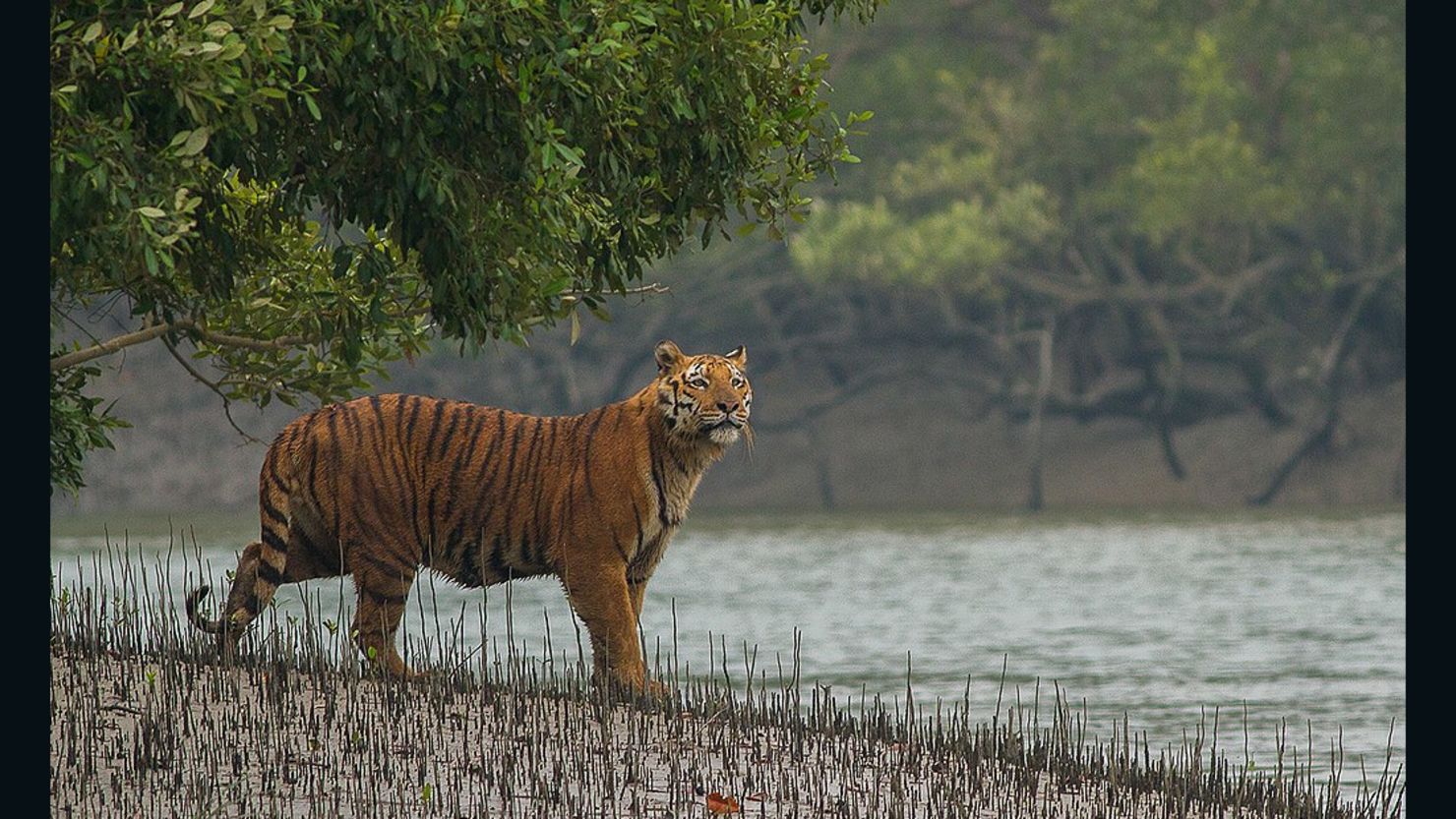
Bengal tigers are losing territory, swimming more and clashing with villagers. Crocodiles, dolphins, and birds face habitat loss too, with stronger storms battering the delta.
This isn’t abstract—it’s our backyard in West Bengal, where communities and wildlife coexist precariously. Water scarcity and pollution add fuel to the fire. Ever visited and felt the thrill of spotting a tiger? Imagine that thrill gone forever.
Parched Plains: Climate Change’s Grip on Savanna and Grassland Animals
Savannas and grasslands, from Africa’s vast plains to India’s Deccan stretches, are drying out with longer droughts.
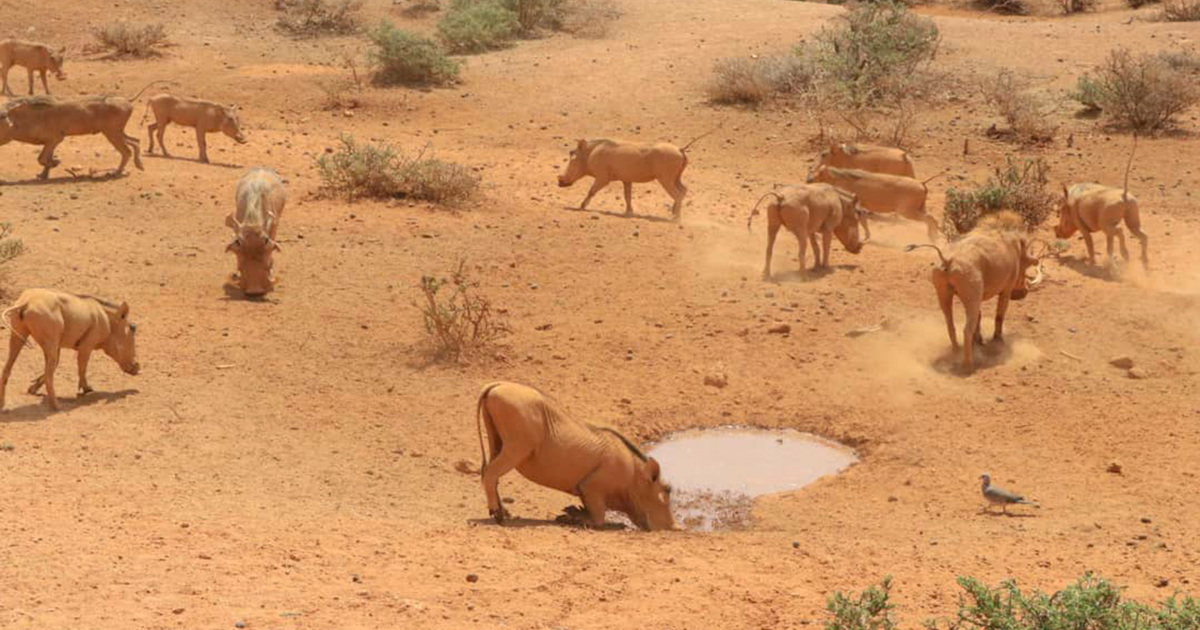
Elephants and lions compete fiercely for shrinking waterholes, while wildfires rage more often. In Africa, wildebeest migrations are disrupted, leading to population crashes.
In India, grasslands in Rajasthan support blackbucks and great Indian bustards, but invasive species and heatwaves threaten them. It’s a survival scramble—how long before these open landscapes turn barren?
Scorching Sands: Desert Wildlife Struggling with Climate Change
Deserts like the Thar are getting hotter and drier, pushing animals to their limits. Birds in the Mojave are collapsing from dehydration, unable to cool down.
/https://tf-cmsv2-smithsonianmag-media.s3.amazonaws.com/filer/d3/5a/d35ac20e-67cc-4fa5-8c2a-d626bc02c871/drought_kenya.jpg)
Burrowing critters fare better, but even they face water shortages and sandstorms whipped up by changing winds.
In India’s Thar, camels and desert foxes deal with extreme heat, while droughts kill off vegetation. These hardy survivors remind us resilience has limits—what happens when the desert’s edge creeps into farmlands?
Whew, that’s a lot to take in, isn’t it? From polar bears paddling endlessly to our own Sunderbans tigers facing the tide, climate change is reshaping wildlife regions in ways that hit ecosystems, economies, and even our cultural heritage in India.