Emerging Technologies That Will Shape the Next Decade: Game-Changers Ahead
The next ten years won’t be about one big invention; it’ll be about how these techs collide to transform everyday life from how we work and heal to how we power our world and explore beyond it. Drawing from reports like the World Economic Forum’s Top 10 Emerging Technologies, McKInsey’s Trends Outlook, and Stanford’s Emerging Technology Review, here are six powerhouse innovations set to redefine everything. Let’s dive in and see what they mean for you.
Agentic AI: From Chatbots to Autonomous Helpers
Remember when AI was just answering questions? Agentic AI takes it to the next level—systems that don’t just respond but plan, act, and learn like a smart assistant with superpowers. These “agents” break down complex tasks, use tools like browsers or apps, and make decisions on their own.
Real-world momentum: OpenAI’s “Operator” and Anthropic’s Claude are already handling multi-step jobs, like researching and booking travel. By mid-decade, expect them in customer service (60% productivity boost in prototypes) and personal life, automating everything from finances to meal planning.
The thought-provoker: If AI agents handle 30–50% of routine work, what new freedoms (or challenges) will that create for your daily grind?

Quantum Computing: Solving the Unsolvable
Quantum computers use qubits (which can be 0, 1, or both at once) to crunch massive calculations that regular computers choke on. We’re past theory error correction breakthroughs mean practical uses are coming fast.
Key advances: Google’s Willow chip slashed errors, while IBM aims for 1,000+ qubit systems by late decade. Impacts? Drug discovery (simulating molecules in hours vs years), materials for better batteries, and unbreakable encryption (or breaking old ones—hello, cybersecurity scramble).
Relatable angle: Imagine curing diseases faster because quantum speeds up testing could it save someone you love?

Brain-Computer Interfaces: Mind Over Machine
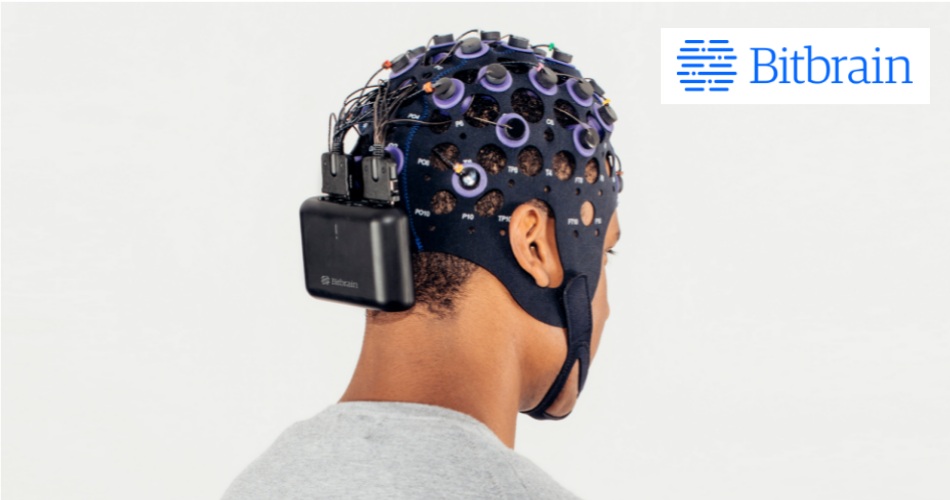
BCIs connect your brain directly to computers—reading thoughts to control devices or even enhancing cognition. From medical miracles to everyday boosts, they’re evolving quick.
Leaders like Neuralink (high-bandwidth implants) and Synchron (less invasive stents) are testing human trials. By decade’s end, expect wider use in gaming (think with your mind), focus tools, and memory aids—potentially adding “unfair advantages” in work or school.
Thought-starter: If you could “download” skills or control your phone with thoughts, would you? Or does it feel too invasive?
Humanoid Robotics: Robots as Everyday Companions
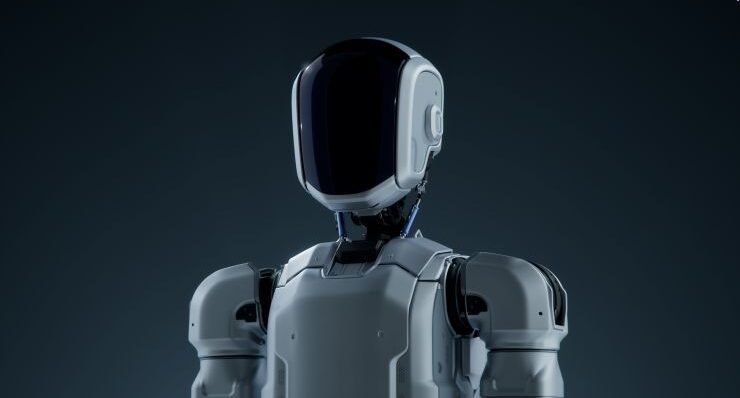
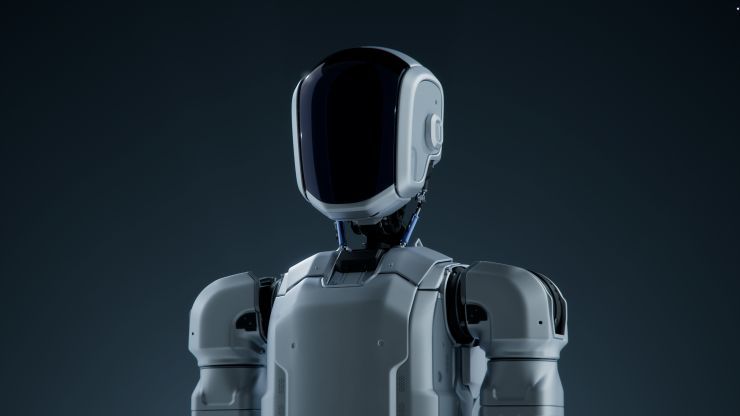
Robots are ditching factories for our homes and offices—human-like ones that walk, talk, and learn on the fly, powered by AI.
2025 frontrunners: Tesla’s Optimus, Figure 01, and Boston Dynamics’ Atlas are testing real-world tasks like folding laundry or warehouse work. By 2030, they could handle eldercare or hazardous jobs, addressing labor shortages—but sparking debates on jobs lost.
Fun twist: Picture a robot chef making your grandma’s recipe perfectly—convenience or creepy?
Green Hydrogen & Sustainable Energy Breakthroughs
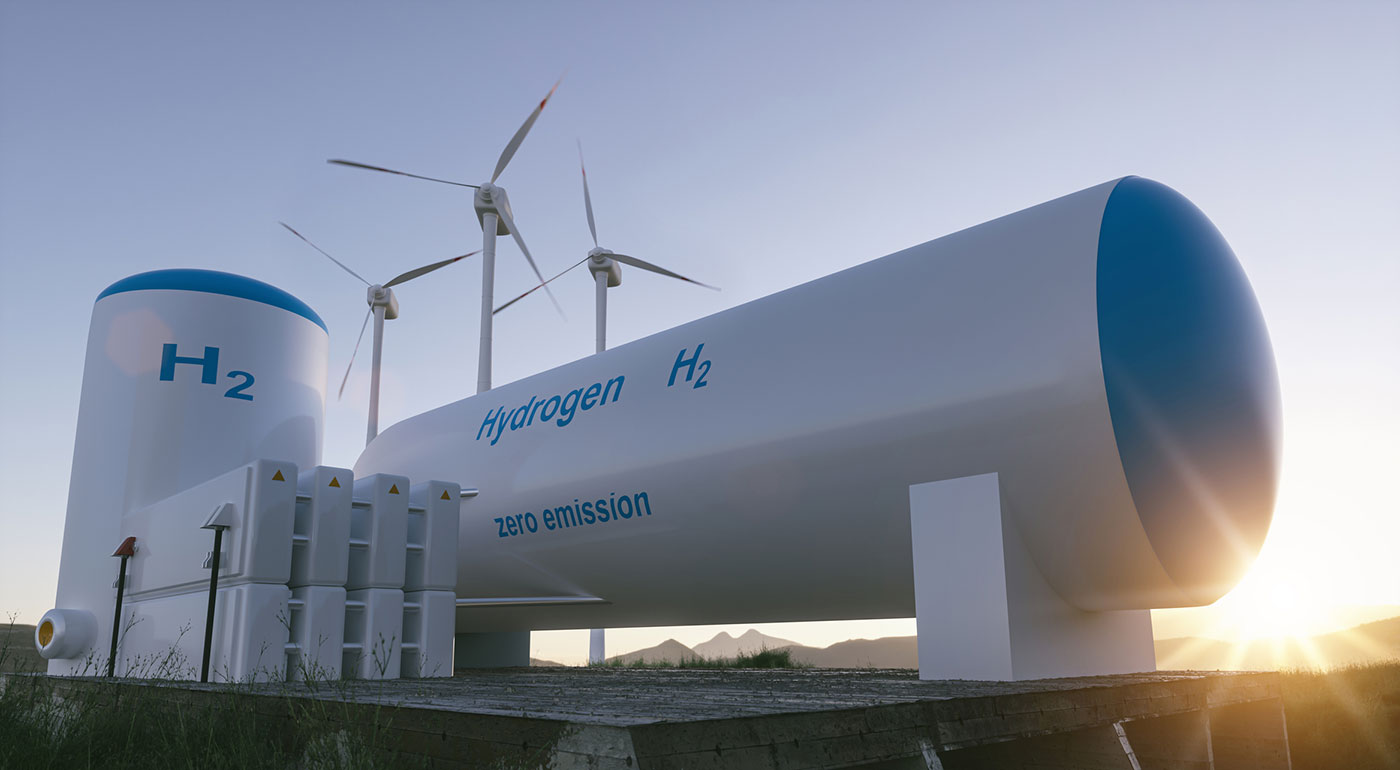
Cheap renewables are here, but storing and using them everywhere needs a boost. Green hydrogen (made from water via clean electricity) and advanced storage are the keys.
Progress: Costs have dropped 60% since 2015, with another 50% fall expected by 2030. It’ll power heavy industry (steel, shipping) and long-haul transport, while iron-air batteries store energy for 100+ hours.
Relatable: Cheaper clean energy means lower bills and a healthier planet—win for your wallet and the world.
Engineered Living Therapeutics & Biotech Revolutions
Biotech is hacking life itself—using engineered cells and AI to fight diseases, grow food, and create materials.
Highlights: CRISPR therapies are approved, mRNA expands beyond vaccines, and bio-LLMs design proteins. Think personalized cancer cures or lab-grown meat that’s better for the environment.
Provoking thought: If we can “program” cells like code, what ethical lines do we draw?
The Big Picture: Convergence Creates the Real Magic
These emerging technologies won’t operate in silos. Agentic AI plus robotics? Smart home helpers. Quantum with biotech? Faster drug discoveries. The real revolution is how they intersect, potentially adding trillions to global GDP while tackling climate and health crises.
But it’s not all rosy ethical dilemmas like AI bias, privacy in BCIs, and job shifts loom large. The key? Staying informed and involved.