Discover Hidden Gems: Lesser-Known Endangered Animals Around the World
Have you ever wondered about the animals that don’t make the headlines? While tigers and pandas steal the spotlight, there are countless “hidden gems” in the animal kingdom fighting for survival. These lesser-known endangered species are just as fascinating and vital to our planet’s biodiversity. As an Indian wildlife enthusiast, I’ve always been drawn to stories of creatures close to home and far away that remind us of nature’s incredible diversity. Let’s dive into some of these unsung heroes, starting right here in India, and explore why they matter. Who knows—you might find a new favorite animal to root for!
India’s Own Hidden Treasures: Lesser-Known Endangered Animals in Our Backyard
India is a hotspot for biodiversity, but beyond the iconic elephants and tigers, there are species that deserve our attention. These animals are part of our cultural heritage and ecosystems, yet they’re slipping away quietly. Let’s shine a light on a couple of them.
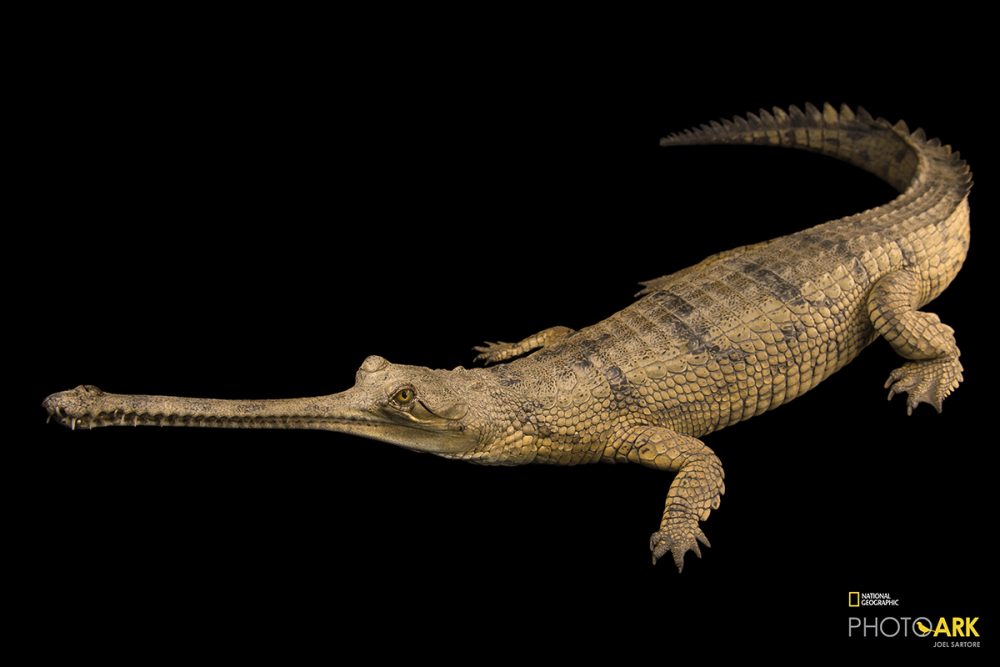
The Gharial: India’s Ancient River Guardian
Picture a crocodile with a super-long, skinny snout that looks like it could snag fish like a pro fisherman. That’s the gharial for you! Found in rivers like the Chambal and Ganges, this critically endangered reptile is one of the world’s longest crocodilians, growing up to 20 feet. But don’t worry—they’re fish-eaters, not people-chasers. Why are they endangered? Habitat loss from dams, pollution, and illegal sand mining have shrunk their homes drastically. Plus, fishing nets often entangle them accidentally. With fewer than 1,000 left in the wild, conservation efforts like breeding programs in Uttar Pradesh are crucial. Fun fact: Male gharials have a bulbous growth on their snout called a “ghara,” which they use to make buzzing sounds during mating—talk about a unique pickup line!
The Lion-Tailed Macaque: The Bearded Monkey of the Western Ghats
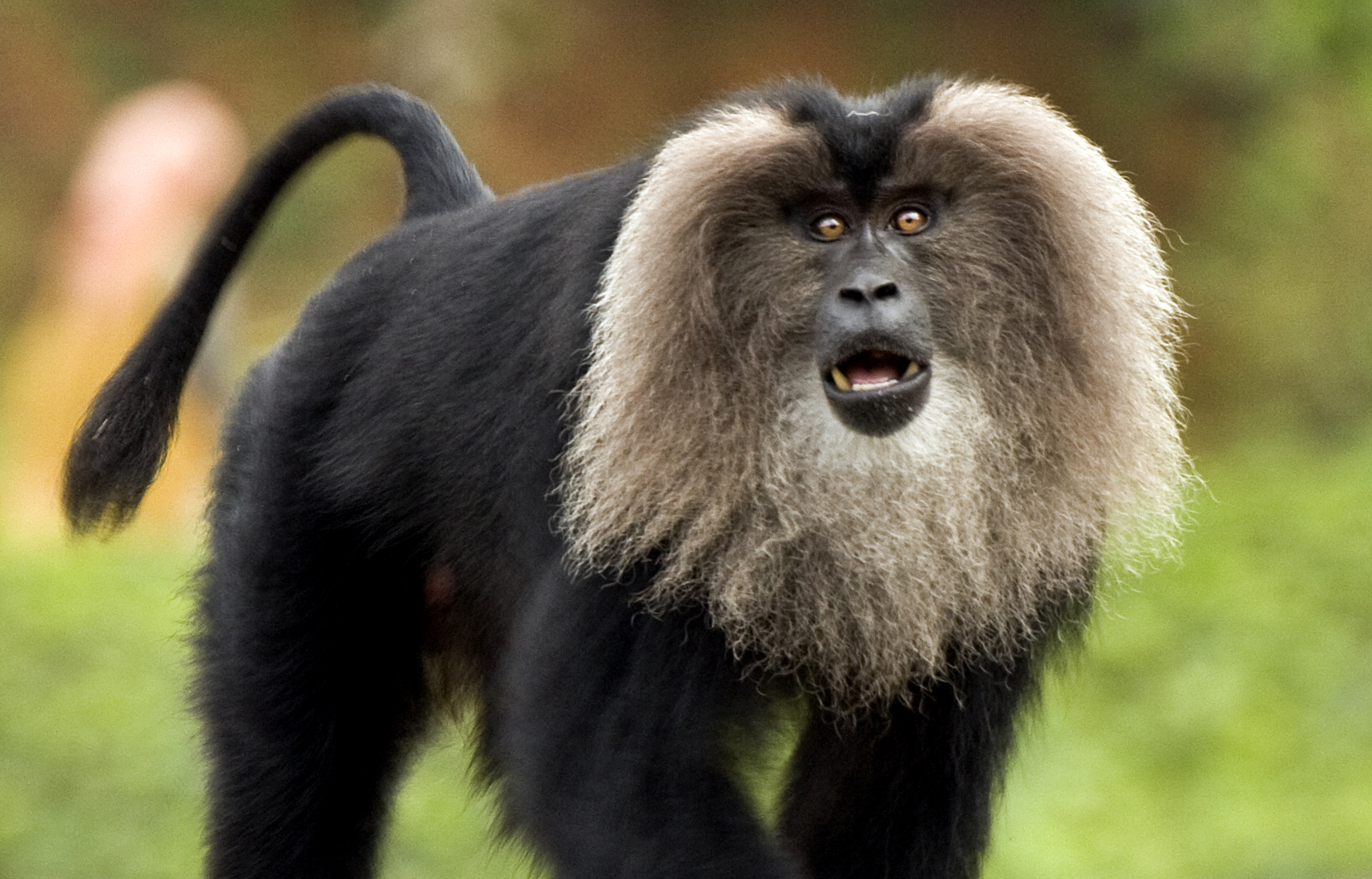
If you’ve trekked through the lush rainforests of Kerala or Tamil Nadu, you might’ve spotted these charismatic primates swinging from tree to tree. The lion-tailed macaque gets its name from the mane-like fur around its face and a tufted tail like a lion’s. These endangered monkeys are picky eaters, munching on fruits, insects, and even small vertebrates, playing a key role in seed dispersal that keeps our forests thriving. Sadly, habitat fragmentation from tea plantations and roads has isolated populations, making breeding harder. With around 4,000 individuals left, projects by the Wildlife Trust of India are working on corridor creation to connect their homes. Imagine losing these “old men of the forest”—their wise-looking beards always make me smile!
Mysteries from Asia: Elusive Endangered Animals Waiting to Be Discovered
Moving beyond our borders, Asia hides some of the most enigmatic creatures. These lesser-known endangered animals remind us that exploration isn’t over—there’s still magic in the wild.
The Saola: Asia’s Mythical Unicorn
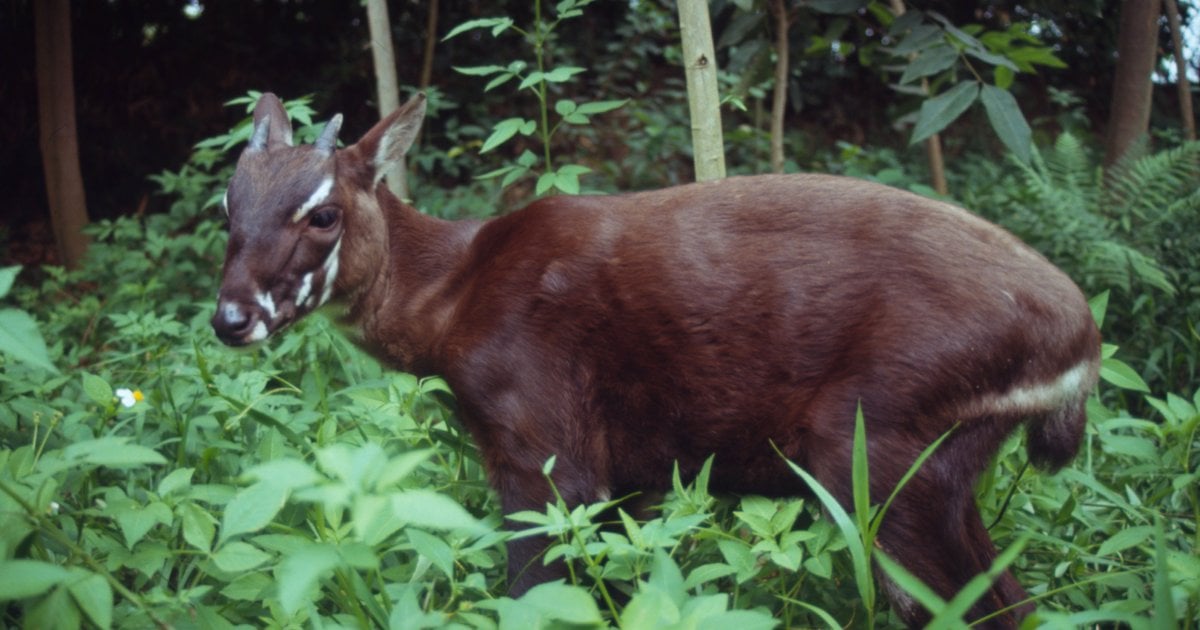
Often called the “Asian unicorn,” the saola was only discovered in 1992 in the misty forests of Vietnam and Laos. This shy, antelope-like bovine has long, straight horns that can reach 20 inches, and it’s so rare that no biologist has seen one in the wild. Critically endangered with possibly fewer than 100 left, threats include snares set for other animals and habitat loss from logging. WWF estimates millions of snares in the region, trapping anything in their path. It’s a poignant reminder: How can we save what we barely know? Conservationists are pushing for anti-poaching patrols and breeding programs to give this hidden gem a fighting chance.
Oceans’ Silent Victims: Lesser-Known Marine Endangered Species
The seas hold their own secrets, and some endangered animals there are on the brink without much fanfare. For us in India, with our vast coastline, these stories hit close to home as they echo our own marine conservation challenges.
The Vaquita: The World’s Smallest and Most Endangered Porpoise
In the Gulf of California, Mexico, swims the vaquita—a tiny porpoise about 5 feet long with a cute, rounded face and dark eye rings. But cuteness hasn’t saved it; with fewer than 20 left, it’s the most endangered marine mammal. Illegal gillnets for totoaba fish (whose bladders fetch high prices in China) drown these little guys as bycatch. Efforts like Mexico’s gillnet bans and international pressure are ongoing, but time is running out. Think about it: Losing the vaquita would be like erasing a whisper from the ocean—quiet but devastating.

Africa’s Forgotten Wonders: Endangered Antelopes in the Grasslands
Africa’s savannas are famous for lions and elephants, but lesser-known endangered animals like this one show the continent’s deeper diversity.
The Hirola: The Four-Eyed Antelope of East Africa
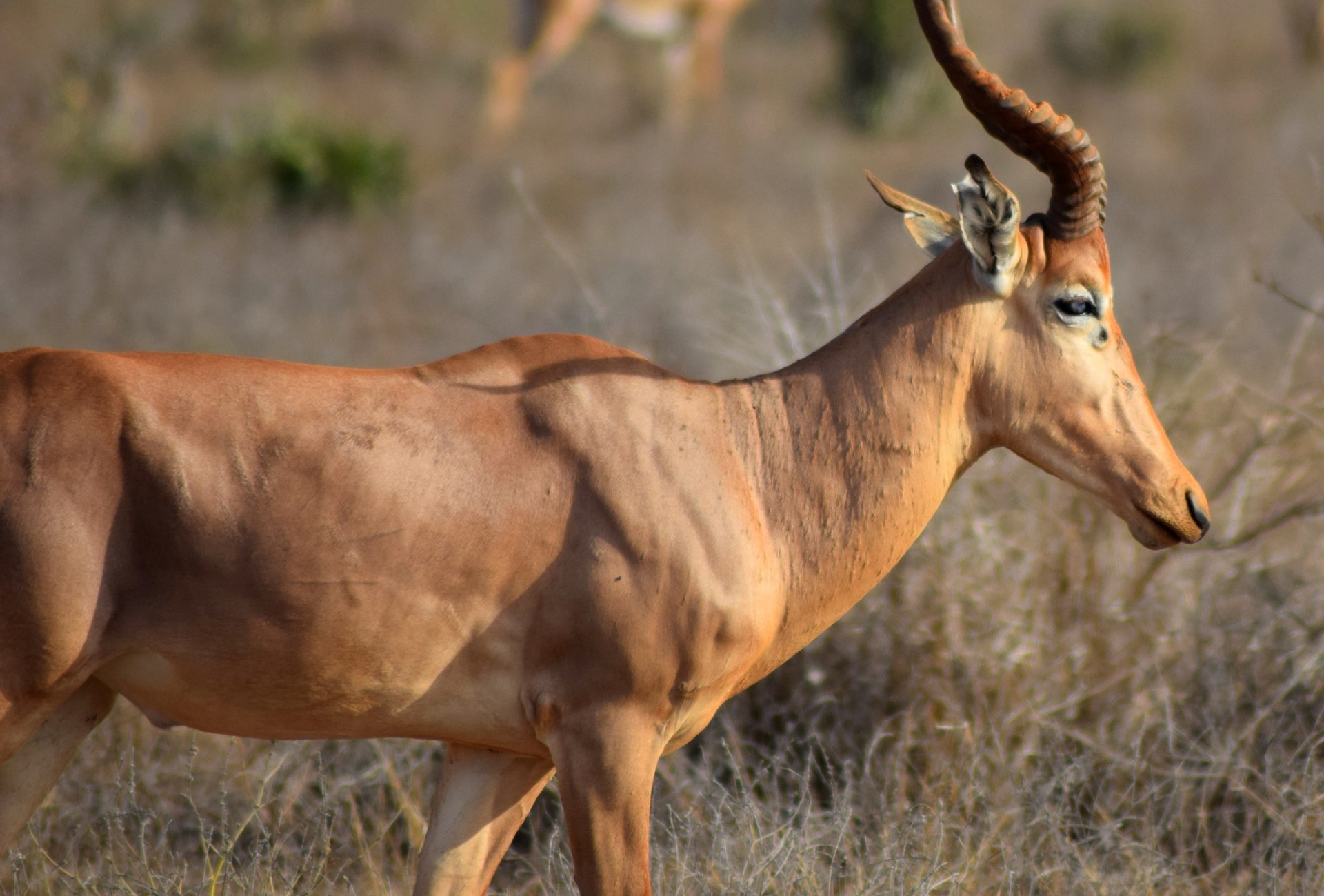
Nicknamed the “four-eyed antelope” for its striking white facial markings, the hirola roams the grasslands of Kenya and Somalia. This critically endangered species, with fewer than 500 left, is the only member of its genus—making its potential loss a huge blow to biodiversity. Drought, poaching, and competition with livestock have decimated numbers. Community conservancies in Kenya are stepping up with anti-poaching and habitat restoration. As Indians, we can relate to balancing human needs with wildlife—it’s a global challenge!
Unique Island Dwellers: Endangered Reptiles from Faraway Lands
Islands often breed the weird and wonderful, and this lesser-known endangered animal is a prime example.
The Galápagos Pink Land Iguana: A Rosy Reptile Rarity
Discovered only in 1986 on Isabela Island in the Galápagos, this iguana sports a stunning pink hue with black stripes. Critically endangered with about 200 individuals, threats include feral cats preying on eggs and volcanic activity. It’s a testament to evolution’s quirks—diverging from other iguanas millions of years ago. Conservation involves monitoring and predator control, ensuring this pink wonder doesn’t fade away.

These hidden gems—from India’s gharials to the Galápagos’ pink iguanas—teach us that every species has a story worth telling. They’re not just animals; they’re keystones in ecosystems that support life, including ours.