
Cultural Impact of Specific Films Around the World: 5 Movies That Changed How We See Society
Parasite (2019): A Global Wake-Up Call on Class Divide
Bong Joon-ho’s dark comedy-thriller didn’t just win the first-ever Best Picture Oscar for a non-English language film it cracked open conversations about wealth gaps everywhere. The story of two families one rich, one poor living in the same house (literally and figuratively) resonated because it felt universal.

Movie Poster of the Week: The Posters of “Parasite” on Notebook | MUBI
Viewers worldwide saw their own societies reflected in the sharp satire. In South Korea, it amplified ongoing debates about economic inequality. Abroad, it helped fuel the Korean Wave (Hallyu) and proved that subtitles aren’t a barrier when the storytelling is this sharp. Many called it a “class warfare” parable, prompting discussions in classrooms, boardrooms, and dinner tables about privilege, resentment, and survival.
The film’s success also shifted Hollywood’s perspective, encouraging more international stories and diverse voices in mainstream awards.
Black Panther (2018): Redefining Africa and Black Excellence
Ryan Coogler’s Marvel blockbuster wasn’t just a superhero movie it became a cultural phenomenon that celebrated African heritage, innovation, and strength. Wakanda, a hidden technologically advanced nation untouched by colonialism, offered a powerful counter-narrative to long standing stereotypes.

Black Panther Wakanda Forever H Original Movie Film Print Wall Poster 24×36
Audiences, especially in the Black diaspora, felt seen and empowered. The film sparked surges in interest in African history, fashion, and tourism. It influenced Halloween costumes, classroom discussions, and even comic book demand. For many, “Wakanda Forever” became more than a catchphrase it symbolized pride and possibility.
Globally, it showed studios that stories centered on Black characters and cultures could dominate the box office, paving the way for more inclusive blockbusters.
Slumdog Millionaire (2008): Spotlighting Mumbai’s Realities and Dreams
Danny Boyle’s rags-to-riches tale followed a young man from Mumbai’s slums who wins a game show through life experience. It swept the Oscars and introduced millions to the vibrancy and harsh realities of Indian street life.

Slumdog Millionaire (2008) | Original Film Posters | 2025 | Sotheby’s
The film boosted global interest in Bollywood-style energy and A.R. Rahman’s music (the “Jai Ho” song became a worldwide hit). In India, reactions were mixed—some praised its energy and hope, while others criticized it as “poverty porn” that exoticized hardship for Western audiences. Either way, it sparked debates about representation, tourism to Dharavi slums, and how outsiders portray local cultures.
Its crossover success highlighted the appeal of authentic, energetic storytelling from anywhere.
Crouching Tiger, Hidden Dragon (2000): Bringing Wuxia to the World
Ang Lee’s martial arts epic blended breathtaking action with emotional depth and stunning visuals. It became one of the highest grossing foreign language films in the U.S. and introduced Western audiences to Chinese wuxia traditions.
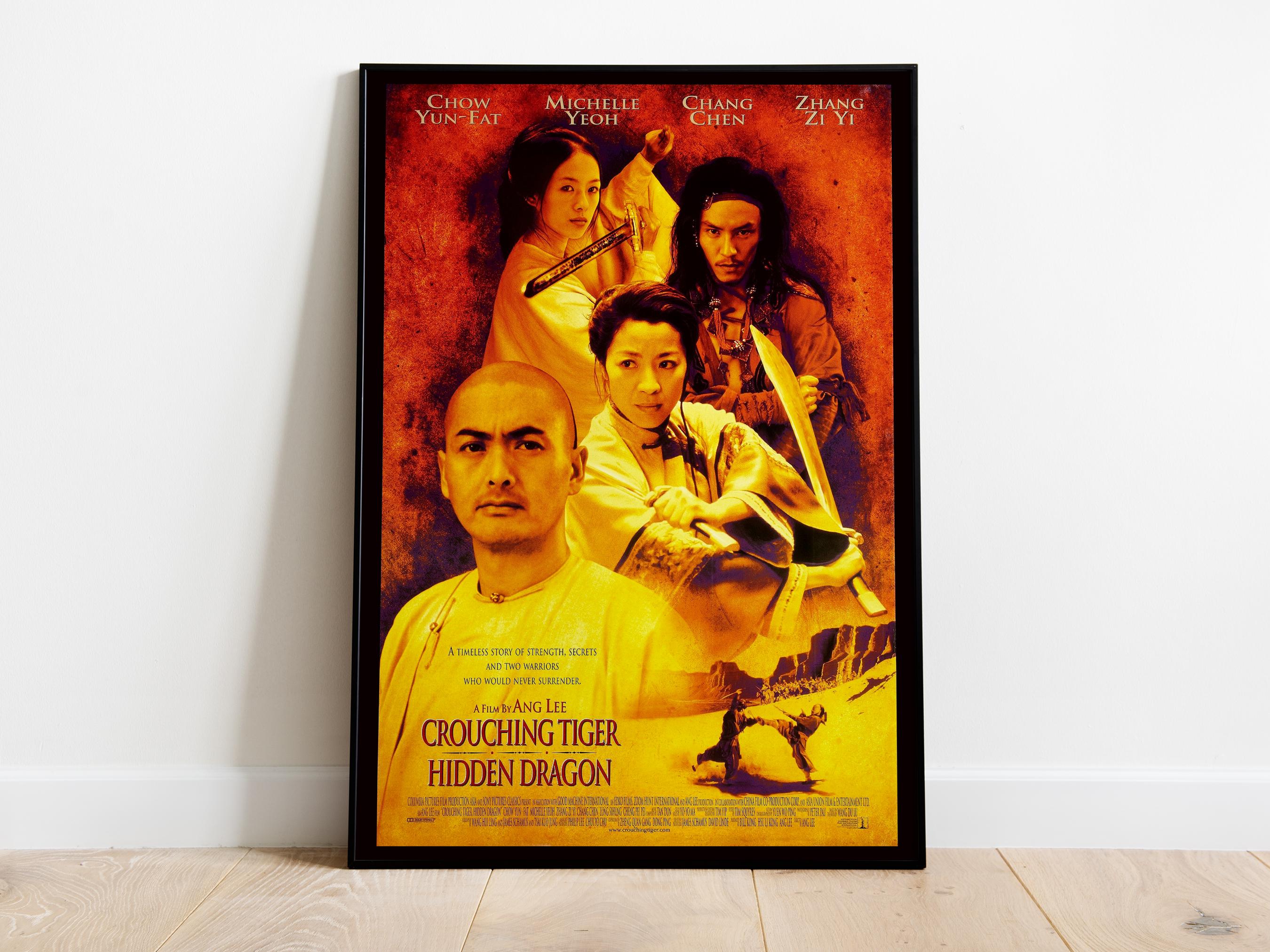
Crouching Tiger, Hidden Dragon, Ang Lee, 2000 – High Quality Movie Poster, Premium Semi-glossy Paper – Etsy Israel
The film popularized graceful, gravity-defying fight scenes and showcased strong female warriors. It opened doors for more Asian cinema in mainstream markets and influenced later action films. Culturally, it fostered greater appreciation for Chinese storytelling, landscapes, and philosophy.
Jaws (1975): Creating a Lasting Cultural Fear (and Summer Blockbusters)
Steven Spielberg’s shark thriller didn’t just scare people out of the water it invented the modern summer blockbuster and changed beach culture for years.
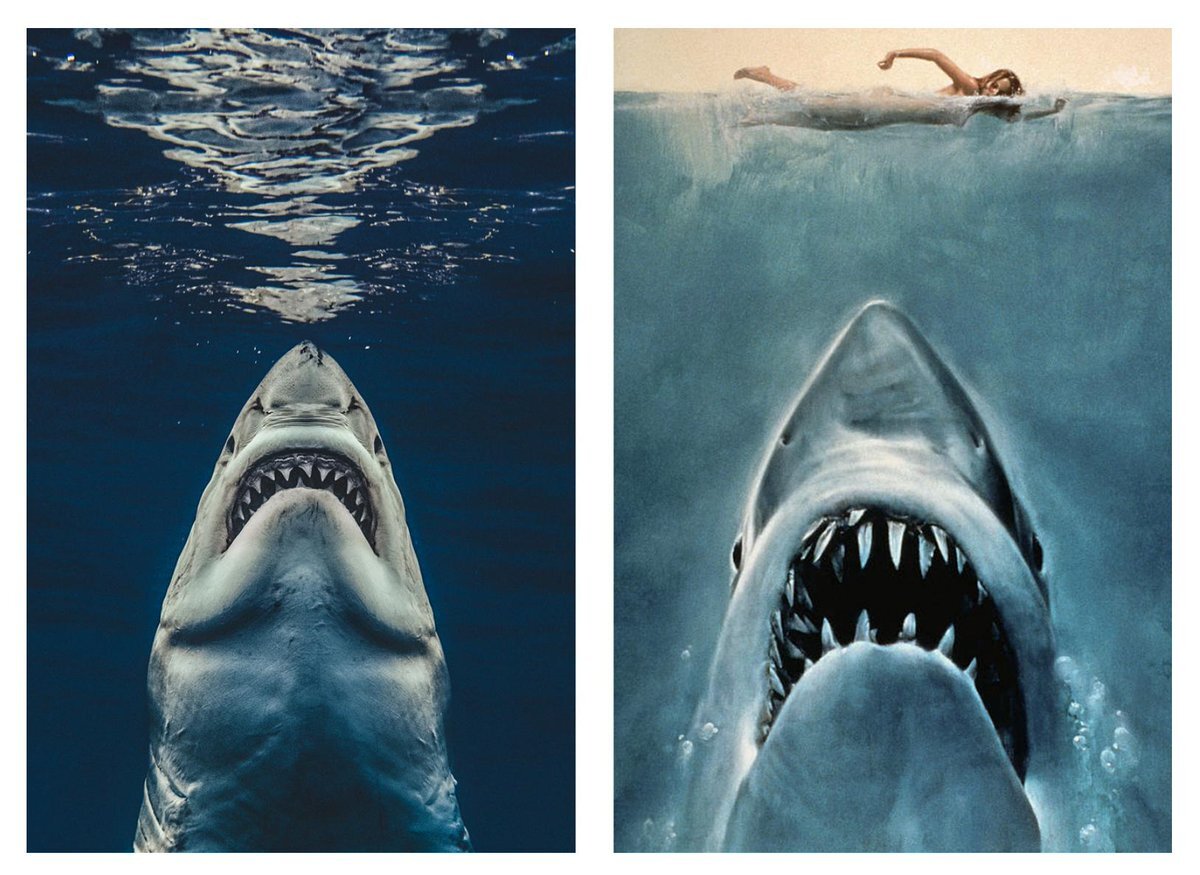
The shark on the Jaws poster isn’t a Great White — The Daily Jaws
Beach tourism dipped in some areas, shark hunting increased, and the phrase “summer blockbuster” entered the lexicon. The film turned a rare danger into a pop culture obsession, with endless parodies and references still appearing today. It showed how one movie could shape public perception and even environmental attitudes.
More Ways Films Leave Their Mark
These examples barely scratch the surface. Other films have influenced everything from fashion trends (The Devil Wears Prada) and wine sales (Sideways) to real-world activism and policy debates. Documentaries like Blackfish affected marine park practices, while stories of injustice have shifted public opinion and even laws.
Cinema reflects our world back at us but it also pushes it forward.
The cultural impact of specific films around the world reminds us that stories are powerful. They entertain, yes, but they also challenge assumptions, build empathy, and sometimes spark real change.