

Crop Damage Fraud Exposed: 9 Bankers, 3 Insurance Staff, and 32 Farmers Booked in Shocking UP Scam
The recent bust in Farrukhabad district has everyone talking: 9 bankers, 3 insurance staff, and 32 tillers booked for a clever crop damage fraud under the Prime Minister’s Crop Insurance Scheme (PMCIS). This isn’t just a headline—it’s a wake-up call on how scams erode trust in systems built for our backbone, the farmers. Let’s dive into what went down, why it matters, and what we can learn. Buckle up; this one’s got twists!
The Shocking Details of the Crop Damage Fraud Case
In the heart of Uttar Pradesh’s Farrukhabad district, a probe uncovered a Rs 68 lakh scam that exploited crop damage claims during the 2024 rabi season. It all started when the district magistrate spotted unusually high payouts—some over Rs 1 lakh—and ordered a deep dive. What they found? Fraudulent transfers to 35 ineligible farmers, including 14 who didn’t even own land!
The insurance company, HDFC Ergo, had covered 8,849 farmers and paid out Rs 2.28 crore to 232 claimants. But zoom in on Balipatti Rani gram panchayat in Amritpur tehsil: 14 landless folks pocketed Rs 24.89 lakh collectively, while one tiny landowner got Rs 2.57 lakh instead of the rightful Rs 2,228. It’s like claiming a mansion on a postage stamp—pure deceit.
This case echoes a bigger Rs 37 crore scam unearthed in Mahoba district, where 2.5 lakh fake farmers were created by marking rivers, hills, and jungles as farmland. Forged docs, misused land records, and premiums paid by conspirators to dodge suspicion. Scary how widespread this could be, huh?
How the Crop Damage Fraud Was Pulled Off
These scams aren’t rocket science—they thrive on loopholes and collusion. In Farrukhabad, claims were filed for non-existent or ineligible land, violating PMCIS rules that require actual ownership and verifiable damage. Bankers and insurance staff allegedly rubber-stamped inflated or fake applications, funneling money to tillers who weren’t entitled.
In the Mahoba twist, middlemen promised fake farmers 10-20% cuts or scheme perks, while agents from companies like IFFCO Tokio handled the dirty work. They altered names, addresses, and even brought in outsiders from MP, Rajasthan, and beyond, posing as UP locals. No beneficiary lists posted in villages? That’s how they flew under the radar.
Picture this: A riverbed listed as a lush field, or a hill as prime acreage—claims rolling in for Rs 2-4 lakh each. It’s clever, but at what cost? Real farmers lose out when funds dry up.
Here’s a quick breakdown of common tactics in such frauds:
- Fake Identities: Forged Aadhaar or land docs to create phantom farmers.
- Land Manipulation: Non-agri areas passed off as fields.
- Insider Help: Bankers and agents approving without checks.
- Premium Tricks: Conspirators footing premiums to keep it hush-hush.
Who Got Booked in This Crop Damage Fraud and Why?
The net widened quickly. In Farrukhabad, two FIRs were filed by the deputy director of agriculture, nailing:
- 9 Bank Managers: For facilitating bogus transfers.
- 3 Insurance Staffers: From HDFC Ergo, accused of approving shady claims.
- 32 Tillers (Farmers): The recipients, including those landless ones who cashed in.
In Mahoba, suspensions hit agriculture dept folks like portal assistant Atulendra Vikram and field clerk Devendra Rajput, plus a deputy director shuffled out. An insurance manager vanished after termination. Village pradhans and aides were in the mix too.
Why them? It’s all about accountability—these players allegedly bypassed verifications, turning a safety net into a slush fund.
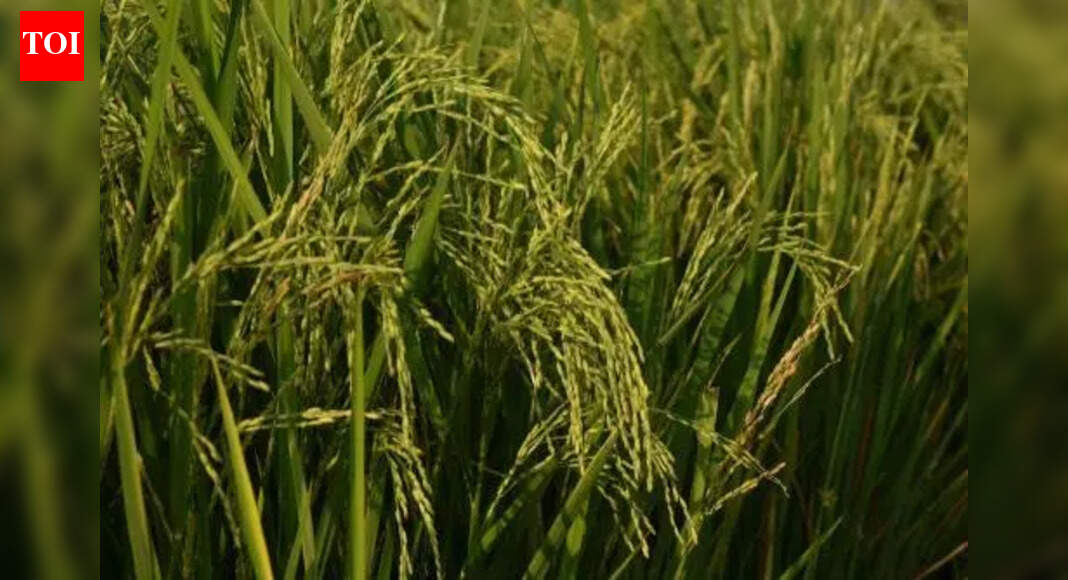
Visualize the chaos with this image of the scam’s epicenter:
Broader Implications for Indian Farmers and Crop Insurance
This crop damage fraud isn’t isolated—it’s symptomatic of deeper issues in India’s agri sector. With PMCIS aiming to shield 40% of farmers from losses, scams like these erode confidence. Real data: In Haryana earlier this year, 22 were nabbed in a similar insurance hustle. Nationwide, frauds siphon crores, delaying genuine payouts and hiking premiums.
For us Indians, it hits home—farmers already grapple with debt, climate woes, and low incomes. When trust breaks, fewer enroll, leaving them vulnerable. Plus, taxpayer money funds these schemes; fraud means we’re all paying the price.
Makes you think: Is our system robust enough, or do we need tech like blockchain for transparent claims?
What Can Be Done to Prevent Future Crop Damage Frauds?
Prevention starts with vigilance. Here’s some actionable food for thought:
- Stricter Verifications: Mandate geo-tagging and drone surveys for land claims.
- Public Transparency: Post beneficiary lists in villages and online.
- Tech Integration: Use AI to flag anomalies in applications.
- Farmer Education: Workshops on spotting scams and rightful claims.
- Harsher Penalties: To deter insiders from colluding.
Governments are stepping up probes like these show intent, but we need sustained action.