
Common Literary Terms Explained Simply: A Beginner’s Friendly Guide
What Are Literary Terms (and Why Should You Care)?
Literary terms (also called literary devices or elements) are the techniques writers use to add depth, emotion, rhythm, or surprise to their work. They’re not just for English class they help create vivid images, build tension, reveal character, and make themes pop.
Knowing them enhances your reading pleasure: you catch subtle hints, understand character motivations better, and appreciate the craft behind your favorite stories. Plus, spotting them is surprisingly fun, like finding Easter eggs in a movie!

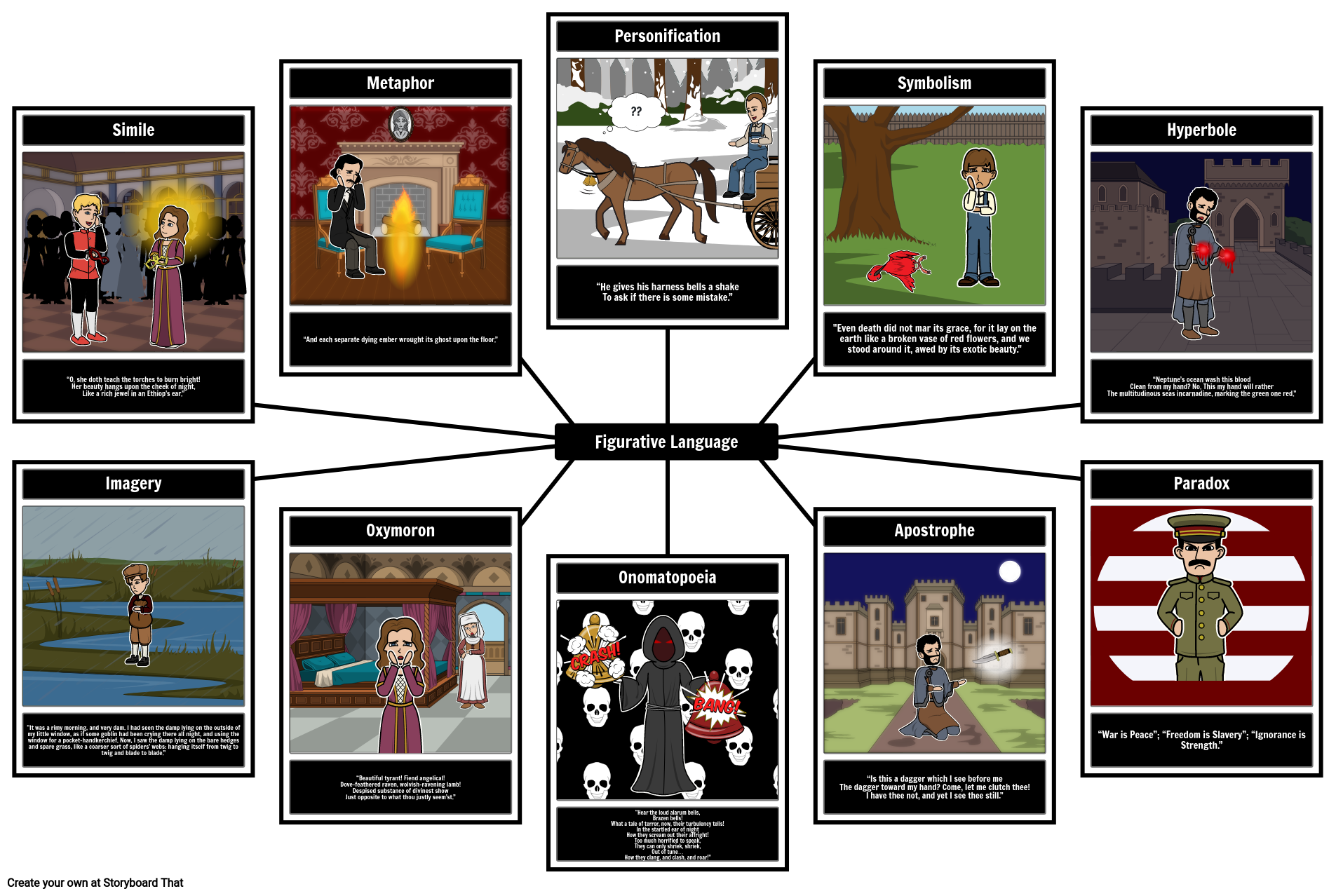
Metaphor and Simile: The Power of Comparison
These two are probably the most famous (and most mixed-up) literary terms.
- Metaphor: Says one thing is another to create a vivid picture. No “like” or “as.”
- Example: “Time is a thief.” (It steals moments from us without asking.)
- Simile: Compares two things using “like” or “as.”
- Example: “Her smile was as bright as sunshine.” (Clear comparison, easy to picture.)
Writers use these to make abstract ideas feel real. In Harry Potter, “Dementors are like depression” isn’t said outright—it’s shown through metaphors of cold and hopelessness.

Personification: When Things Come Alive
Personification gives human qualities to non-human things animals, objects, nature, ideas.
- Example: “The wind whispered through the trees” or “The old house groaned under the storm.”
This device makes the world feel alive and emotional. Think of how Disney movies personify everything from teapots to clocks it instantly creates charm and connection.

Alliteration: The Sound of Poetry
Alliteration is the repetition of the same beginning sound in nearby words.
- Example: “Peter Piper picked a peck of pickled peppers” or “wild and woolly weather.”
It creates rhythm, musicality, and memorability—super common in tongue twisters, brand names (Coca-Cola, Best Buy), and poetry. It makes lines roll off the tongue and stick in your head.
Irony: When Things Aren’t What They Seem
Irony happens when reality is the opposite of what’s expected. There are three main types:
- Verbal irony: Saying the opposite of what you mean (sarcasm is a form of this).
- Example: “Great weather!” you say during a downpour.
- Situational irony: When the outcome is the opposite of what’s expected.
- Example: A fire station burns down.
- Dramatic irony: The audience knows something the characters don’t.
- Example: In Romeo and Juliet, we know Juliet isn’t really dead—but Romeo doesn’t.
Irony adds humor, tragedy, or surprise. It’s everywhere in shows like The Office or books like The Gift of the Magi.

Foreshadowing: Hints About What’s Coming
Foreshadowing drops subtle clues about future events to build anticipation.
- Example: In a mystery novel, a character mentions a fear of heights early on… and later there’s a dramatic rooftop scene.
It makes rereads super rewarding you spot the clues you missed the first time!
Symbolism: Objects That Mean More
A symbol is something that stands for a bigger idea or emotion.
- Example: A dove often symbolizes peace; a red rose means love; in The Great Gatsby, the green light represents Gatsby’s unattainable dream.
Symbols add layers once you notice them, the story feels richer and more meaningful.
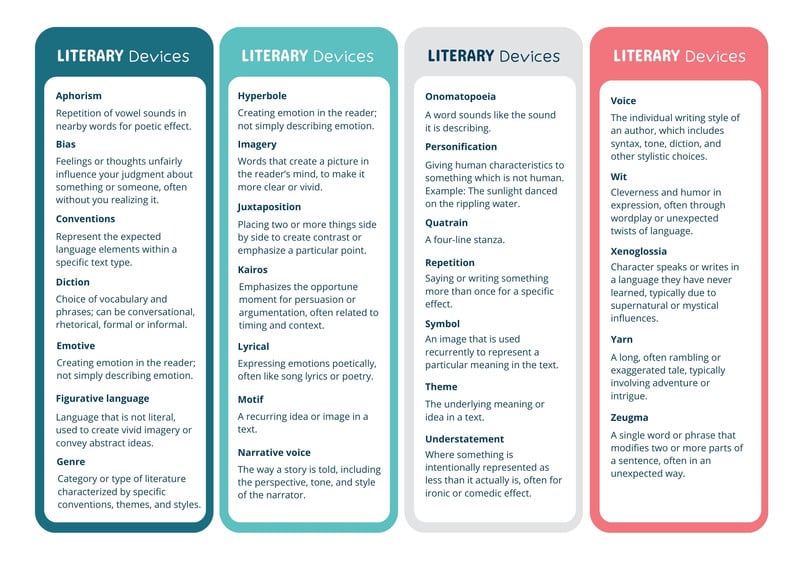
Bonus Quick Hits: A Few More Everyday Literary Terms
- Hyperbole: Extreme exaggeration for effect (“I’m so hungry I could eat a horse!”).
- Onomatopoeia: Words that sound like what they describe (“buzz,” “crash,” “sizzle”).
- Imagery: Vivid descriptive language that appeals to the senses (you can almost smell the rain or feel the cold).
These little tricks show up in songs, ads, speeches, and social media captions too!
Literary terms aren’t dusty academic stuff they’re the magic that makes stories sing. Once you start noticing them, reading (and watching movies) becomes a whole new adventure. You’ll catch deeper meanings, appreciate clever writing, and maybe even spot them in your own conversations.