
Busting Scientific Myths vs Facts: Truths Everyone Should Know in 2026
Common Scientific Myths Busted: Global Beliefs We All Hear
We Indians love our Bollywood movies, where heroes unlock “hidden brain power” or dodge lightning like pros. But let’s get real with the science. These myths are everywhere, from school chats to viral WhatsApp forwards. Here’s the truth, backed by facts.
Myth: We Only Use 10% of Our Brain
Ever heard this one? It’s like saying your smartphone only runs on one app! Movies like Lucy popularized it, but it’s total fiction. Fact: Brain scans show we use nearly all parts of our brain daily, even when resting. From dreaming about that perfect biryani to solving a tough puzzle, every bit fires up. Neurologists confirm through MRIs that damage to any area affects functions—no “unused” zones here.

Think about it: If we only used 10%, why do strokes or injuries mess up so much? Next time someone says this at a party, hit them with the facts—it’s a myth that won’t die!
Myth: Lightning Never Strikes the Same Place Twice
During monsoons in Kerala or thunderstorms in Delhi, we huddle indoors fearing that bolt. But does lightning play favorites? Fact: It absolutely can strike the same spot multiple times. Tall structures like the Empire State Building get hit dozens of times a year! Science says lightning follows the path of least resistance, so if a place is a good conductor, zap—it’s back.
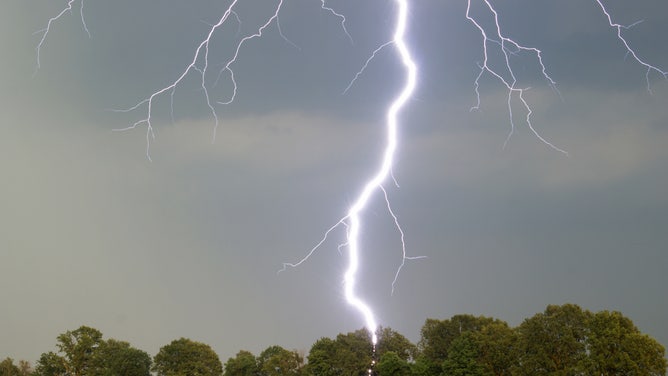
Relatable? Remember those viral videos of lightning hitting the same tree? Stay safe, but don’t bet on this myth for protection.
Myth: Bats Are Blind
Bats in Indian folklore often get a bad rap—think spooky caves in Rajasthan forts. But blind? Nope! Fact: Bats have decent eyesight, especially for low light. They use echolocation for hunting, but they can see just fine. Studies show some species even spot colors better than us at dusk.

Next Ganesh Chaturthi, when bats flutter around, appreciate their super senses instead of shooing them away.
Myth: The Great Wall of China Is Visible from Space
We’ve all heard this in geography class or from proud uncles. Fact: Astronauts say it’s not visible to the naked eye from low Earth orbit. It’s too narrow and blends with the landscape. Satellites can zoom in, but from the Moon? Forget it—NASA debunked this ages ago.

Cool trivia for your next ISRO-inspired chat: India’s rivers are more visible from space than that wall!
Indian Superstitions Meets Science: Myths vs Facts from Our Culture
India’s rich traditions often mix myth with practical wisdom. Many “superstitions” started as smart hacks for health or safety in ancient times. Let’s unpack a few with science.
Myth: Hanging Lemon and Chillies Wards Off Evil
A staple at shops in Mumbai markets or Ahmedabad homes. Fact: It’s not magic—lemons and chillies release compounds like capsaicin and citric acid that repel insects and pests. In hot, humid India, this natural pesticide kept food safe and homes bug-free.

Smart ancestors, right? Today, it’s more cultural, but the science holds up.
Myth: A Black Cat Crossing Your Path Brings Bad Luck
Pause everything if this happens on a Lucknow street! Fact: No scientific link to misfortune—it’s a cultural holdover from medieval Europe, mixed with Indian folklore. Cats are just nocturnal hunters; their color doesn’t doom your day.
Adopt a black cat—they’re as lucky as any pet!
Myth: Eclipses Are Caused by Demons—Stay Indoors!
During solar eclipses, like the ones we see in India, myths say a demon swallows the sun. Pregnant women hide, no cooking. Fact: It’s just the moon blocking the sun. Staying indoors protected eyes from harmful UV rays before glasses existed. Modern science: Use safe viewers!
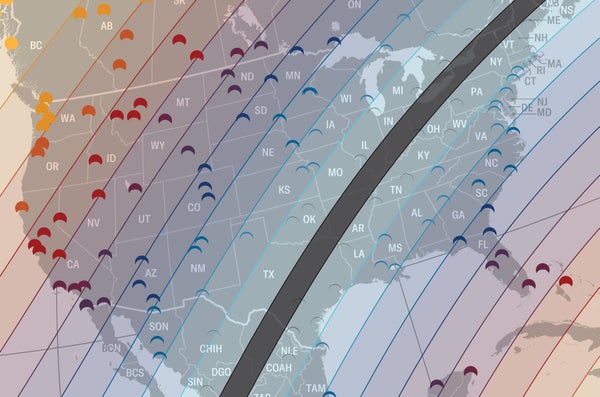
With ISRO’s space feats, let’s celebrate eclipses scientifically.
Myth: Don’t Sleep Under a Peepal Tree at Night
Tales of ghosts in villages warn against this. Fact: Peepal trees release CO2 at night (unlike daytime O2), which could make breathing stuffy in enclosed spots. Ancient wisdom to avoid poor air quality.
Respect the tree, but camp safely elsewhere.
Wrapping Up: Why Busting Myths Matters in India Today
From global brain teasers to our desi lemon tricks, these scientific myths vs facts show how curiosity beats blind belief. In a world of fake news and quick shares, questioning with science builds smarter choices—be it health, environment, or daily life. Our ancestors were onto something practical; now, we evolve it with evidence.