Anxiety Explained in Simple Terms: What It Really Feels Like and Why It Happens
What Is Anxiety, Really?
Think of anxiety as your built-in smoke detector. In small amounts, it’s helpful: it alerts you to danger, sharpens focus for a big presentation, or motivates you to study for a test. But when the alarm blares constantly even when there’s no fire that’s when it becomes a problem.
In simple terms, anxiety is a feeling of worry, fear, or unease about something that might happen (or might not). It’s future-focused: your brain scans for threats and prepares your body to handle them. Everyone feels it sometimes, but for some people, it sticks around too long or hits too hard, turning everyday life into a struggle.
Recent stats show just how common this is: around 4-5% of people worldwide live with an anxiety disorder, and in places like the US, nearly 1 in 5 adults experienced one in recent years. It’s the most common mental health challenge out there—yet so many of us still feel alone with it.

How Anxiety Shows Up: The Body and Mind Team Up
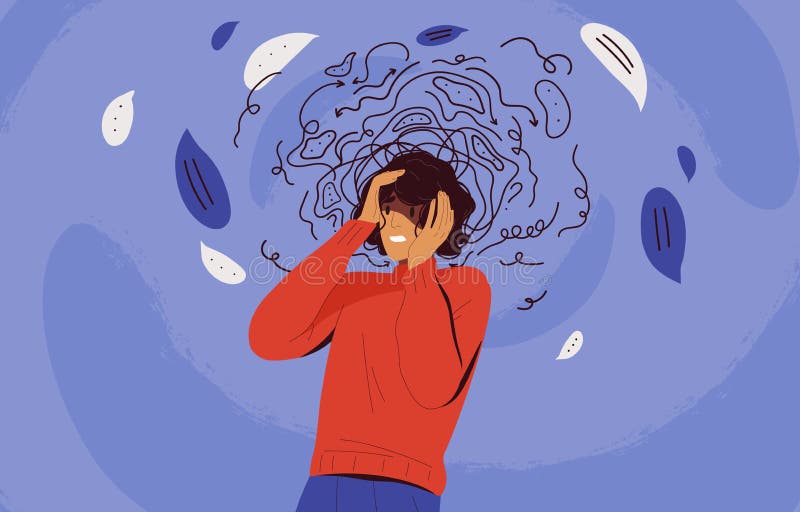
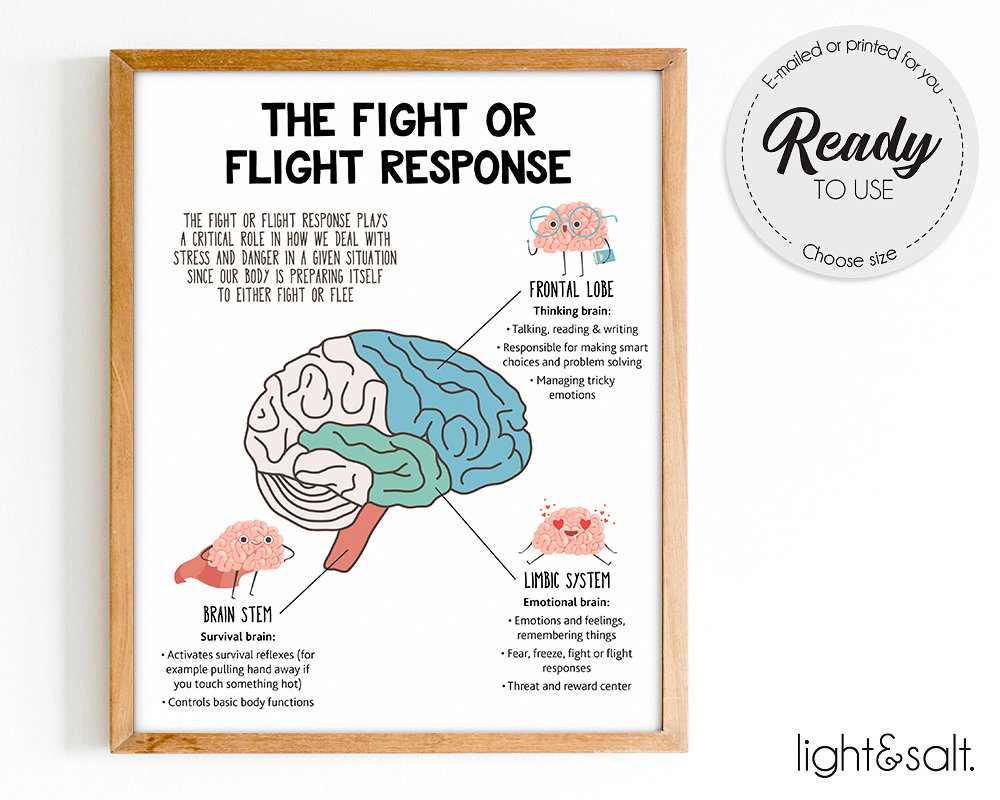
Anxiety isn’t just “in your head” it lives in your whole body. Your brain spots a potential threat (real or imagined), flips the switch on the fight-or-flight response, and suddenly you’re flooded with signals to run, fight, or freeze.
Common ways it appears:
- Racing heart or pounding chest
- Shortness of breath or feeling like you can’t get enough air
- Sweaty palms, shaky hands, or feeling hot/cold flashes
- Tense muscles, especially in shoulders, jaw, or stomach
- Racing thoughts: “What if I mess up?” “What if something bad happens?”
- Trouble concentrating or feeling like your mind is foggy
- Avoiding situations that trigger the feeling (like social events or driving)
These aren’t random they’re your body gearing up for action, just like it would if a bear appeared. The problem? Modern “bears” are deadlines, arguments, or uncertainty, so the alarm keeps ringing without a clear off switch.

Why Does Anxiety Happen? It’s Not Your Fault
Anxiety often comes from a mix of factors, no single cause, but common pieces include:
- Genetics: If anxiety runs in your family, you might be wired to feel it more intensely.
- Life experiences: Stressful events, trauma, or ongoing pressure (work, relationships, money) can turn up the volume.
- Brain chemistry: Sometimes the alarm system (like the amygdala, your brain’s fear center) gets extra sensitive.
- Everyday triggers: Too much caffeine, poor sleep, or constant news scrolling can keep the system on high alert.
The key? It’s a protective mechanism gone overboard, not a character flaw. Your brain is trying to help it just needs some recalibration.
Quick Ways to Turn Down the Volume
You don’t have to wait for it to vanish completely. Small tools can help right away:
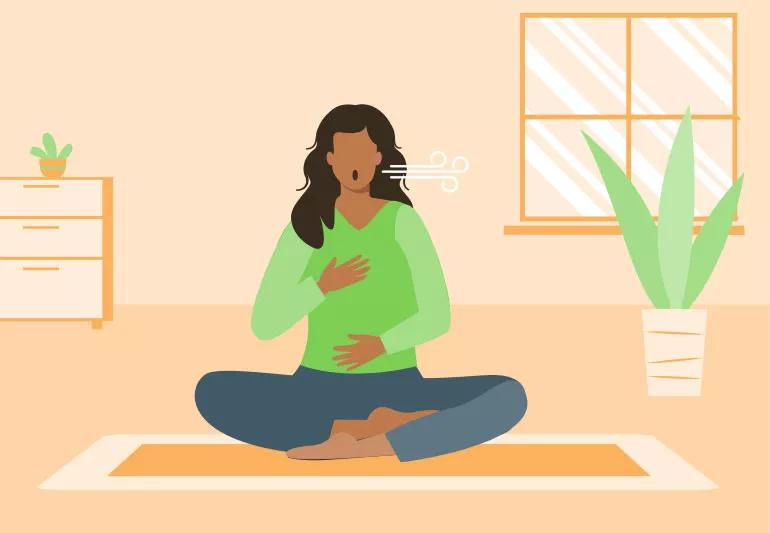
- Breathe slowly: Try the 4-7-8 method, inhale for 4 seconds, hold for 7, exhale for 8. It tells your body “we’re safe.”
- Ground yourself: Name 5 things you see, 4 you can touch, 3 you hear, 2 you smell, 1 you taste.
- Move your body: A short walk or stretch shifts energy out of the panic loop.
- Talk back to the worry: Ask, “Is this thought helpful right now?” Often it’s not.
These aren’t cures, but they interrupt the cycle and give your thinking brain a chance to catch up.

americanmigrainefoundation.org
Anxiety Doesn’t Have to Run the Show
Understanding anxiety in simple terms strips away some of its mystery and shame. It’s a signal not a sentence. Most people feel better with the right support: talking to a friend, trying therapy (like CBT), or sometimes medication if needed. The first step is often just recognizing it for what it is: a loud but well-meaning alarm.
You’re not broken if anxiety shows up. You’re human. And humans can learn to turn the volume down.