Animal Communication Uncovered: Whale Songs, Bee Dances, and the Secret Talks of the Wild
The Melodic Mysteries: Whale Songs as Ocean Operas
Deep in the blue, humpback whales belt out tunes that could rival a Grammy winner complex songs lasting up to 30 minutes, evolving like hit singles passed between pods. These aren’t random riffs; they’re dialects for mating calls, social bonding, and even navigation over miles of ocean. Scientists have decoded how males “remix” themes to woo females, with songs traveling farther than a tweet ever could.
Picture a solo humpback crooner: His vibrations ripple through water, drawing a chorus from afar. Recent studies show these songs shift yearly, like fashion trends, helping pods stay synced amid vast seas. It’s thought-provoking: In a noisy world of ship engines drowning them out, are we silencing their greatest hits? This slice of animal communication reminds us oceans hum with stories we barely hear.

Bee Dances: The Waggle That Maps a Feast
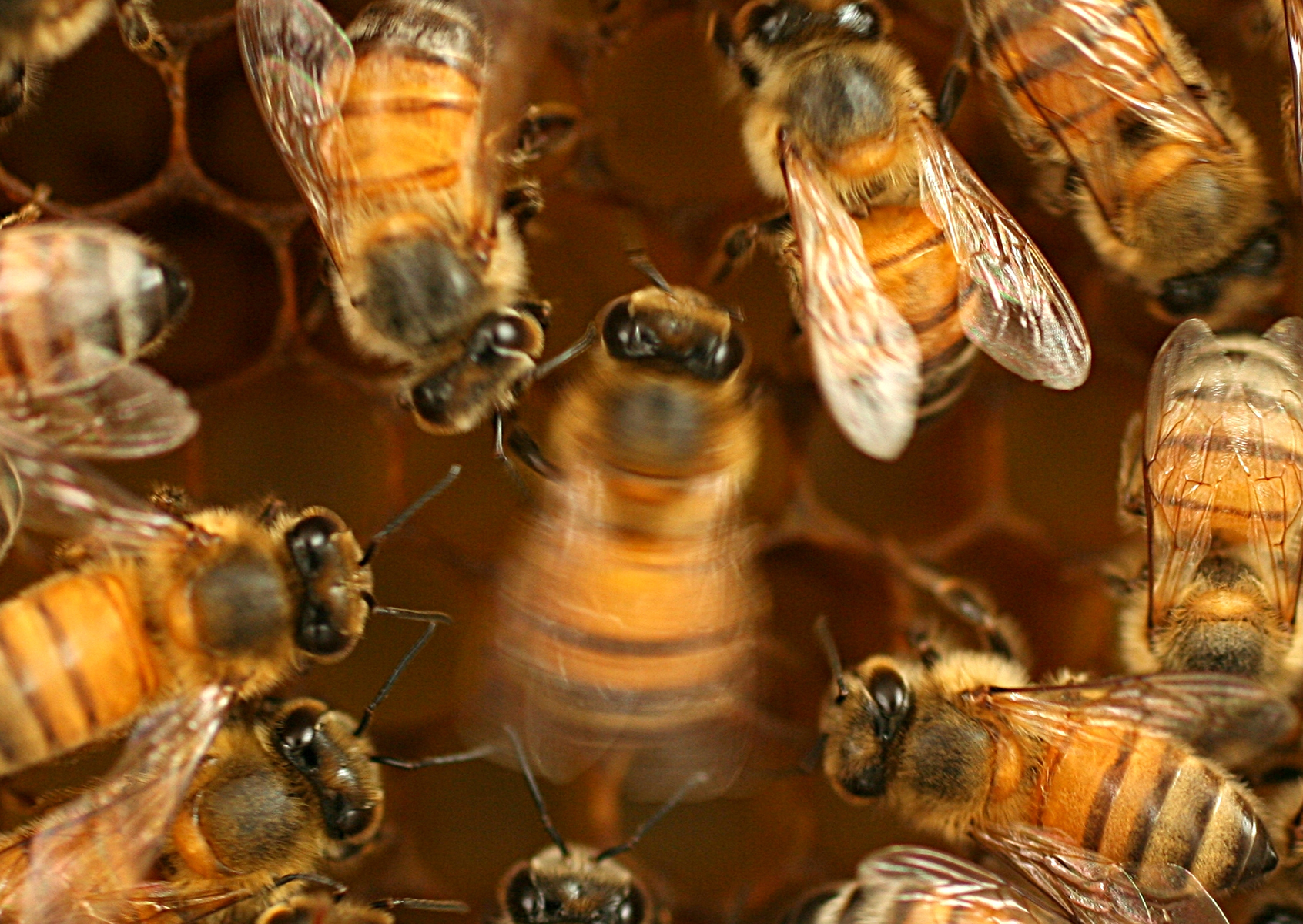
If whale songs are symphonies, bee dances are the ultimate GPS demo—tiny, precise wiggles that shout “food this way!” Honeybees perform the “waggle dance” inside the hive, shaking their bodies in figure-eights to signal direction, distance, and sweetness of nectar spots. A straight run means “go straight,” while loops add “turn left at the oak.”
New research reveals these aren’t solo acts; bees tweak dances based on hive feedback, like a group chat refining plans. One scout bee might rally hundreds, turning a pollen patch into a buzzing buffet. Relatable? It’s like your friend hyping that new café with wild gestures over coffee. In the chaos of a hive (home to 50,000+ bees), this dance keeps the colony fed and thriving—proof animal communication thrives on teamwork, even without words.
Elephant Rumbles: Names, Bonds, and Family Whispers
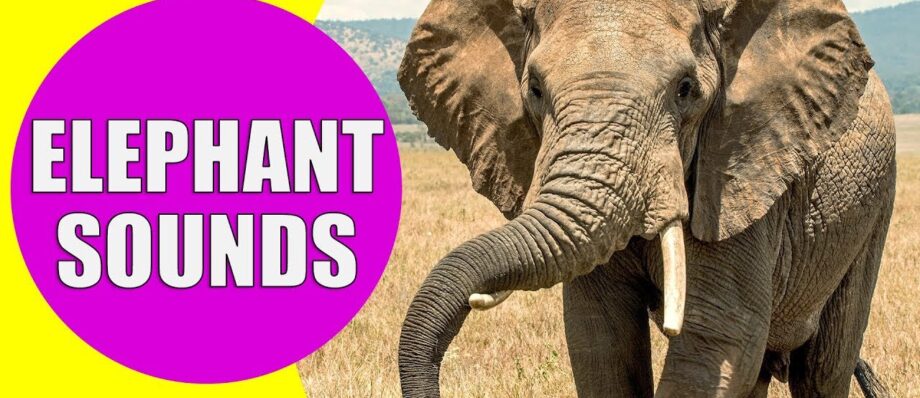
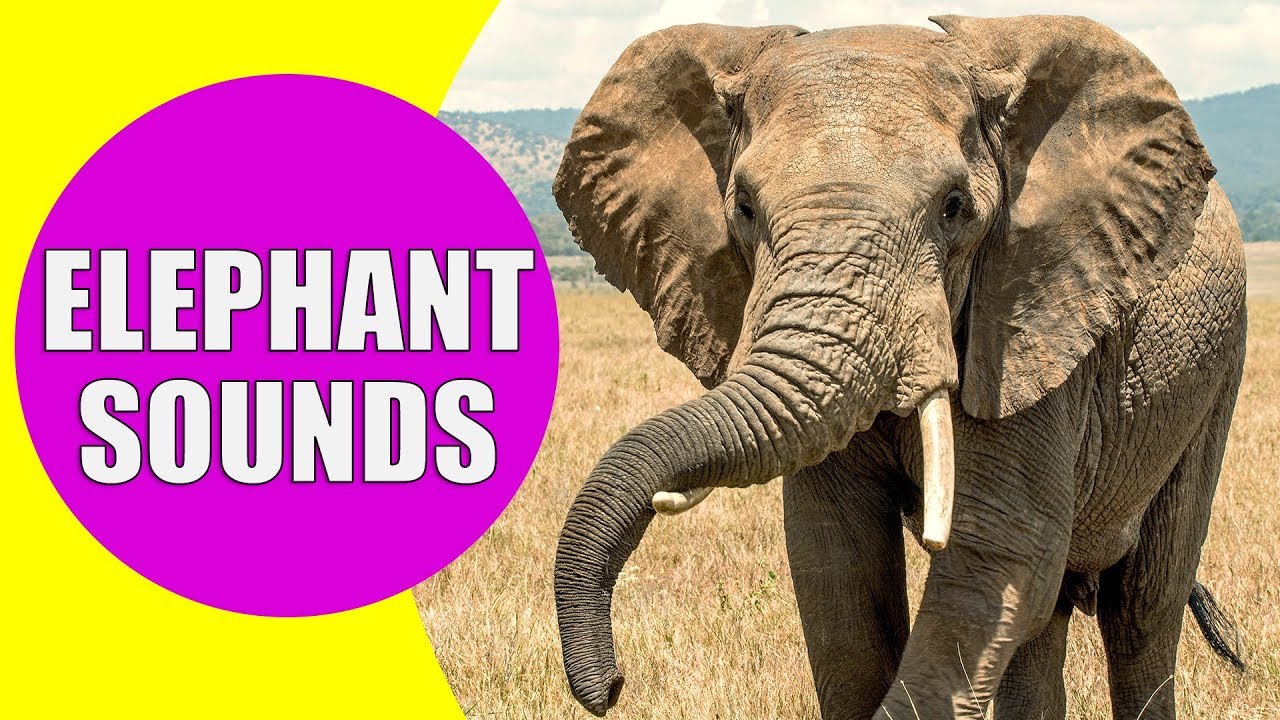
Elephants don’t trumpet for show; their low-frequency rumbles—inaudible to us but felt through the ground—carry “names” for loved ones, like personalized ringtones across savannas. These infrasound calls, rich and harmonic, alert family members to danger, coordinate migrations, or just say “I’m here.”
Imagine a matriarch’s rumble rippling through the herd, her unique inflection pinging calves like a family group text. Studies confirm elephants mimic voices for specific elephants, strengthening bonds in pods that remember grudges (and friends) for decades. With poaching silencing too many, this intimate chatter underscores why protecting habitats preserves not just animals, but their languages too. Heart-tugging, right? Animal communication here feels almost human—deep, emotional, eternal.
Dawn Choruses and Bird Calls: Nature’s Morning Radio
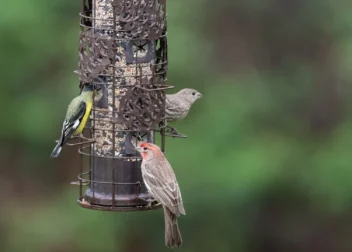
As sun cracks the horizon, birds unleash a dawn chorus—a feathered frenzy of tweets, trills, and warbles claiming turf and flirting shamelessly. Cardinals belt solos for mates, while robins duet to ward off rivals, their songs laced with personal flair like signatures.
Data shows these calls peak in breeding season, with urban birds adapting louder pitches to drown out traffic hum. It’s a relatable racket—think your neighborhood’s early-morning coffee klatch, but with wings and zero small talk. This burst of animal communication isn’t chaos; it’s a survival soundtrack, reminding us how sound shapes territories and ties.

Ant Pheromone Trails: Silent Highways of Scent
No voices? No problem for ants, who lay pheromone breadcrumbs—chemical whispers—that scream “jackpot!” to the colony. A forager drops scent markers en route to food, creating a superhighway that fades once the snack’s claimed.
Fascinating fact: Alarmed ants spike “panic pheromones” for instant evacuations, rallying raids in seconds. One trail can guide thousands, turning solo scouts into a synced swarm. It’s the ultimate low-key animal communication—invisible, efficient, and a nudge that even the smallest critters run on info superhighways.

Beyond the Buzz: What Animal Communication Teaches Us
From whale songs echoing ancient epics to bee dances plotting precise paths, animal communication isn’t mimicry—it’s mastery. These methods—sound, scent, shake—reveal a world wired for connection, warning, and wonder, all without a single emoji. Research keeps unraveling more: Dialects evolve, signals adapt to threats like climate noise, urging us to quiet our footprint.
It sparks a fun reflection: If bees can choreograph hunts and elephants name-drop kin, what “languages” are we missing in our own backyards? Next walk, tune in—those squirrels might be spilling secrets.