
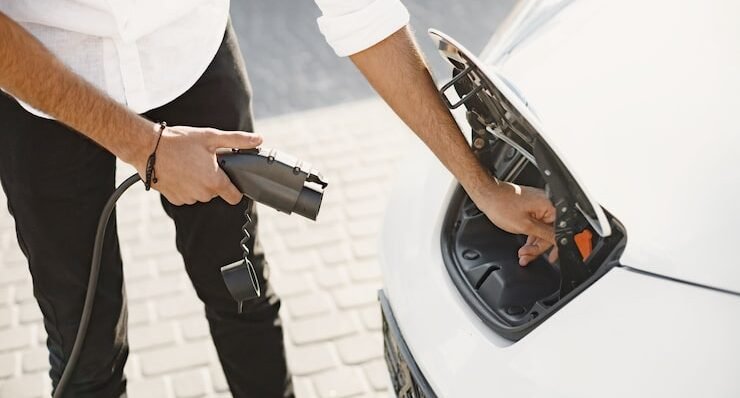
Hybrid vs Electric vs Petrol: What’s Best for You?
Petrol Cars: Simple, Familiar, and Still Practical
Petrol (gasoline) vehicles remain the easiest option for many drivers. You fill up in minutes almost anywhere, the upfront price is usually the lowest, and the used market is huge. There’s no learning curve and no dependency on charging infrastructure.
Strengths
- Lowest purchase price in most segments
- Fast, widespread refuelling
- Excellent for frequent long-distance driving
- Wide variety of models and price points
Trade-offs
- Highest fuel costs over time
- More maintenance (oil changes, exhaust, more moving parts)
- Higher emissions
Petrol makes sense if you drive high annual miles on highways, lack reliable home charging, or want the cheapest entry point and plan to keep the car only a few years.
Hybrid Cars: The Practical Middle Ground
Standard (self-charging) hybrids combine a petrol engine with an electric motor and a small battery that recharges itself through regenerative braking and the engine. You never plug them in. They shine in city and stop-start traffic, where the electric motor handles low speeds and the system recovers energy that would otherwise be wasted.
Strengths
- Noticeably better fuel economy than pure petrol, especially around town
- No charging required drive exactly like a normal car
- Lower emissions than petrol equivalents
- Usually only a modest price premium over petrol versions
- Strong reliability record from established makers
Trade-offs
- Efficiency gains shrink on long motorway runs
- Slightly higher purchase price and sometimes less boot space
- Still uses petrol and produces some emissions
Hybrids are ideal for mixed driving, people who want lower fuel bills without changing habits, and anyone not ready (or able) to rely on charging.
Plug-in hybrids (PHEVs) add a bigger battery you can charge. They offer 20–50+ miles of electric-only range for daily commuting, then switch to petrol for longer trips. They only deliver big savings if you actually plug them in regularly.
Electric Vehicles: Lowest Running Costs When the Setup Works
Fully electric cars run solely on battery power. When you can charge at home (especially overnight or on cheap rates), the cost per mile is typically the lowest of the three. Maintenance is also simpler no oil, fewer fluids, less brake wear thanks to regenerative braking.
Strengths
- Cheapest “fuel” costs with home charging
- Lowest maintenance needs
- Zero tailpipe emissions and quiet, smooth performance
- Instant torque and often strong acceleration
- Growing model range and improving real-world range (many now 250–400+ miles)
Trade-offs
- Higher upfront price (though total cost of ownership can be competitive or better over time)
- Dependence on charging access home charging is a big advantage
- Longer “refuelling” stops on road trips compared with petrol
- Public charging can be more expensive and occasionally less convenient
EVs suit drivers with regular home (or workplace) charging, mostly local or regional driving, and a willingness to plan longer journeys around chargers. Many two-car households pair an EV for daily use with a petrol or hybrid for occasional long trips.
Home charging turns an electric car into a low-cost daily driver for many people.
Quick Decision Guide
- Mostly short trips, can charge at home, keep cars longer → Electric often wins on total cost and convenience.
- Mixed driving, no reliable charging, want better economy without hassle → Hybrid is frequently the sweet spot.
- Frequent long highway trips, limited charging options, tight budget upfront → Petrol remains practical.
- Daily commute under ~40 miles + occasional long trips + home charging → Plug-in hybrid can be a strong compromise.
Also weigh insurance quotes, potential incentives, residual values, and local electricity versus fuel prices. Real world total cost of ownership studies often show EVs pulling ahead over 8–15 years when home charging is available, while hybrids beat pure petrol for most average drivers.
The Bottom Line
Hybrid vs electric vs petrol isn’t about which technology is “best” in absolute terms. It’s about which one fits your parking situation, daily mileage, travel patterns, and tolerance for new habits. Many drivers discover that a hybrid delivers most of the efficiency benefits with almost none of the lifestyle change, while others find that once home charging is sorted, an electric car feels simpler and cheaper day to day.