
Closet Organization Tips That Actually Work (No Fancy Systems Required)
We’ve all stood in front of a stuffed closet and muttered, “I have nothing to wear.” The clothes are there somewhere but finding them feels like an archaeological dig. Shoes are buried, hangers are mismatched, and that favorite sweater has somehow migrated to the floor. The frustration is real, and it steals time and mental energy every morning.
The good news? You don’t need a full remodel or expensive custom system to fix it. The closet organization tips that actually work focus on editing what you own, creating simple systems, and making the space easy to maintain. Research even shows that reducing visual clutter can lower stress and improve daily mood your closet is a high-impact place to start.
Here’s a realistic, step-by-step approach that delivers lasting results.
Start With a Complete Empty-Out (Yes, Everything)
Pull every single item out of the closet. Clothes, shoes, bags, the random box of mystery cables everything. This is non-negotiable. Seeing the empty space and the full pile of stuff forces honesty. Wipe down the shelves and rods while you’re at it. A clean slate makes the next decisions clearer and the finished closet feel dramatically better.
Declutter Ruthlessly, But Kindly
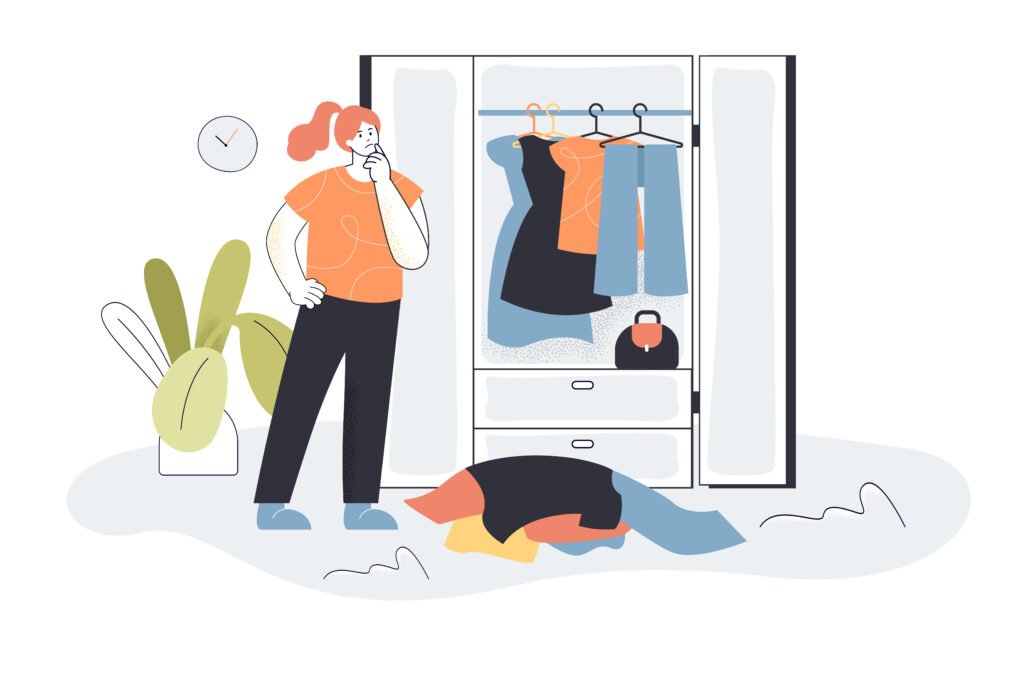
This is where most people get stuck, so use simple rules that remove the emotion:
- The one-year rule: If you haven’t worn it in the past year (and it isn’t a special-occasion piece), let it go.
- The five-outfit test: Can you easily create at least five different looks with this piece? If not, it’s probably not earning its keep.
- The backwards-hanger trick: Turn all hangers the same direction. When you wear something, reverse the hanger. After a few months, anything still facing the original way is a strong candidate for donation.
Make four piles: keep, donate/sell, repair, and trash. Be honest about fit, condition, and whether you actually like wearing the item. Many people feel lighter the moment the donation bags leave the house.
Categorize Everything and Group Smartly
Once you’ve edited, sort the keepers by category: tops, bottoms, dresses, outerwear, activewear, etc. Then go a step further group by color within each category or by frequency of use. Eye-level space should hold what you reach for most often. Seasonal or rarely worn pieces go higher or lower.
This system turns “I can’t find it” into “I know exactly where it lives.”
Choose the Right Hangers and Maximize Vertical Space
Swap every mismatched plastic and wire hanger for slim, uniform ones velvet or felt-covered styles are popular for a reason. They prevent slipping, create a calm visual line, and can free up significant rod space (some organizers estimate up to 30 percent more capacity).
Hang items that wrinkle easily: blouses, dresses, tailored pants, structured jackets. Fold the rest sweaters, T-shirts, jeans, and knits using the vertical “file fold” method so they stand upright in drawers or on shelves. You can see every item at a glance and avoid the toppled stack problem.
Add shelves if you can, use the back of the door for hooks or an over-the-door organizer, and consider a second rod if height allows. Double hanging rods instantly expand short-item storage without eating floor space.
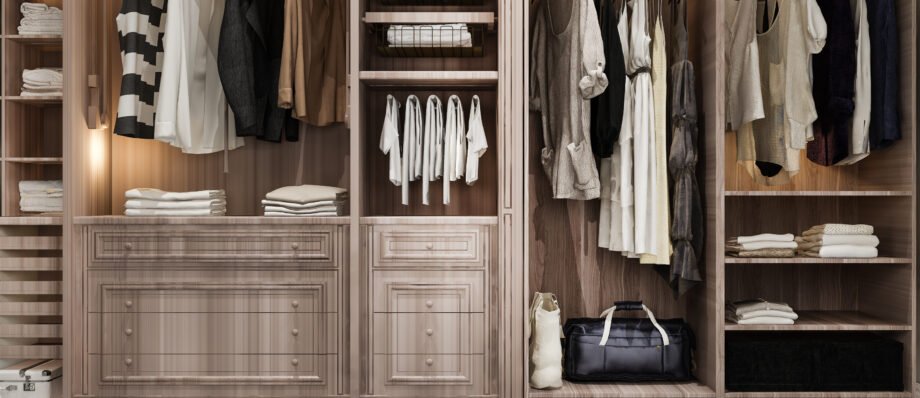
Uniform hangers and clear categories make a closet feel calm and functional.
Give Shoes, Bags, and Accessories Dedicated Homes
Shoes on the floor create instant visual chaos. Use clear bins, angled shelves, cubbies, or a simple rack so every pair is visible and protected. Store bags upright or on shelves so they hold their shape. Belts, scarves, and jewelry belong in drawers, on hooks, or in small labeled bins never loose on a shelf where they disappear.
Rotate Seasonally and Leave Breathing Room
When the weather changes, pack away off-season clothes in labeled bins or under-bed storage. This frees prime real estate for what you’re actually wearing right now. Professional organizers often recommend leaving at least 15–20 percent of the space empty. Overflow is the enemy of order; a little breathing room keeps the system working.
Maintain With Tiny Daily Habits
The best closet organization tips that actually work include upkeep:
- Put clothes away the same day (or at least the same evening).
- Do a quick five-minute tidy once a week.
- When something new comes in, something old goes out.
- Revisit the edit seasonally or whenever the closet starts feeling tight again.
These small habits prevent the slow creep of clutter that undoes all your hard work.
Why This Matters Beyond Looking Pretty
An organized closet does more than speed up getting dressed. Studies link cluttered environments to higher stress, reduced focus, and lower feelings of well-being. Opening a calm, functional closet each morning can quietly improve your mood and sense of control. Many people report feeling more “on their game” when their clothes are easy to see and access.
You don’t need perfection. You need a system that matches how you actually live. Start with the empty-out, be honest during the edit, create clear homes for everything, and protect the space with simple habits. The difference is noticeable the first time you open the door and everything is exactly where it should be.
What’s the one closet frustration you’re ready to tackle first? Grab a couple of donation bags this weekend and begin. Your future self standing in front of a calm, usable closet will thank you.