
Hidden Meanings in Classic Novels: The Symbols and Secrets That Make Them Timeless
The Great Gatsby: The Green Light and the American Dream That Slips Away
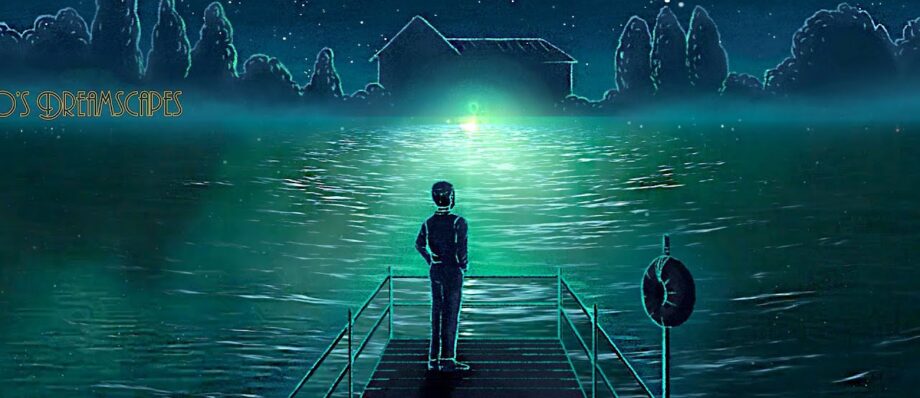
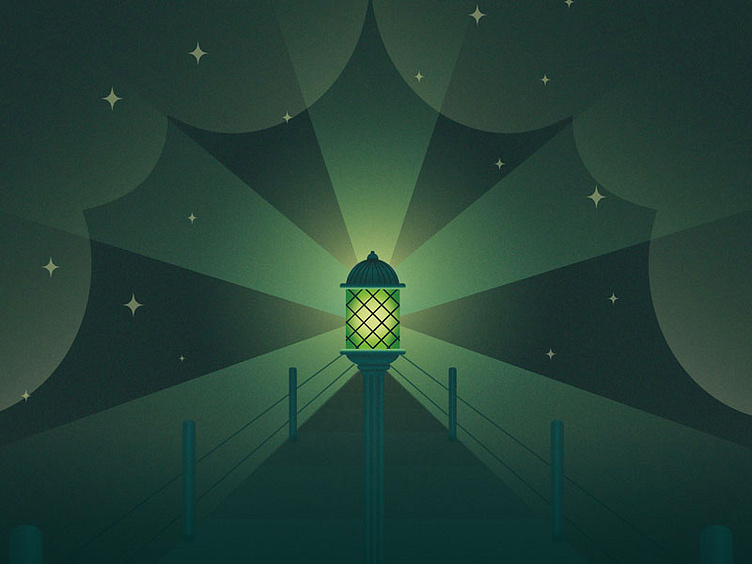
The green light across the bay looks like a simple beacon at first. But it’s one of the most famous symbols in literature: Gatsby’s unreachable dream of wealth, love, and the perfect life. It’s always glowing just out of reach, exactly like the American Dream itself beautiful from afar, disappointing up close.
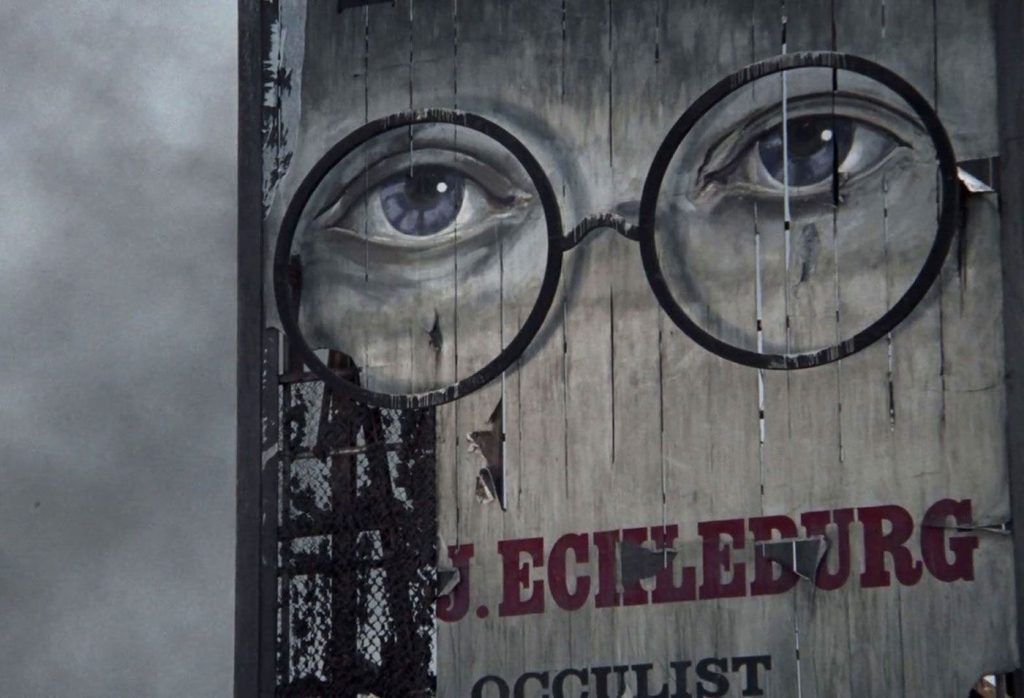
Then there are the giant eyes of Dr. T.J. Eckleburg on the billboard. They watch over the valley of ashes like a silent god (or the cold stare of society) while the rich destroy everything around them. Fitzgerald never spells it out, but once you see it, the book feels like a quiet warning about the Roaring Twenties and maybe our world today.

1984: Big Brother Is Watching and Shaping Reality
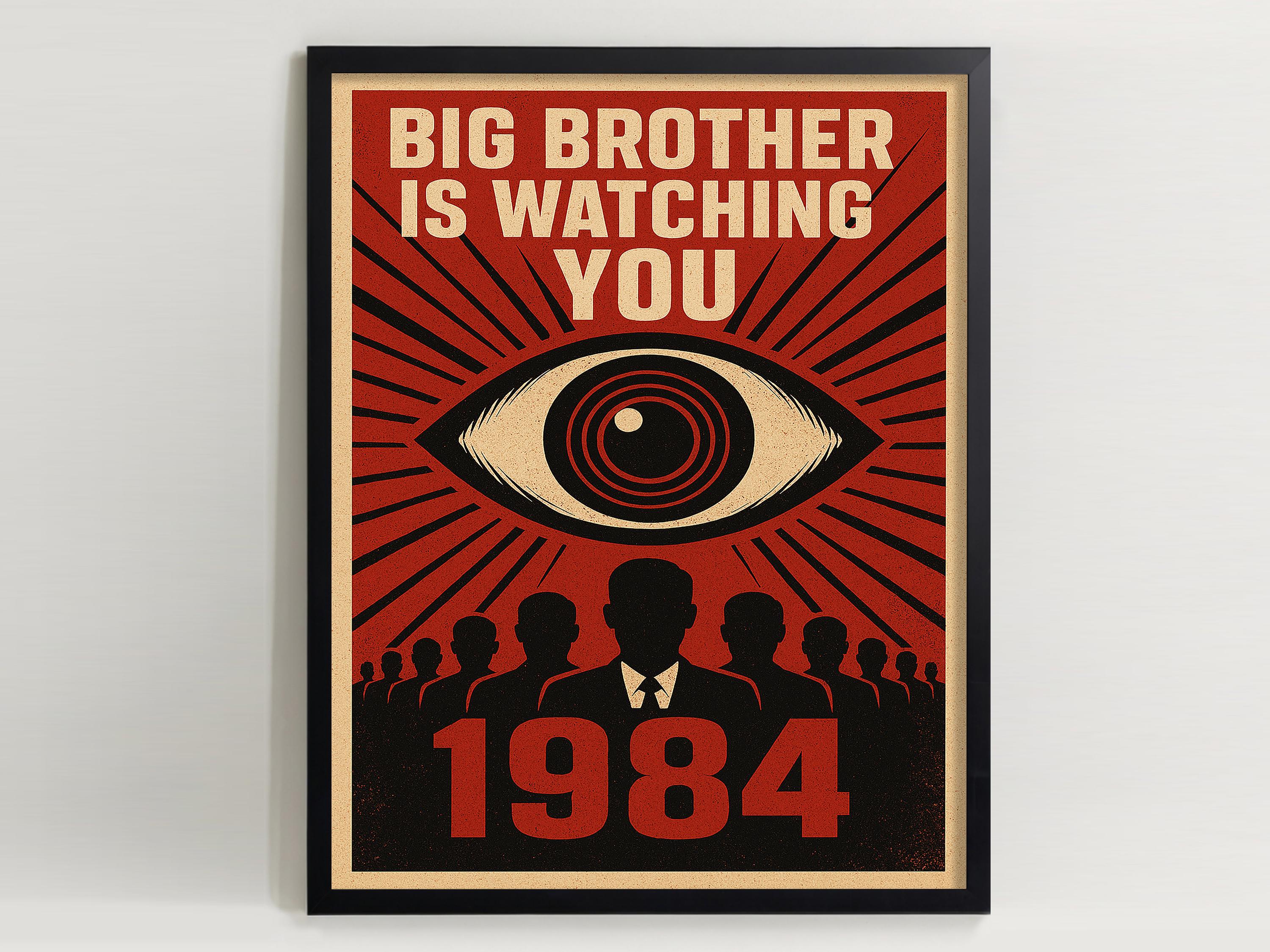
George Orwell’s dystopia is packed with hidden meanings that feel almost too relevant. “Big Brother” isn’t just a scary face on posters—it stands for total government control and constant surveillance. The telescreens? A chilling preview of how technology can watch our every move.
Even the language itself Newspeak is a weapon. By shrinking words and eliminating ideas, the Party controls what people can think. Orwell wrote it as a warning in 1949, but readers today still see echoes in propaganda, fake news, and privacy erosion. It’s one of those books where the hidden meanings make your skin crawl.

Animal Farm: Talking Pigs and the Corruption of Power
On the surface, it’s a charming tale about animals taking over a farm. Peel back the layers, and it’s a razor-sharp allegory for the Russian Revolution. The pigs (especially Napoleon) represent the leaders who promise equality but quickly become worse than the humans they replaced.
The changing commandments and the final line “All animals are equal, but some animals are more equal than others” are brutal hidden meanings about how ideals get twisted. Orwell used farm animals to make a serious political message feel accessible and unforgettable.


To Kill a Mockingbird: The Mockingbird as Lost Innocence
Harper Lee’s single powerful line “It’s a sin to kill a mockingbird”—carries the entire hidden meaning of the novel. Mockingbirds symbolize innocent, harmless creatures (and people) who do no wrong yet still get destroyed by prejudice and fear. Tom Robinson and even Boo Radley fit this perfectly.
The symbol runs through the whole story, teaching Scout (and us) to walk in someone else’s shoes and protect what’s vulnerable. It’s a quiet but devastating commentary on racism and moral courage in the American South.


Lord of the Flies: The Real Monster Isn’t Out There
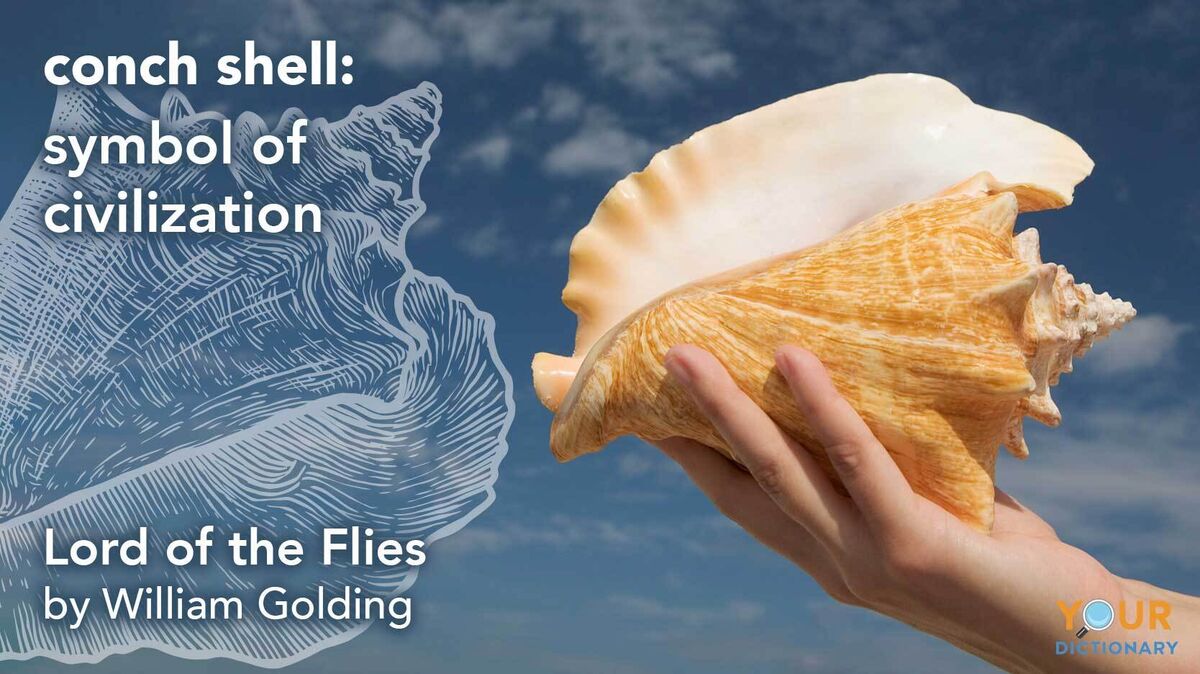
The boys stranded on the island seem to be fighting an external beast. The hidden meaning? The beast is inside them. The conch shell stands for civilization and order, while the pig’s head on a stick (the Lord of the Flies) represents the darkness and savagery that emerges when rules disappear.
Golding wasn’t writing about kids on vacation he was showing how thin the line is between polite society and chaos. It’s a haunting look at human nature that still sparks debates in classrooms everywhere.
How to Spot Hidden Meanings on Your Own
Start noticing recurring objects, colors, character names, or odd details. Ask: Why does this keep showing up? What might it represent? A second read with an open mind (or a quick online discussion) often reveals everything. The best part? The meanings feel personal different for every reader.

Literature Symbols Stock Illustrations – 4,228 Literature Symbols Stock Illustrations, Vectors & Clipart – Dreamstime
Classics Keep Giving, if You Look Closer
Hidden meanings in classic novels aren’t there to trick us or make us feel dumb. They’re invitations to think deeper, question the world, and see ourselves more clearly. That’s why these books never really end—they grow with every reread.