
Unlock Elite Performance: Training Routines of Elite Athletes That Will Blow Your Mind
The Core Pillars of Elite Athlete Training Routines
Before we dive into specifics, know this: Elite training isn’t random. It’s built on four pillars endurance, strength, speed/agility, and recovery that stack up like a pro’s playlist. Data from top performers shows they log 20-30 hours weekly, but it’s the quality that counts. A study on Olympic hopefuls found that consistent, varied sessions boost performance by up to 15% over monotonous workouts.
Think of it as your fitness symphony: mix high-intensity bursts with steady builds, and always tune in to your body.

Michael Phelps: Conquering the Pool with Relentless Volume
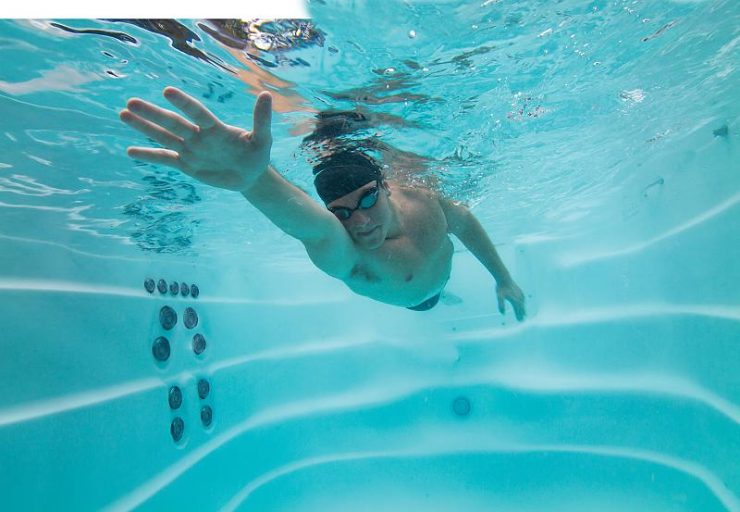
Michael Phelps didn’t just win 23 gold medals he redefined endurance. His training routine? A beastly 5-6 hours daily in the water, split into morning and afternoon sessions. We’re talking 80,000 meters a week, focusing on drills like freestyle sprints and pull sets to build that signature Phelps glide.
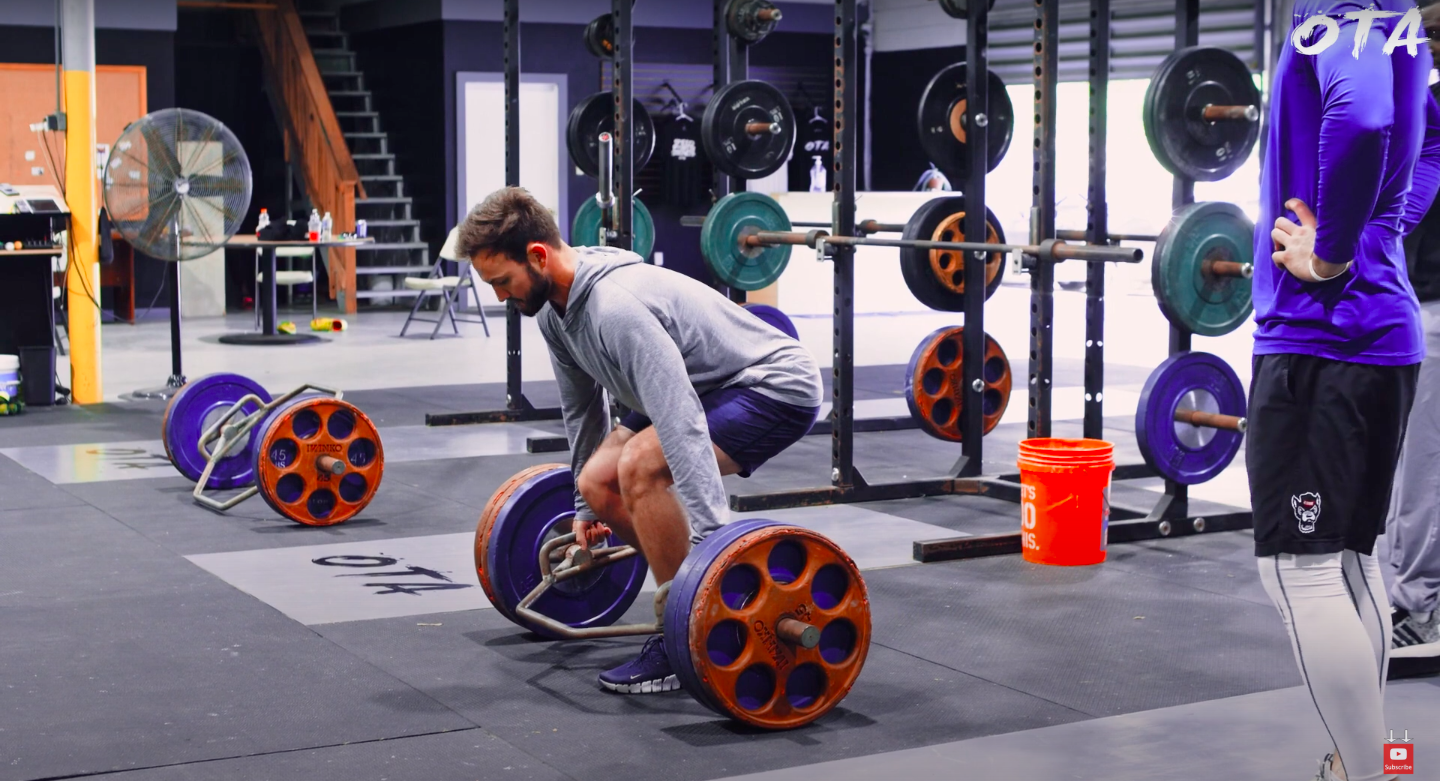
But it’s not all laps. He layered in three weekly weight sessions—think core circuits, deadlifts, and shoulder presses to handle the torque of butterfly strokes. And his diet? A whopping 12,000 calories to fuel the fire, heavy on carbs and protein.
What I love: Phelps treated recovery like a sixth event ice baths, massages, and 8-10 hours of sleep. For us mortals, try scaling it: 30-minute swims twice a week plus bodyweight planks. You’ll feel unbreakable.

Usain Bolt: Sprinting to Glory with Explosive Power
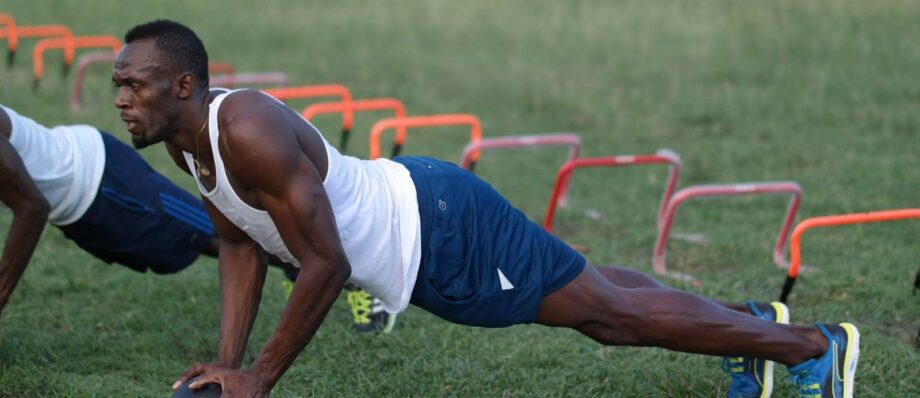
The fastest man alive didn’t just run he exploded off the blocks. Usain Bolt’s training routines revolved around 6 days a week of track work, blending 90-minute gym sessions with 2-hour sprint drills. Picture this: acceleration phases with resisted sprints, top-speed strides over 60 meters, and plyometrics like box jumps to mimic that lightning start.
Strength was key squats, cleans, and core blasts to power those long strides (his 6’5″ frame is a sprinter’s dream). He even threw in yoga for flexibility, keeping injuries at bay during his 11-month grind.
Fun fact: Bolt’s secret sauce? Playfulness. He’d race teammates for laughs, turning reps into rivalries. Adapt it: Add hill sprints or kettlebell swings to your runs. In a month, you’ll shave seconds off your personal best trust me, I tried, and it lit a fire.


Serena Williams: Tennis Domination Through Agility and Grit
Serena Williams turned courts into battlegrounds with a routine that’s equal parts power and precision. Her days kicked off with tennis drills alongside sister Venus volleys, footwork ladders, and match simulations for 3-4 hours. Afternoons? HIIT circuits: battle ropes, agility cones, and cardio swims to torch fat while building explosive legs.
Strength training rounded it out deadlifts, lunges, and med ball slams, 3x weekly, to sling those 120-mph serves. Post-2020, she amped up yoga and Pilates for that signature core stability.
Her edge? Mental reps visualizing aces before bed. It’s relatable: I once mimicked her shadow swings during a rainy commute, and my next game felt sharper. Start with 20-minute agility drills; your quickness will thank you.
Eliud Kipchoge: Marathon Magic with Steady Endurance
Eliud Kipchoge’s sub-2-hour marathon wasn’t luck it was 200km weekly runs, twice-daily sessions starting at 5:45 a.m. His routine: Easy jogs for 80% of mileage, spiked with three quality days track intervals (15x1km at race pace), tempo runs, and long efforts up to 40km.
Twice-weekly yoga and core work kept his form flawless, while group runs fostered that unbreakable team vibe. Nutrition? Simple Kenyan staples like ugali and veggies, fueling without fuss.
Insight: Kipchoge preaches consistency over intensity over 80% easy pace builds aerobic base without burnout. For you: Layer in one long walk-run weekly. It’s the quiet grind that carves champions.
What Ties It All Together: Recovery and the Elite Mindset
Across these training routines of elite athletes, patterns emerge. Recovery isn’t optional ice, sleep, and active rest (like Phelps’ naps) prevent overtraining. And mindset? Bolt visualized wins; Serena journaled affirmations. A 2023 study on pros showed mental prep boosts output by 20%.
Pro tip: Track your sessions in a app, celebrate small wins, and remember: Elites started somewhere too.