
From Silent Reels to CGI Magic: How Cinema Evolved from Silent Films to Spectacular Visual Effects
Remember those lazy Sunday afternoons binge-watching Bollywood blockbusters on TV, or the thrill of catching the latest Marvel CGI extravaganza in a multiplex? As an Indian movie buff who’s grown up on everything from black-and-white classics to mind-blowing visual effects, I’ve always been fascinated by how far cinema has come. What started as flickering silent images on a screen has exploded into immersive worlds where dragons soar and superheroes battle in hyper-realistic detail. But how did we get here? Let’s rewind through the history of cinema, from the silent era to today’s CGI spectacles, with a special nod to our own desi film journey. Buckle up—it’s going to be a reel adventure!
The Silent Era: When Actions Spoke Louder Than Words
Back in the late 1800s, cinema was born out of sheer wonder. The Lumière brothers in France screened the first short films in 1895, showing everyday scenes like workers leaving a factory. But it was Edison’s “The Great Train Robbery” in 1903 that really kicked off narrative storytelling in silent films. This 12-minute Western had chases, shootouts, and even a guy firing a gun straight at the camera—talk about audience shock! No sound, just live piano music in theaters to set the mood.
In India, we weren’t far behind. Dadasaheb Phalke’s “Raja Harishchandra” in 1913 is hailed as our first full-length feature film, a silent mythological tale that drew crowds in Mumbai. Imagine watching gods and kings come to life without a single dialogue—pure visual magic! Silent films relied on exaggerated expressions, title cards, and that universal language of emotion. They were affordable to make and crossed language barriers, making early Bollywood (or Bombay cinema) a hit across regions.
:max_bytes(150000):strip_icc()/great_train_robbery-2628624-58e8131b5f9b58ef7e6d875c.jpg)
![Raja Harishchandra | film by Phalke [1913] | Britannica](https://cdn.britannica.com/20/272120-050-17A62E7F/Raja-Harishchandra-1913-India-First-Full-Length-Feature-Film-Directed-Produced-By-Dadasaheb-Phalke-Based-On-The-Legend-Of-Raja-Harishchandra-From-The-Ramayana-And-Mahabharata.jpg)
The Talkies Take Over: Sound Changes Everything
Then came the roar—or should I say, the song? In 1927, “The Jazz Singer” starring Al Jolson became the first “talkie,” blending silent scenes with synchronized dialogue and music. Jolson’s famous line, “You ain’t heard nothin’ yet,” wasn’t just a quip; it was a prophecy. Silent stars like Charlie Chaplin resisted at first, but sound opened doors to musicals, dramas, and comedies that felt more real.
For us Indians, the shift was electric. Ardeshir Irani’s “Alam Ara” in 1931 was our first sound film, packed with seven songs that had audiences humming along. It was a box-office smash, and suddenly, cinema wasn’t just visual—it was auditory bliss. This era birthed the song-and-dance formula that’s still Bollywood’s heartbeat. Think about it: Without sound, would we have evergreen hits from “Mother India” or “Shree 420”?

Color Bursts In: From Black-and-White to Vibrant Hues
Who can forget that moment in “The Wizard of Oz” (1939) when Dorothy steps from sepia Kansas into the colorful Munchkinland? Technicolor technology made it possible, turning cinema into a feast for the eyes. Early color films were expensive, but they added emotional depth—red for passion, green for envy, you get the drift.
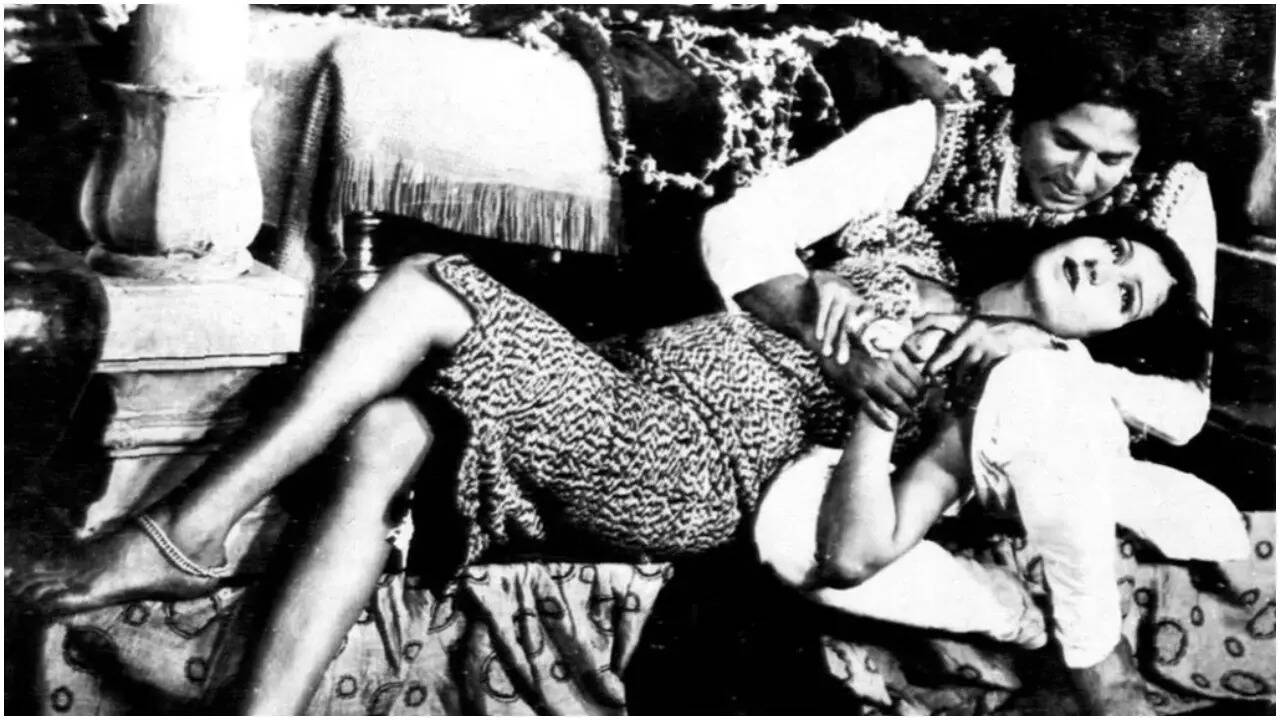
In India, the 1950s saw color bloom with films like “Aan” (1952), our first Technicolor production. Directors like Guru Dutt and Raj Kapoor experimented, making classics like “Pyaasa” poetic in monochrome before fully embracing color. It wasn’t just pretty; it symbolized post-independence optimism, with lush landscapes and festive dances lighting up screens from Mumbai to Madras.

The Rise of Special Effects: Practical Magic Meets Innovation
As the 20th century rolled on, filmmakers got crafty with special effects. Stop-motion in “King Kong” (1933) made monsters real, while matte paintings created impossible worlds. Then, in the 1970s, “Star Wars” blew minds with models, puppets, and early computer effects.
Bollywood caught the wave too. Films like “Mr. India” (1987) used practical effects for invisibility tricks, delighting kids like me. But it was the 1990s that hinted at bigger things, with basic CGI in songs and action sequences.
The CGI Revolution: Digital Dreams Come True
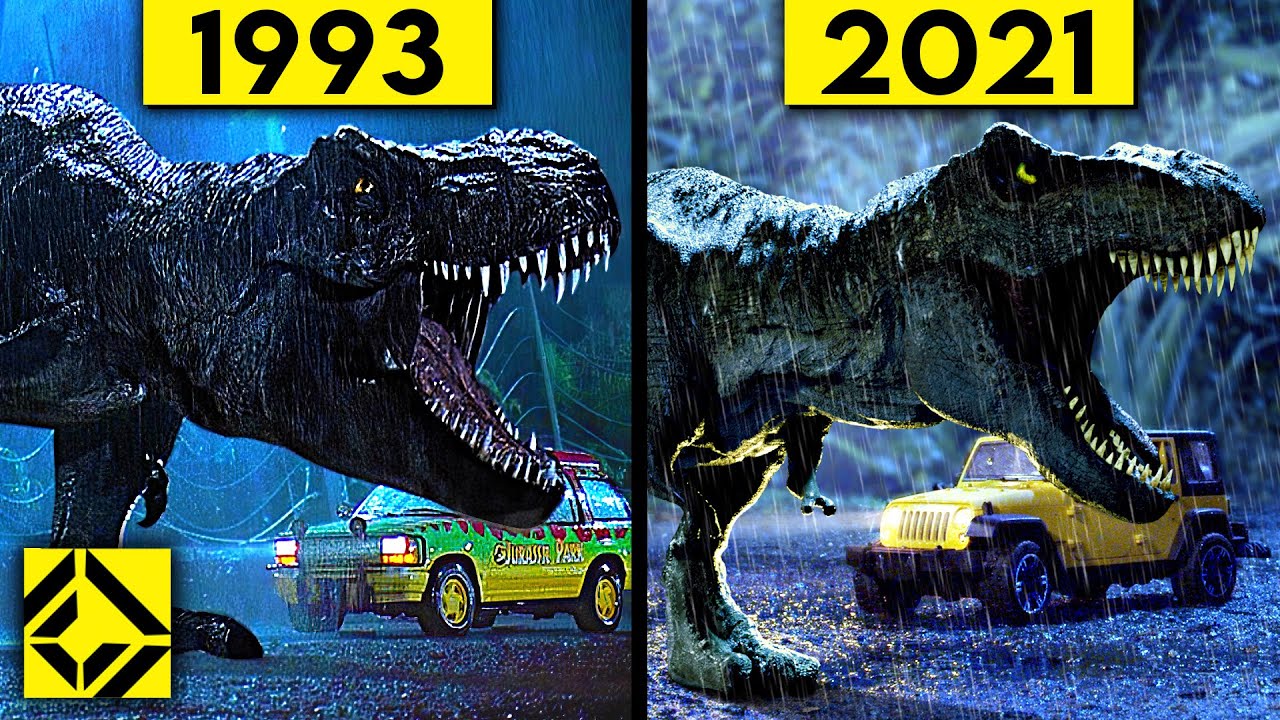
Fast-forward to 1993: “Jurassic Park” brought dinosaurs back to life with groundbreaking CGI, blending computer animation with practical models. Suddenly, anything was possible—flying superheroes, exploding planets, you name it. Films like “Avatar” (2009) took it further, creating entire alien worlds that grossed billions.
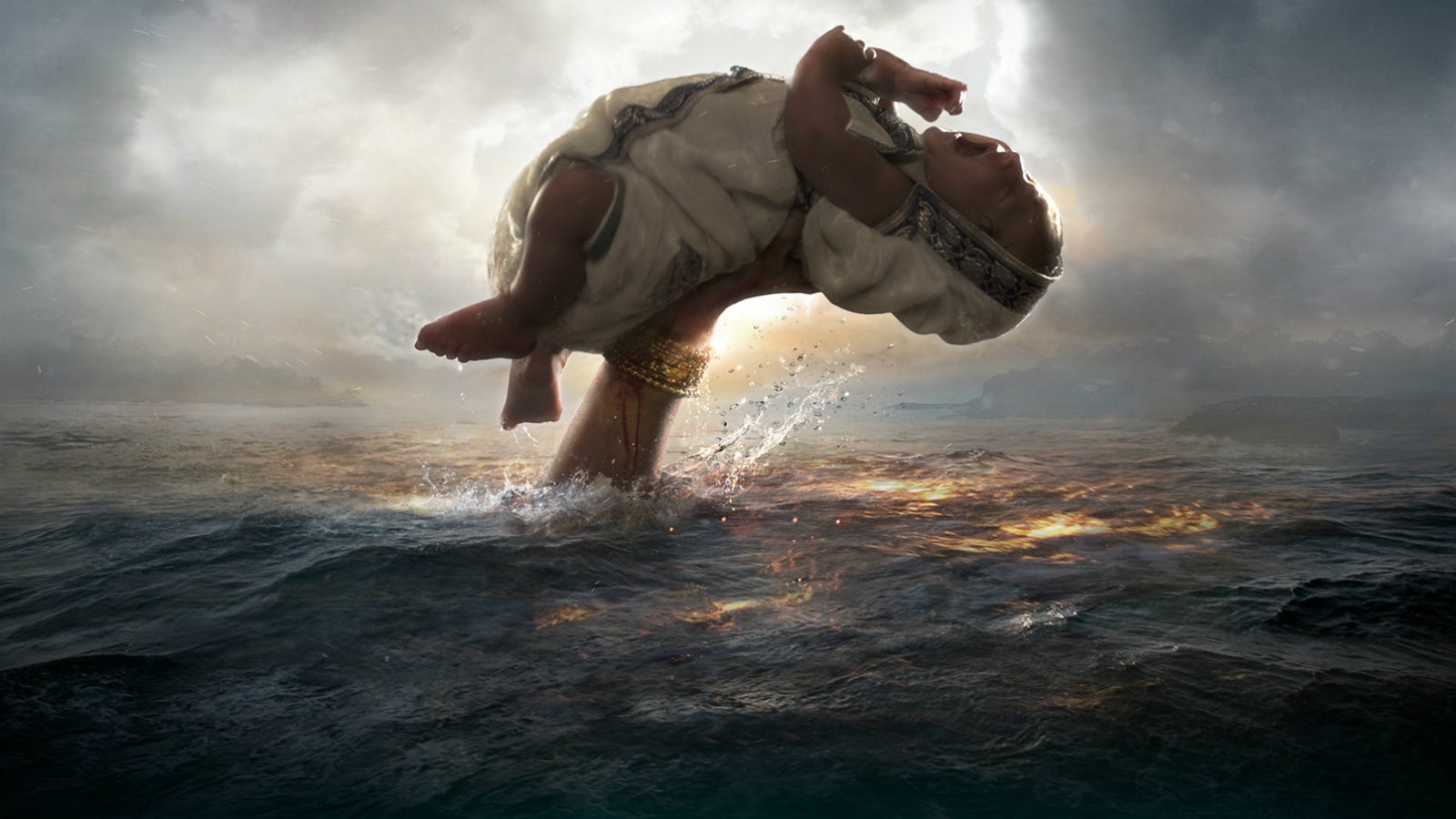
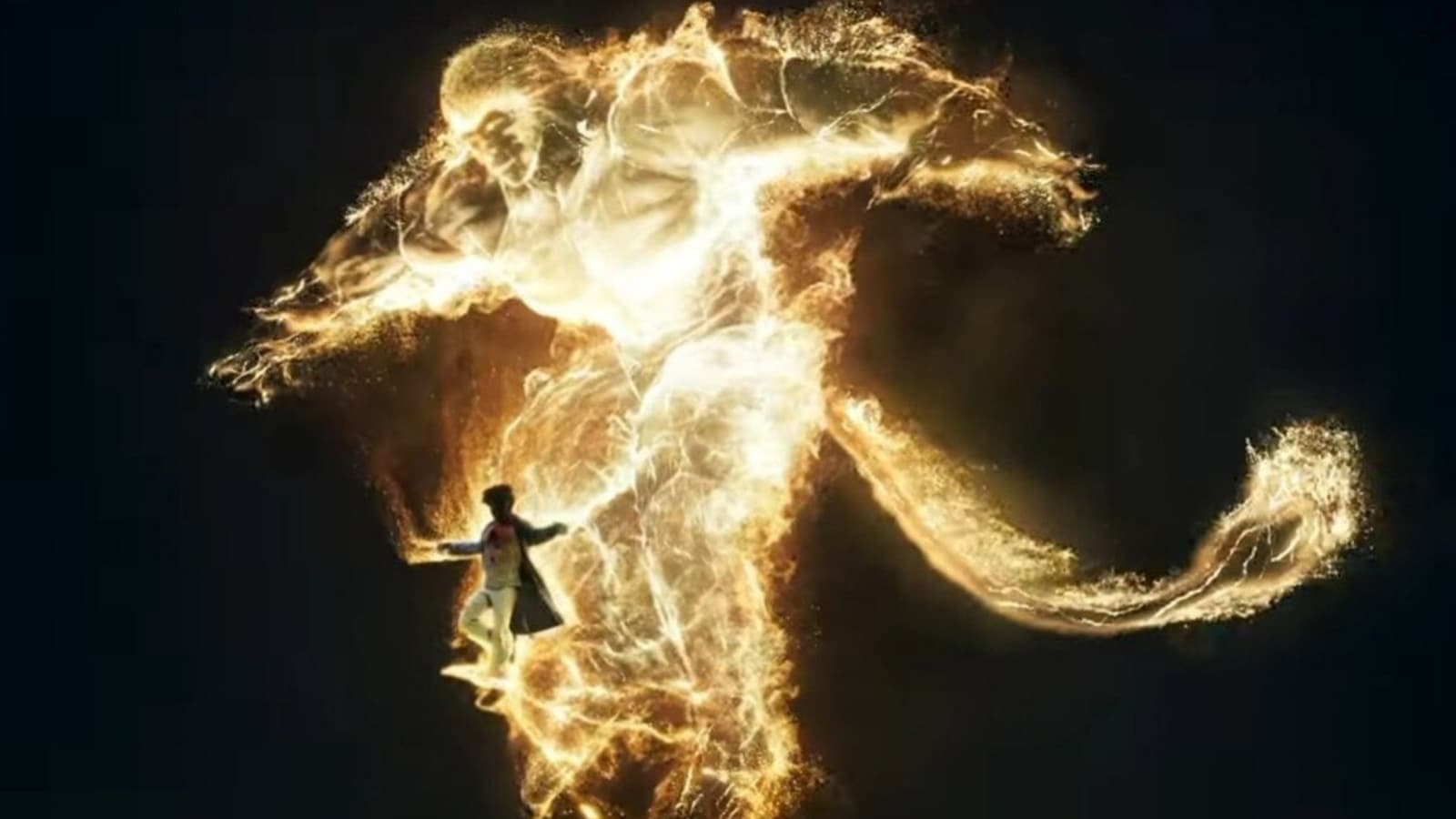
In India, the CGI boom hit with epics like “Baahubali” (2015), where massive waterfalls and elephant armies were digitally crafted. Directed by S.S. Rajamouli, it showed Bollywood could rival Hollywood in spectacle. More recently, “Brahmastra” (2022) wowed with astral weapons and mythical beasts, proving our VFX industry is world-class. From humble silent beginnings to these digital feasts, Indian cinema has grown exponentially, producing over 2,000 films a year now.
Cinema’s evolution from silent films to CGI spectacles isn’t just about tech—it’s about human creativity pushing boundaries. We’ve gone from title cards to surround sound, from painted sets to pixel-perfect worlds, all while telling stories that resonate across cultures.