

How Football Tactics Differ Between Leagues and Eras: A Guide for Indian Fans
Ever sat in a bustling chai shop in Mumbai, arguing with friends about why Pep Guardiola’s Manchester City plays so differently from Antonio Habas’ ATK Mohun Bagan? Or wondered why old-school matches from the 90s feel worlds apart from today’s high-octane ISL clashes? Football isn’t just about goals and glory—it’s a chess game on grass, where tactics shape everything. As an Indian fan who’s grown up switching between Premier League highlights and live ISL action, I’ve always been fascinated by these differences. Let’s break it down in a way that’s easy to follow, packed with real insights, and maybe even sparks your next debate.
The Evolution of Football Tactics Through the Ages
Football tactics didn’t start with fancy heat maps or data analytics. Back in the late 1800s, the game was pure chaos think 1-1-8 formations where everyone just charged forward like a herd of excited fans storming the pitch. Players dribbled endlessly, with little passing or strategy. It was raw, unpredictable, and honestly, a bit messy much like those early ISL seasons when teams were still finding their feet.
By the early 1900s, things got smarter. The “pyramid” 2-3-5 formation became king, balancing attack with a bit of defense. Fast-forward to the 1930s, and the WM (3-2-2-3) added midfield muscle, creating that classic back-and-forth we love. Then came the 1950s revolution: Hungary’s “Golden Team” introduced the false 9 a striker dropping deep to confuse defenders, overload the midfield, and create magic. It’s like how Sunil Chhetri sometimes drops back in ISL games to link play, pulling strings from unexpected spots.
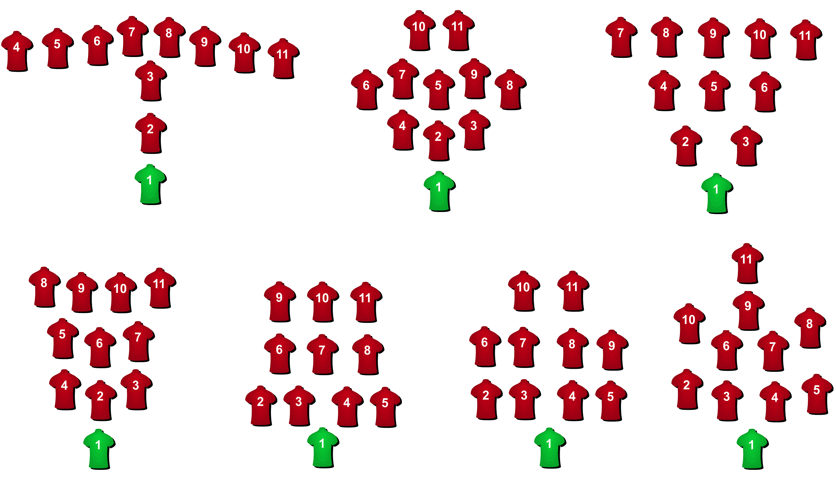
As eras rolled on, the 1970s brought “Total Football” from Ajax and the Dutch players swapping positions fluidly, no one fixed in a role except the keeper. Imagine your favorite ISL winger suddenly defending like a full-back—pure genius, led by legends like Johan Cruyff.
Iconic Tactics That Transformed the Beautiful Game
Some tactics didn’t just evolve; they redefined football. Take Catenaccio from 1960s Italy a super-defensive 5-3-2 with a “libero” sweeper mopping up behind the backline. It was all about shutting down attacks, frustrating opponents, and countering swiftly. Sound familiar? Many underdog teams in the ISL still use similar low-block strategies to grind out results against big spenders.
Then there’s Tiki-taka, the short-passing possession machine popularized by Barcelona in the late 2000s. Pep Guardiola’s side kept the ball forever, wearing down defenses with endless triangles. It’s evolved into modern positional play, where structure meets creativity think Manchester City’s inverted full-backs today.
And don’t forget high-pressing from the 1980s onward, thanks to Arrigo Sacchi’s AC Milan. Teams like Jurgen Klopp’s Liverpool swarm opponents high up the pitch, winning the ball back quickly. Over eras, we’ve shifted from rigid defenses to fluid, pressing attacks making the game faster and more thrilling for fans like us in India, where ISL crowds roar for those intense moments.
How Tactics Vary Across Top Football Leagues
Leagues aren’t just about stars; their tactics reflect culture, history, and even weather. Europe’s top five show this perfectly.
In the Premier League, it’s all about intensity high pressing, quick transitions, and physicality. Teams like Arsenal blend possession with aggressive defending, but there’s a pragmatic core: many sit in “bait the press” styles, drawing opponents out before countering. No wonder Indian fans love it; the end-to-end action mirrors our chaotic traffic!
La Liga leans possession-heavy, with patient build-up and short passes. Real Madrid under Ancelotti mixes this with direct play, but overall, it’s less aggressive out of possession more about control, like a chess master plotting moves.
Serie A? Defensive roots shine through, though it’s shifting to more patient, short-pass play. Teams focus on low blocks and counter-attacks, with fewer high-pressing extremes. Bundesliga amps up the pressing and verticality—higher shots and long balls, perfect for fast breaks. Ligue 1 is a mix, with possession clusters and defensive solidity among top sides.

Tactics in the Indian Super League: Blending Global Flair with Local Grit
Now, let’s talk home turf—the ISL. Unlike the EPL’s balanced competition, ISL has income gaps that influence tactics: bigger clubs dominate with foreign talent, while others rely on gritty defending. Early ISL was physical and direct, but with coaches like Manolo Marquez at FC Goa, we’re seeing more possession-based play and high pressing.
Compared to the Premier League’s aggression, ISL tactics often emphasize counter-attacks and set-pieces—think Kerala Blasters’ wing overloads or Mohun Bagan’s defensive solidity. It’s evolving fast, borrowing from La Liga’s patience (thanks to Spanish coaches) but keeping that Indian hustle. Relegated teams in ISL might “park the bus” more, while EPL’s parity allows bolder styles.

What This Means for Indian Football Fans
Understanding these differences makes watching football even more addictive. Next time you catch an ISL game on TV or stream a Premier League thriller, spot the tactics— is it Tiki-taka vibes or Total Football fluidity? It adds layers to why teams like Bengaluru FC succeed with structured defense, or why EPL underdogs pull off upsets.
Football’s tactical world is ever-changing, blending eras and leagues into something global yet unique.