
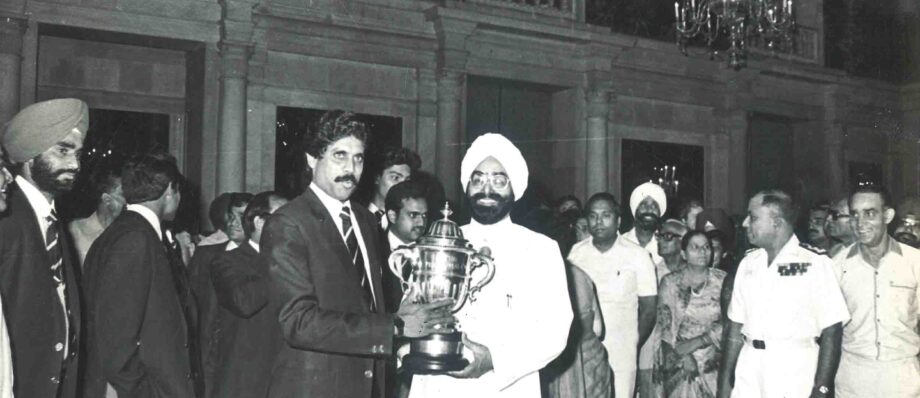
Breaking Down the 1983 World Cup Final: What Decided India’s Epic Win Over West Indies?
A young Indian team, led by Kapil Dev, faces the mighty West Indies—the two-time defending champions with legends like Vivian Richards and Clive Lloyd. As an Indian cricket fan who’s grown up hearing stories from my dad about that day (he was glued to the radio in Delhi), this match still gives me goosebumps. It wasn’t just a game; it was the underdog story that changed Indian cricket forever. In this breakdown of a classic match, we’ll dissect the key plays, the twists, and ultimately, what decided the outcome. Whether you’re a die-hard fan or just love a good sports tale, let’s relive why this remains one of cricket’s greatest upsets.
The Build-Up: Underdogs India vs the Invincible West Indies
Back in 1983, no one gave India a chance. The West Indies had dominated the first two World Cups, winning in 1975 and 1979, and were unbeaten in the tournament so far. They boasted a fearsome pace attack with Malcolm Marshall, Andy Roberts, and Michael Holding—bowlers who could make batsmen dance like they were on hot coals. India, on the other hand, had scraped through with just one win in the previous two World Cups combined. But under Kapil Dev’s captaincy, they stunned everyone by beating Australia, England, and even the Windies earlier in the group stage.
For us Indians, this was more than cricket—it was about proving we belonged on the world stage. The toss went to West Indies, who elected to field first, expecting an easy chase. Little did they know, this decision would haunt them.
India’s Batting Innings: Setting a Modest but Fighting Total
India’s batting started shakily. Openers Sunil Gavaskar and Kris Srikkanth built a steady start, but the middle order wobbled against the Windies’ pace. Srikkanth top-scored with 38, while Mohinder Amarnath chipped in with 26. Kapil Dev’s quick 15 and some lower-order resistance pushed India to 183 all out in 54.4 overs. It seemed too low after all, West Indies had chased bigger totals effortlessly.
But here’s where strategy kicked in: India’s batsmen focused on survival, grinding out runs on a tricky pitch that favored seam movement. As one analyst put it, it was about “not giving in easily,” turning a low score into a defendable one through sheer grit. Relatable, right? Like that time your local gully team defends 100 against stronger opponents by just hanging in there.

The West Indies Chase: From Confidence to Collapse
Chasing 184 should have been a walk in the park for the Windies. Gordon Greenidge and Desmond Haynes opened steadily, but then came the breakthroughs. Madan Lal dismissed Greenidge, and then—bam!—the moment that shifted everything: Vivian Richards, batting like a king with 33 off 28 balls, skied one off Kapil Dev. Kapil ran back 20 yards to take a stunning catch over his shoulder. The crowd erupted; it was like Diwali fireworks!
From there, the Windies crumbled. Clive Lloyd fell cheaply, and India’s bowlers—Amarnath (3/12), Madan Lal (3/31), and Roger Binny (1/23)—applied relentless pressure. They were all out for 140 in 52 overs. Key data: West Indies lost 8 wickets for just 50 runs after Richards’ dismissal.
The Turning Point: Kapil Dev’s Iconic Catch
That catch wasn’t just skill it was a psychological blow. Richards was the heart of their batting; removing him early swung momentum to India. Imagine the pressure on a young team defending a low total moments like this build legends.
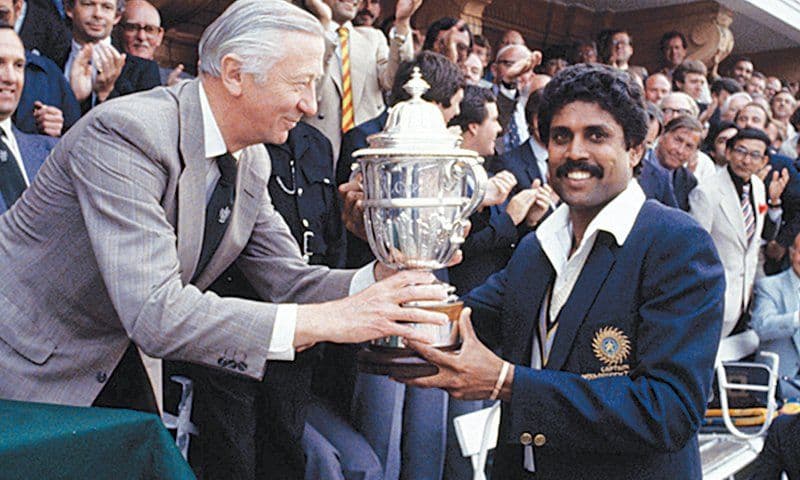
What Decided the Outcome? Breaking Down the Decisive Factors
So, what really decided this classic match? It wasn’t just one thing, here’s the breakdown:
- Bowling Discipline and Fielding Magic: India’s medium-pacers stuck to tight lines, exploiting the pitch. Their fielding was electric, with catches and run-outs turning the tide. West Indies, used to dominating, seemed complacent.
- Mental Toughness: India played without fear, while West Indies underestimated them. As Kapil later said, it was about belief—echoing how underdogs win in life too.
- Pitch and Conditions: The overcast London weather helped seamers, favoring India’s attack over Windies’ raw pace.
- Key Performances: Amarnath’s all-round show (26 runs, 3 wickets) earned him Man of the Match, but it was a team effort.
In today’s T20 era, this match reminds us that strategy and heart often trump star power. Data shows India had only a 10-15% chance pre-match, making it one of cricket’s biggest upsets.

Why This Classic Match Still Resonates with Indian Fans
Breaking down this classic match shows how a single game can spark a nation’s passion. The 1983 win ignited India’s cricket boom think packed stadiums, IPL frenzy, and stars like Kohli today. It taught us that outcomes aren’t predetermined; it’s about seizing moments.