Big Scientific Discoveries Explained in Simple Terms: Mind-Blowing Breakthroughs That Shaped Our World
Hey there, fellow curious minds! Have you ever looked up at the stars on a clear night in Mumbai or Delhi and wondered how the universe ticks? Or thought about why your phone’s GPS works flawlessly during a road trip to the Himalayas? Science isn’t just stuffy textbooks—it’s the magic behind our daily lives. Today, let’s unpack some of the biggest scientific discoveries in history, explained in simple, everyday language. We’ll keep it fun, relatable, and throw in a few nods to how these breakthroughs touch us right here in India. Buckle up; this is going to spark your inner scientist!
Why Do Things Fall? Newton’s Gravity Demystified
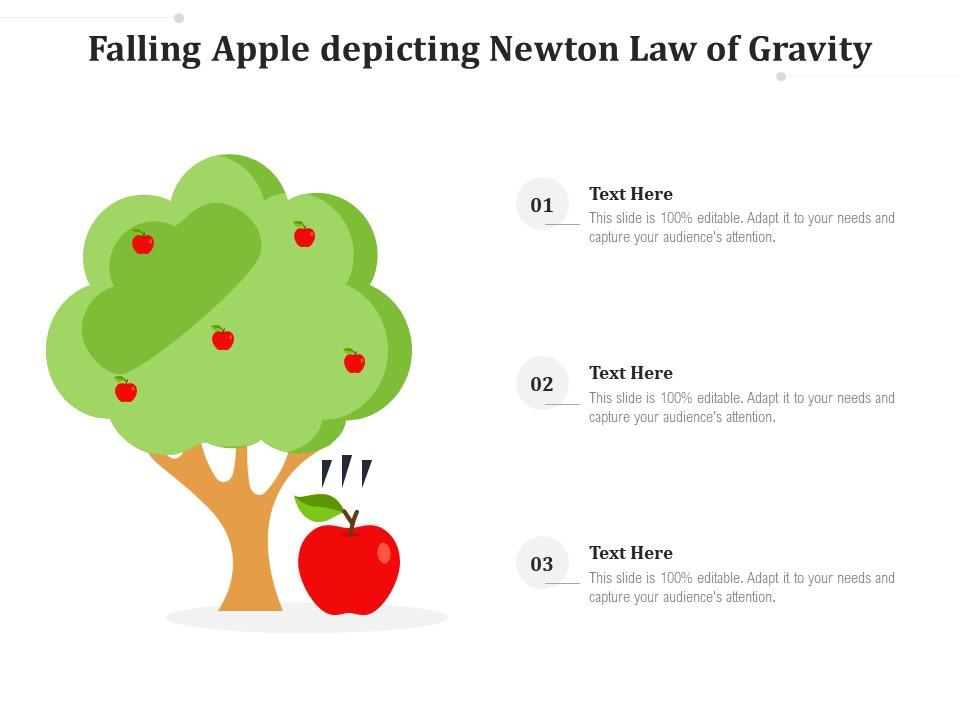
Picture this: You’re sitting under a mango tree in your backyard, and a ripe fruit plops right onto the ground. Why doesn’t it float away? That’s gravity at work, discovered by Isaac Newton back in the 1600s. In simple terms, gravity is the invisible force that pulls objects toward each other. Earth pulls us down, and that’s why we don’t float off into space.
Newton figured this out while pondering an apple falling from a tree (though the story might be a bit exaggerated). This discovery explained not just falling fruits but also why planets orbit the sun. Fast forward to today, and gravity powers everything from ISRO’s satellite launches to predicting monsoon floods in Kerala. Without understanding gravity, our Chandrayaan missions wouldn’t have made it to the moon!
Tiny Invaders: The Germ Theory That Saved Lives
Ever wondered why washing hands before eating roti-sabzi is such a big deal? Thank Louis Pasteur and his germ theory from the 1800s. In plain speak, germs are microscopic bugs—like bacteria and viruses—that cause diseases. Before this, people thought illnesses came from “bad air” or curses. Pasteur proved that these tiny critters spread sickness and could be killed with heat or cleanliness.
This breakthrough led to pasteurization (that’s why your milk doesn’t spoil quickly) and vaccines. In India, it revolutionized public health—think of the massive polio eradication drive that saved millions of kids. Next time you get a tetanus shot after stepping on a rusty nail in the monsoon, remember: Germ theory turned medicine from guesswork to lifesaving science.

Survival of the Fittest: Darwin’s Theory of Evolution
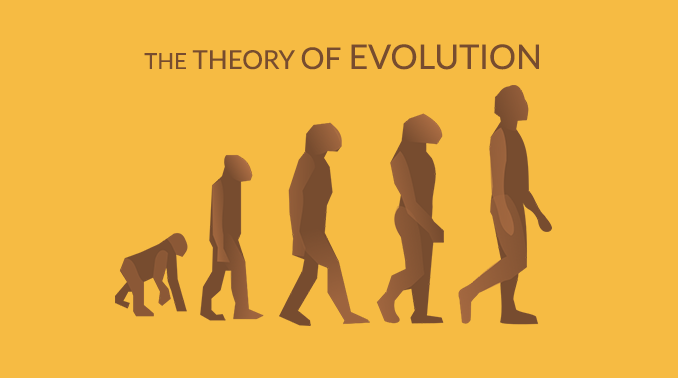
Why do peacocks have those flashy feathers, or why do we humans walk on two legs? Charles Darwin’s theory of evolution, unveiled in 1859, explains it all. Simply put, living things change over time to better survive in their environment. Traits that help—like a giraffe’s long neck for reaching leaves—get passed down, while unhelpful ones fade away. It’s like nature’s own upgrade system.
Darwin observed this on his travels, noticing how animals adapt. In India, think of how tigers in the Sunderbans have evolved to swim expertly in mangroves. This idea shakes up how we see life, inspiring everything from wildlife conservation in Rajasthan’s deserts to modern biology classes. It reminds us we’re all connected in this grand tree of life—pretty mind-bending, right?
The Magic Mold: How Penicillin Revolutionized Medicine
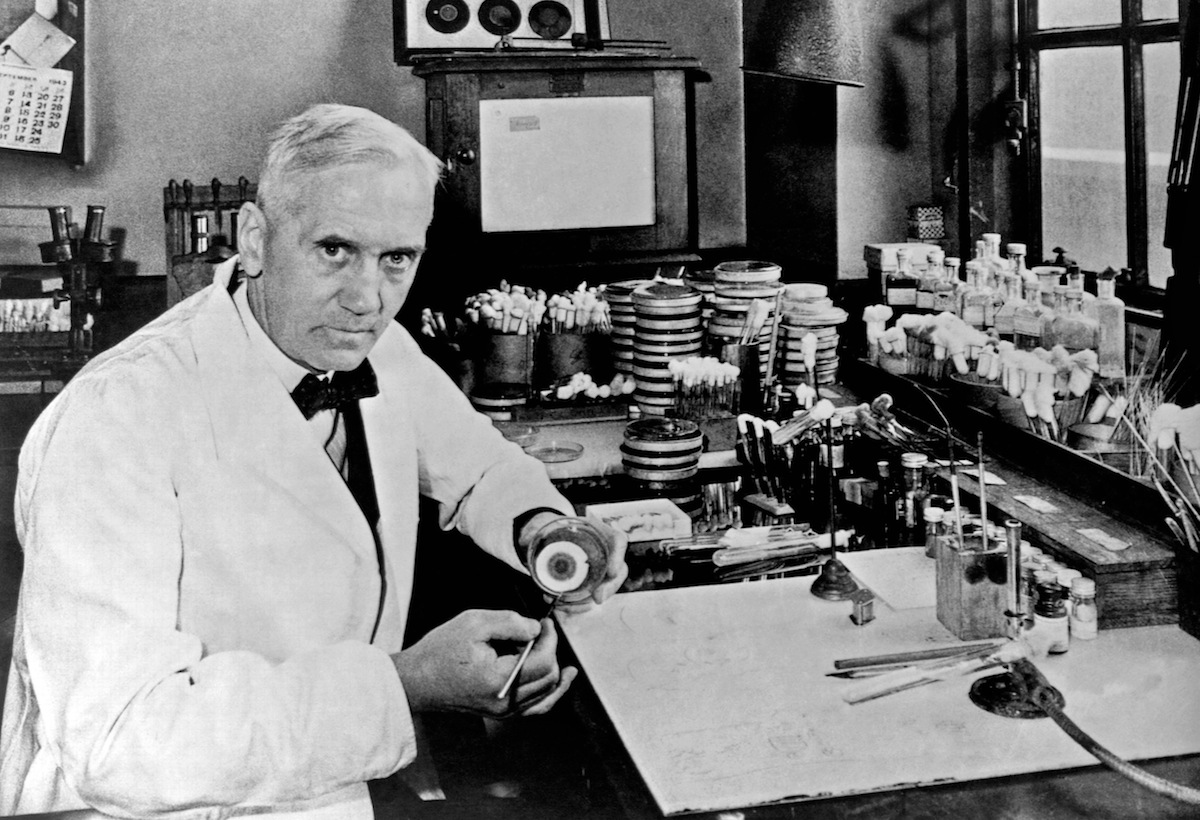
Imagine scraping your knee playing cricket and not worrying about a deadly infection. That’s thanks to Alexander Fleming’s accidental discovery of penicillin in 1928. In easy terms, penicillin is a substance from mold that kills harmful bacteria without hurting us. Fleming noticed mold in a petri dish wiping out bacteria around it—boom, the first antibiotic!
This changed healthcare forever, turning once-fatal infections into quick fixes. In India, where tropical diseases like typhoid are common, antibiotics have saved countless lives during outbreaks. From rural clinics in Bihar to urban hospitals, it’s a hero in our fight against bugs. But remember, overuse leads to superbugs, so use them wisely!
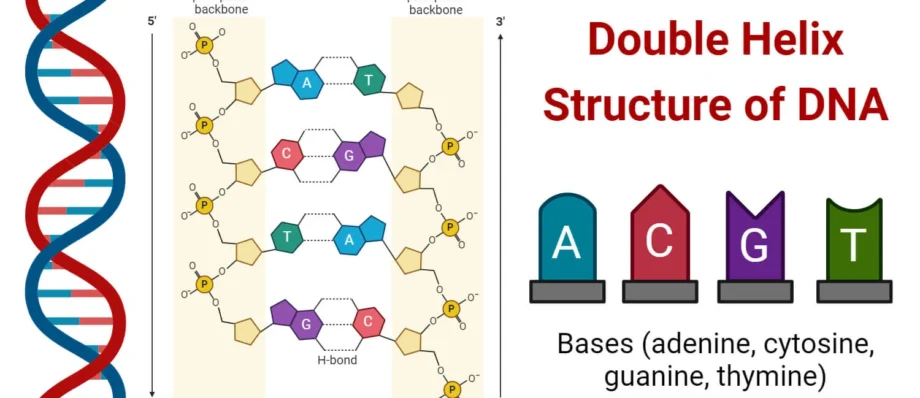
The Blueprint of Life: Unraveling DNA’s Double Helix
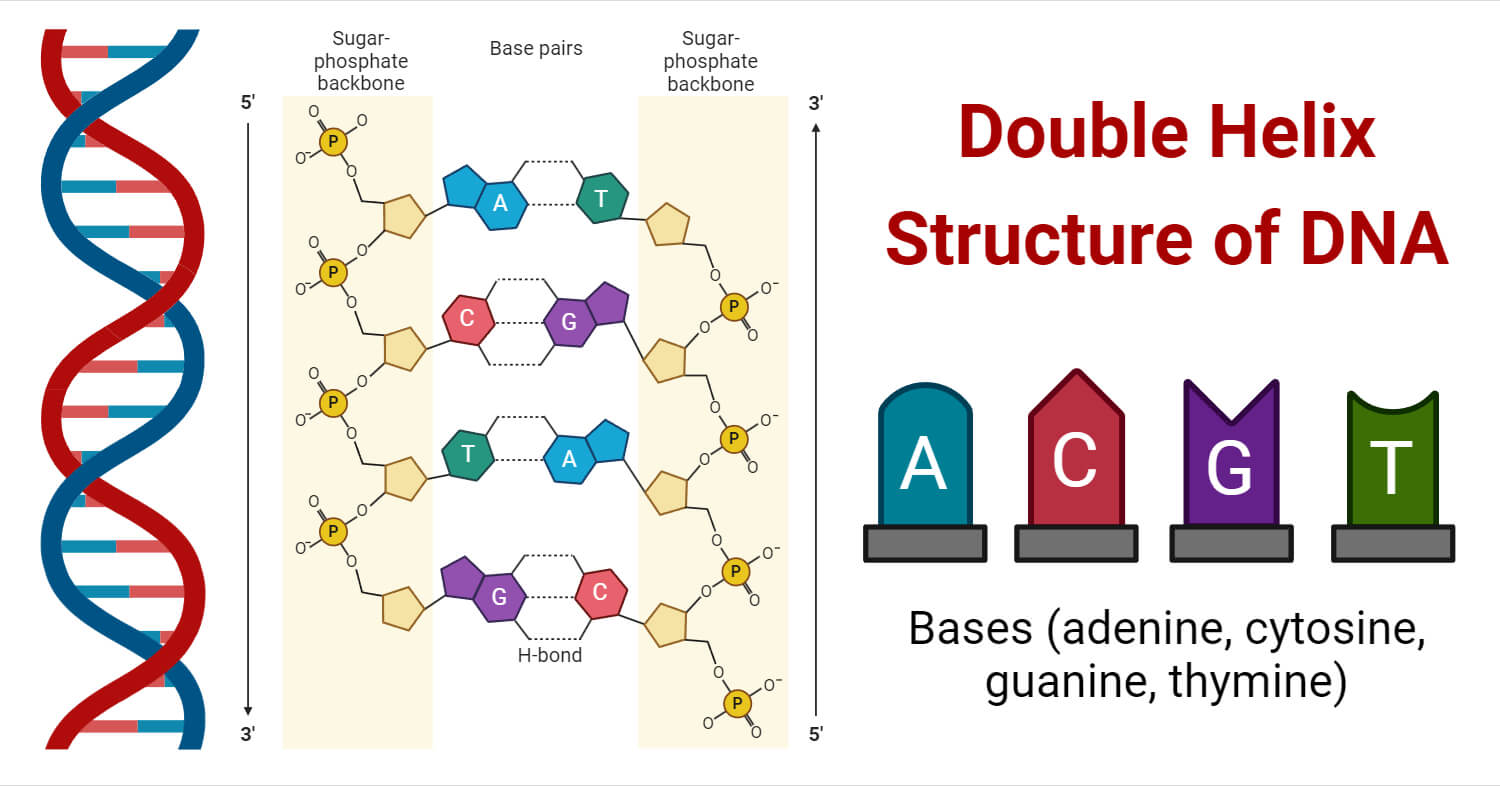
What makes you, you? It’s DNA, the twisted ladder inside every cell that carries your genetic instructions. James Watson, Francis Crick, and Rosalind Franklin cracked its structure in 1953. Simply explained, DNA is like a recipe book for building and running your body—half from mom, half from dad.
This discovery unlocked genetics, leading to things like DNA testing for ancestry or crime-solving. In India, it’s powering biotech hubs in Bengaluru, helping with personalized medicine for diseases like diabetes. Ever done a genealogy test to trace your roots back to ancient kingdoms? That’s DNA magic at play.
Bending Reality: Einstein’s Theory of Relativity
Time travel in movies? Blame Albert Einstein’s theory of relativity from 1905. In simple words, it says time and space aren’t fixed—they bend around massive objects, and nothing goes faster than light. Special relativity deals with speed (like how time slows for astronauts), while general covers gravity’s curve on spacetime.
This powers GPS in your Uber rides across Delhi traffic or satellite TV during cricket matches. Einstein’s ideas even influenced India’s nuclear program under Homi Bhabha. It’s wild to think a German-born genius’s thoughts help us navigate Diwali shopping rushes!

Light’s Secret Dance: CV Raman’s Raman Effect
No list for Indian readers would be complete without Sir CV Raman’s 1928 discovery—the Raman Effect. Explained simply, it’s how light scatters when hitting molecules, revealing what stuff is made of. Raman shone light through liquids and saw colors shift, like a fingerprint for materials.
This won him India’s first Nobel in Physics and powers spectroscopy tools used in everything from pollution checks in the Ganges to diamond quality tests in Surat. It’s a proud homegrown breakthrough that shows Indian brains have always lit up the world of science.
There you have it—seven epic discoveries that flipped our world upside down, explained without the headache. From saving lives with penicillin to exploring the cosmos via relativity, science connects us all. In India, with our rich history of innovators like Aryabhata and modern marvels from ISRO, these breakthroughs feel even closer to home. Which one blew your mind the most? Drop a comment below, share with a friend, or dive deeper into more science stories. Who knows, the next big discovery might come from you! Stay curious, folks.