The Evolution of Indian Fashion Through the Decades: A Timeless Blend of Tradition and Trend
Have you ever slipped into a comfy kurta-pyjama for a family gathering, or draped a saree with a trendy blouse for a party, and wondered how these styles have stood the test of time? Indian fashion isn’t just about clothes—it’s a living story of our history, resilience, and creativity. From the unstitched wonders of ancient times to the eco-friendly fusions of today, let’s take a stylish stroll through the decades. As an Indian who’s grown up flipping through old family albums and binge-watching Bollywood classics, I can’t help but get excited about how our wardrobes have evolved while staying true to our roots.
Ancient Roots: The Timeless Drape That Started It All
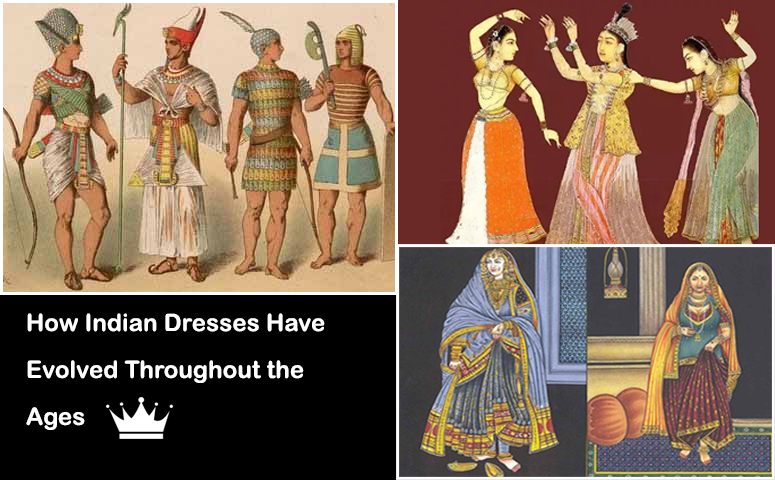
Indian fashion’s journey kicks off way back in the Indus Valley Civilization around 2500 BCE, where cotton ruled supreme. Imagine simple, practical outfits like the dhoti for men—a long cloth wrapped around the waist—and knee-length skirts or saree-like drapes for women, often leaving the midriff bare for that hot climate comfort. Jewelry was a big deal too, with gold necklaces, bangles, and anklets adding sparkle.
Fast-forward to the Vedic period (1500–500 BCE), and things got a bit more structured. A single cloth called the uttariya served as a shawl or upper garment, draped over the shoulder, while the lower part was pleated and belted. It was all about functionality back then—no zippers or buttons, just clever wrapping techniques that suited our diverse regions. Think of it as the OG sustainable fashion: minimal waste, maximal style.
These ancient styles laid the groundwork for what we love today, like the saree’s elegant flow or the dhoti’s cultural significance in festivals.
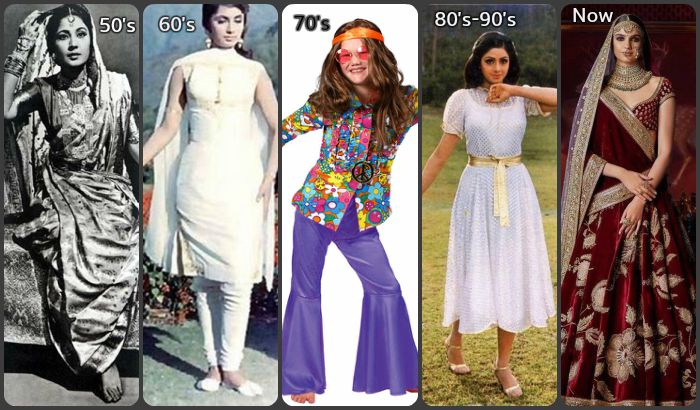
Colonial Shadows and Post-Independence Pride (1940s–1950s)
The British colonial era shook things up, blending Western elements like pants, jackets, and blouses into our traditional mix. Urban folks started adopting shirts and trousers, while women added petticoats under sarees for a more structured look. But the real revolution came post-1947 with Independence.
Khadi became the hero fabric—simple, hand-spun, and a symbol of swadeshi pride. Sarees in muted earth tones, crisp cotton kurtas, and handloom textiles dominated, emphasizing dignity and self-reliance. Bollywood icons like Nargis in “Mother India” showcased this era’s functional yet graceful vibe. It was fashion with a purpose, reminding us that style can be a form of resistance.
Swinging Sixties and Seventies: Bollywood’s Retro Glam Takes Center Stage
Ah, the 60s and 70s—when Bollywood turned fashion into a spectacle! Influenced by global hippie vibes and disco fever, Indian wardrobes got bolder. Women rocked chiffon sarees with sleeveless blouses (hello, Mumtaz’s iconic wrap style), bouffant hairstyles, and winged eyeliner that screamed drama. Salwar suits in vibrant prints became everyday chic, while men embraced flared trousers, wide collars, and those filmy scarves.
Remember Zeenat Aman’s bohemian looks or Amitabh Bachchan’s bell-bottoms? This era blended tradition with experimentation, like pairing a kurta with jeans. It was fun, free-spirited, and oh-so-relatable for a young nation finding its groove.

Eighties Excess: Glitz, Glam, and Power Dressing
The 80s cranked up the volume with shoulder pads, oversized sunglasses, and a love for all things shiny. Doordarshan serials and disco tracks inspired sequined sarees, metallic fabrics, and bold borders. Power dressing meant business suits for men with a desi twist, like sherwanis with structured shoulders.
Bollywood divas like Rekha in shimmering chiffons or Sridevi’s glitzy outfits made “more sparkle” the mantra. It was an era of confidence, where fashion mirrored India’s growing economic aspirations—loud, proud, and unapologetic.
Nineties Nostalgia: The Fusion Revolution Begins
Enter the 90s, when cable TV opened the floodgates to global trends. Denim jackets over salwar-kameez, crop tops with high-waist jeans, and embroidered lehengas became hits, thanks to stars like Madhuri Dixit in “Hum Aapke Hain Koun” or Shah Rukh Khan’s leather-jacket cool.
This decade marked the true Indo-Western fusion—traditional outfits got edgier, with synthetic fabrics and mix-and-match styles. It was relatable chaos: one day ethnic for Diwali, the next grunge-inspired for college. Fashion became accessible, setting the stage for the designer boom.
2000s Bling: The Era of Excess and Item Numbers
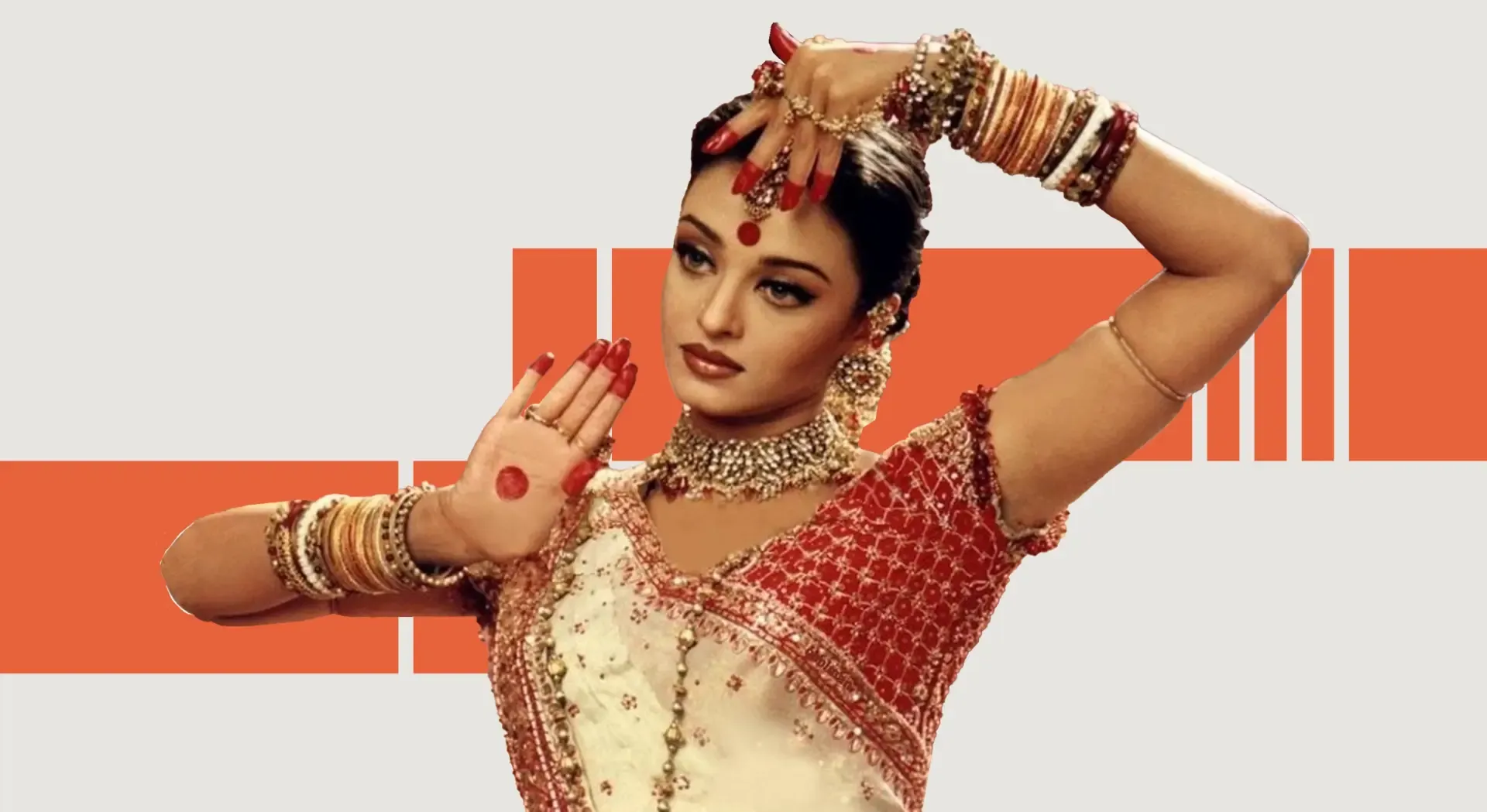
If the 90s were fusion, the 2000s were full-on bling! Karan Johar films and item songs dictated trends: low-rise jeans, bedazzled tees, halter-neck blouses, and bridal lehengas dripping in Swarovski crystals. “More is more” was the vibe, with heavy embroidery and vibrant colors ruling weddings and parties.
Men’s fashion leaned into sherwanis with intricate work, while women experimented with saree gowns. Bollywood’s global reach, from Aishwarya Rai’s Cannes appearances to fusion wear in movies, put Indian style on the world map.
2010s Minimalism: Sustainability and Social Media Magic
The 2010s brought a breath of fresh air with minimalism and mindfulness. Pastel lehengas, handloom sarees, and bohemian kurtas took over, driven by social media influencers and platforms like Instagram. High-street brands collabed with designers, making fashion democratic.
Sustainability emerged big time—think organic cottons and upcycled ethnics. Icons like Deepika Padukone in subtle Sabyasachi sarees showed that less could be more. It was about comfort, ethics, and personal expression, reflecting our tech-savvy generation.

2020s and Beyond: Versatile, Eco-Conscious, and Boundary-Blurring
Today, in the 2020s, Indian fashion is all about versatility and revival. Oversized kurtas with sneakers, gender-neutral bandhgalas, and fusion like Anarkali dresses with belts rule the streets. Sustainability is non-negotiable—regional crafts like Banarasi brocades, Phulkari embroidery, and Ajrakh prints are back, often on global runways.
Bollywood and influencers keep pushing boundaries, blending tradition with athleisure or streetwear. With e-commerce booming, anyone can mix a vintage saree with modern accessories. It’s empowering, inclusive, and a nod to our diverse heritage.
As we wrap up this fashionable time travel, it’s clear that Indian fashion evolves but never forgets its soul—rooted in culture, adaptable to change.