
How Screenwriting Structure Shapes Storytelling: The Secret Behind Great Films
In 2026, whether you’re an aspiring screenwriter in Mumbai or just a passionate movie buff, understanding how screenwriting structure shapes storytelling can deepen your love for films. Let’s break it down in a fun, desi way no boring lectures, just real insights and your favourite Bollywood examples!
The Classic Three-Act Structure: The Heartbeat of Most Stories
The most popular framework in screenwriting is the three-act structure, popularized by Syd Field in the 1970s. It’s simple: Setup (Act 1), Confrontation (Act 2), and Resolution (Act 3). Think of it as the beginning, middle, and end but done with purpose to build emotion and tension.
Here’s a clear visual of the classic three-act structure in action:


These diagrams show how tension rises steadily until the big climax, then gently winds down. It’s why films feel satisfying – they follow a natural emotional rhythm.
In Bollywood, this structure shines even with songs and intervals. Take 3 Idiots (one of my all-time favorites):
- Act 1 (Setup): We meet Rancho and his friends in college, see their quirky friendship, and get the inciting incident – the pressure of the education system.
- Act 2 (Confrontation): The real struggles kick in – friendships tested, failures, love, and the chase for truth about Rancho’s identity.
- Act 3 (Resolution): The emotional climax with the delivery scene and the heartfelt reunion, delivering that perfect mix of triumph and tears.
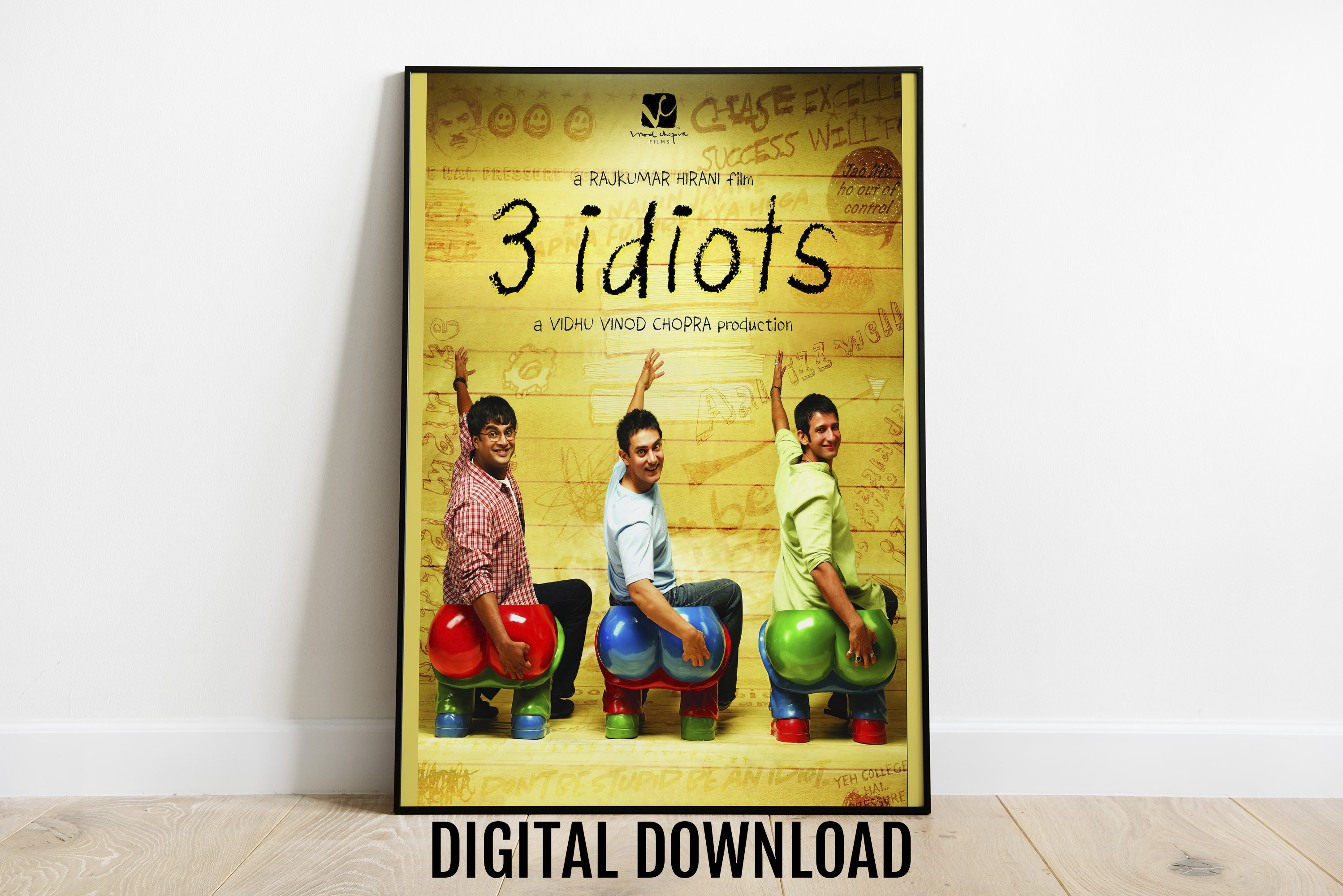
Check out this iconic poster that captures the spirit of the film:
The structure guides the audience through highs, lows, and that goosebump moment when everything clicks.
The Hero’s Journey: When Stories Feel Mythic and Timeless
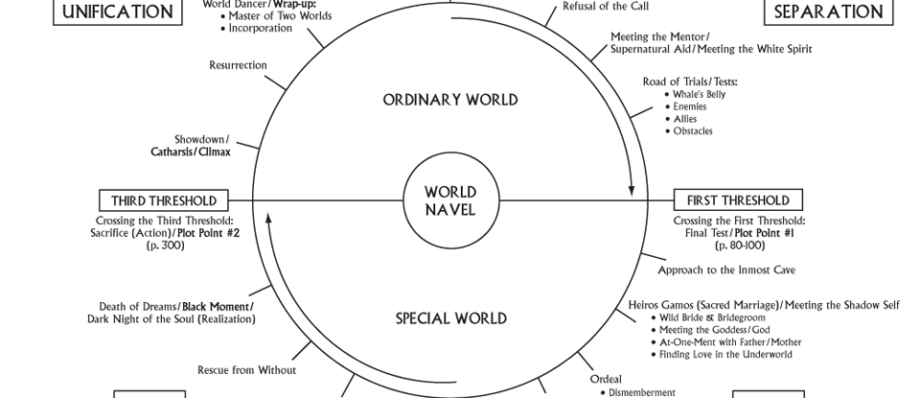
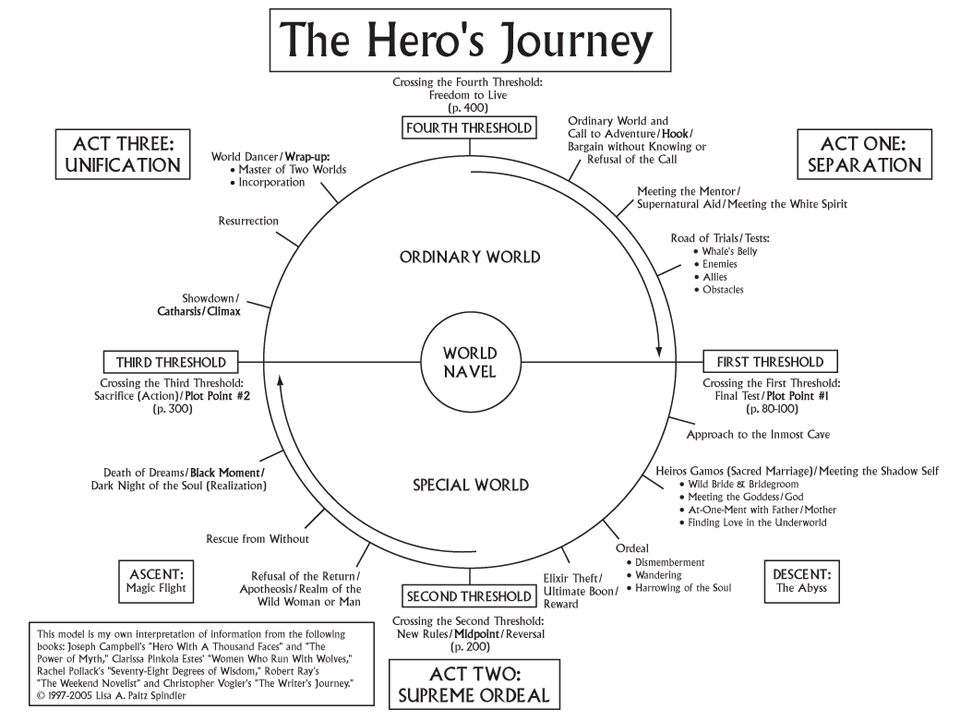
Another powerhouse is Joseph Campbell’s Hero’s Journey (or Monomyth), adapted for screen by folks like Christopher Vogler. It’s a circular path: Ordinary World → Call to Adventure → Trials → Transformation → Return.
These visuals of the Hero’s Journey circle make it crystal clear why so many epics feel legendary:
In Indian cinema, this resonates deeply because our stories often draw from mythology. Aamir Khan’s Dangal is a textbook example:
The father (Mahavir) gets the “call” to train his daughters, faces endless trials (societal doubts, physical challenges), transforms (as a coach and father), and returns triumphant with Olympic glory.
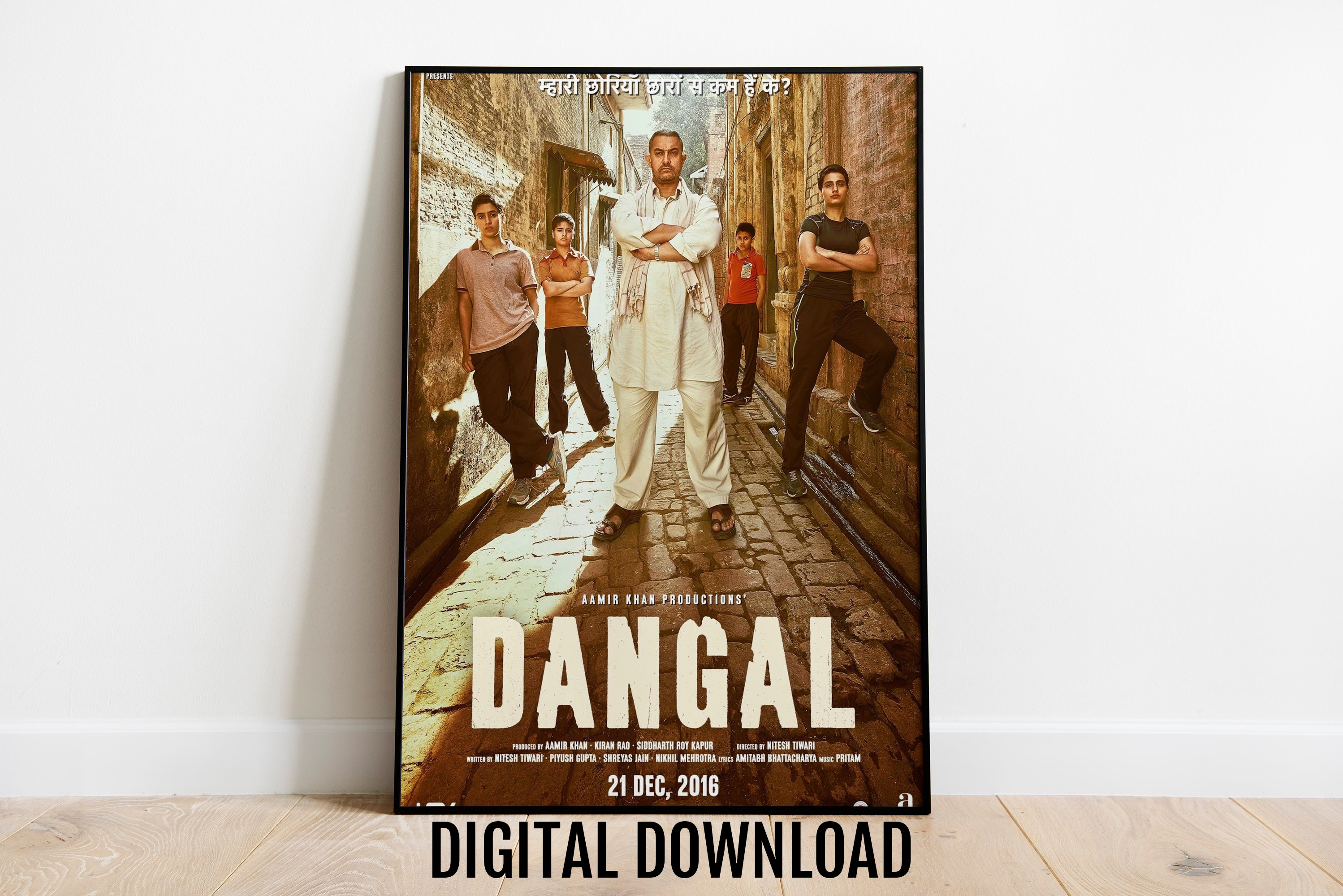
Here are some powerful shots from the film’s inspiring journey:
The structure adds layers of emotion we root for the hero because we see their growth, just like in Ramayana or Mahabharata tales we grew up with.
Why Screenwriting Structure Matters So Much in Indian Storytelling
Whether it’s the three-act model from Syd Field or Robert McKee’s emphasis on conflict and character arcs, structure isn’t a cage – it’s a guide. It:
- Builds suspense and emotional payoff
- Helps balance songs, drama, and comedy without losing pace
- Makes characters relatable (we see their flaws, struggles, and wins)
- Ensures the story resonates across cultures, from multiplexes in Delhi to single screens in small towns
Even in experimental films like Imtiaz Ali’s Tamasha, the three-act backbone provides the emotional anchor amid non-linear storytelling.
In today’s Bollywood, with global influences and streaming, these frameworks evolve – but they still shape what makes a story stick.
Wrapping It Up: Your Turn to Spot the Structure
Next time you watch a film be it a mass entertainer or an indie gem – try breaking it down. You’ll see how screenwriting structure shapes storytelling in ways that make your heart race or your eyes well up.