Ordinary People in Extraordinary Situations: Inspiring Real Stories That’ll Give You Goosebumps
In 2026, as we reflect on our fast-paced lives, these tales of ordinary people in extraordinary situations remind us that heroes aren’t born with capes they’re made in the heat of the moment.
I’ve always been fascinated by these stories because they hit close to home. Growing up hearing about everyday bravery during festivals or family chats, I realized they’re not just legends; they’re proof of our unbreakable spirit. From Mumbai’s dark days to Bihar’s mountains, let’s dive into some real-life examples that show how regular Indians turn crises into triumphs. Who knows, it might make you think twice about your own hidden strength!
Historical Heroes: Ordinary Indians Who Defied the Odds in Epic Moments
India’s history is packed with moments where the spotlight shines on kings and leaders, but dig deeper, and you’ll find unsung folks who changed the game. These ordinary people in extraordinary historical situations often came from humble backgrounds, yet their actions echoed for generations.
Take Dashrath Manjhi, the “Mountain Man” from Bihar. In the 1960s, after his wife died because the nearest doctor was 55 km away – blocked by a massive hill – this landless laborer grabbed a hammer and chisel. For 22 years, he carved a 360-foot-long path through the mountain, shortening the distance to 15 km. It’s a jaw-dropping tale of grit that inspired the Bollywood film Manjhi. Today, that road serves thousands, proving one person’s resolve can literally move mountains.
Or consider Jhalkari Bai during the 1857 Revolt. A Dalit woman from a simple family, she impersonated Rani Lakshmibai to let the queen escape British forces. Dressed as the Rani, she fought fiercely, buying precious time. Her bravery, often overlooked, highlights how ordinary women in extraordinary situations shaped India’s freedom struggle.
These stories aren’t just old tales – they inspire modern resilience, showing that in crises, anyone can rise.
Modern-Day Miracles: Everyday Bravery in Terror and Disasters
Fast-forward to today, and India still sees ordinary people thriving in extraordinary situations during man-made or natural calamities. These aren’t superheroes; they’re drivers, hotel staff, and neighbors stepping up when it counts.
Remember the 26/11 Mumbai attacks in 2008? Amid the horror at the Taj Mahal Palace Hotel, ordinary employees became legends. Staff like Karambir Singh Kang, the general manager, lost his family but stayed to guide guests to safety. Waiters and chefs formed human chains, hiding people in kitchens and leading evacuations under gunfire. Their actions saved hundreds, rooted in the Taj’s culture of selfless service. It’s a chilling reminder that in terror’s grip, compassion wins.
Then there’s Salim Shaikh, the bus driver during the 2017 Amarnath Yatra attack in Kashmir. Terrorists fired on his bus full of pilgrims, killing seven. With a flat tire and bullets flying, Salim drove over two kilometers to safety, saving dozens. “I just kept going,” he later said humbly. For this, he was nominated for a bravery award – a true example of calm under pressure.
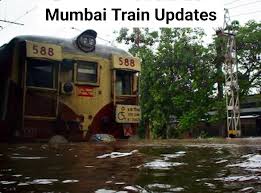
And let’s not forget flood rescuers. During Mumbai’s devastating floods over a decade ago, ordinary folks turned saviors. People waded through chest-deep water to rescue strangers, sharing food and shelter. One viral story: A group of locals formed a human chain to pull a drowning man from a swirling drain. These acts, repeated in Kerala floods or recent monsoons, show community power in chaos.
Here are some powerful images from those Mumbai floods, capturing the raw heroism of everyday rescuers:
What We Can Learn from These Extraordinary Tales
So, why do these stories matter in 2026? Psychology tells us it’s the “bystander effect” flipped – in crises, some folks act because they feel a personal call. But data from events like 26/11 shows training and empathy play huge roles. In India, with our strong family and community ties, we’re wired for this heroism.
These ordinary people in extraordinary situations teach us:
- Resilience Builds Over Time: Like Manjhi’s 22 years, persistence pays off.
- Compassion Over Fear: Taj staff chose guests over self – a lesson in humanity.
- Community Counts: In floods or attacks, unity saves lives.