
How Indigenous Knowledge Protects Wildlife: Timeless Wisdom Saving Species
These aren’t outdated traditions; they’re smart, sustainable strategies honed over centuries. Research shows that indigenous-managed lands often boast higher biodiversity – for instance, they overlap with 54% of the world’s remaining intact forests and 43% of Key Biodiversity Areas, where species thrive better than in many official parks. Up to 80% of the planet’s remaining biodiversity is stewarded by indigenous communities, proving their methods aren’t just cultural – they’re crucial for survival. Let’s dive into how this works, with inspiring stories that might make you rethink modern conservation.
Sacred Beliefs and Taboos: Nature’s Invisible Guardians
At the heart of how indigenous knowledge protects wildlife are spiritual beliefs that turn animals and plants into sacred family members, not resources to exploit.
Take the Bishnoi community in Rajasthan, India – for over 500 years, they’ve followed 29 rules from their guru Jambhoji, including “do not cut green trees” and “be compassionate toward all living beings.” They famously protect blackbuck antelopes, even risking their lives against poachers. In 1730, 363 Bishnois sacrificed themselves to save Khejri trees, inspiring India’s environmental movements. Today, their areas are wildlife havens, showing how taboos create natural “no-go” zones.
In Arunachal Pradesh, the Adi tribe views tigers as well-wishers of humankind, making hunting them taboo. Similarly, the Akas restrict access to sacred Mount Vojo Phu, preserving its flora and fauna. Globally, the Himirpur people in India see snow leopards as complex individuals, negotiating shared spaces to avoid conflict.
These beliefs foster respect, reducing overhunting and habitat loss a simple yet powerful shield.
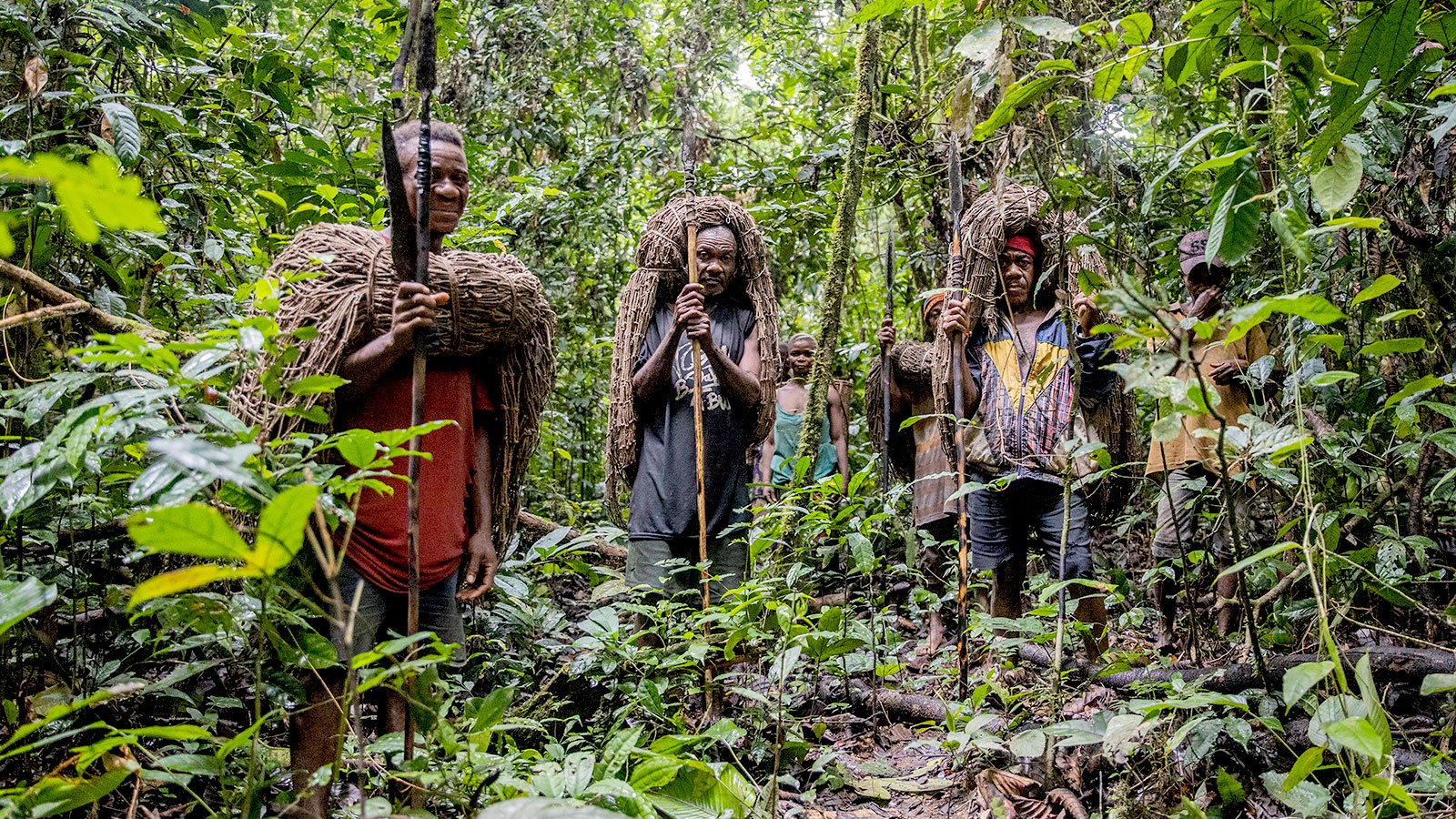
These images of indigenous people safeguarding wildlife in forests highlight the deep connection:


Sustainable Practices: Balancing Human Needs with Wildlife Survival
Indigenous groups don’t just protect – they sustain ecosystems through practices that keep nature thriving.
In India’s Ziro Valley, the Apatani tribe’s wet rice cultivation uses nutrient-rich hill runoff for irrigation, recycling crop residues to enrich soil. They enforce “Dapo” rules for hunting limits, protecting species like the Himalayan squirrel. This creates diverse habitats where wildlife flourishes alongside farms.
The Soliga people in Karnataka’s Biligiri Rangaswamy Temple Tiger Reserve use their deep knowledge of animal behavior to minimize conflicts with tigers and elephants. Their involvement has boosted tiger numbers by deterring poachers and restoring habitats.
Around the world, the Raute in Nepal learn from rhesus macaques to find safe forest spots, while Australian indigenous fire management prevents massive wildfires, preserving animal homes. These methods – rotational farming, selective harvesting – show living in harmony isn’t idealistic; it’s practical.
Community Stewardship: When Locals Lead, Wildlife Wins
Empowering indigenous communities turns protection into a shared mission.
In Kerala’s Periyar Tiger Reserve, community-led eco-tourism transformed poachers into guides, stabilizing tiger populations and boosting local incomes. In Maharashtra’s coastal areas, fisherfolk’s knowledge of bivalve habitats aids sustainable harvesting, protecting marine life.
Globally, Kenya’s Il Lakipiak Maasai manage rhino sanctuaries, reducing conflicts by maintaining vegetation. Malaysia’s Orang Asli safeguard hornbill nesting trees.
Stats back this: Indigenous lands average top 10% in forest biodiversity intactness, with 60% of mammals having significant habitat there. When communities lead, ecosystems thrive.
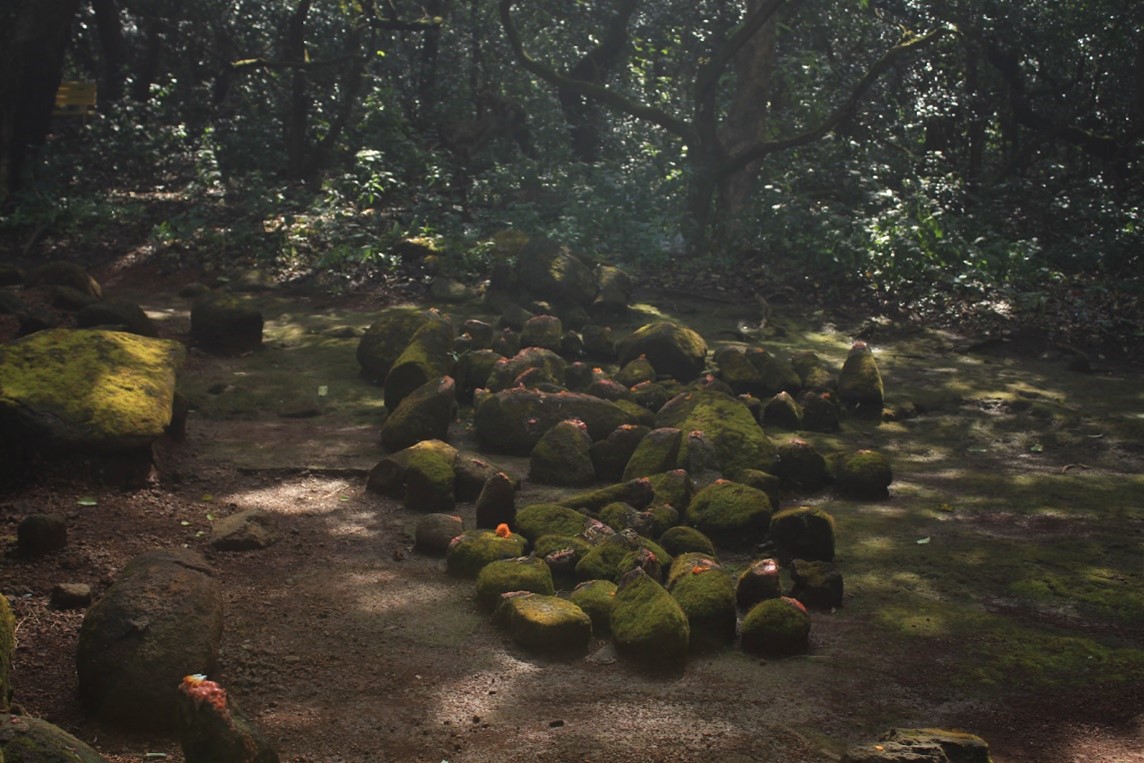
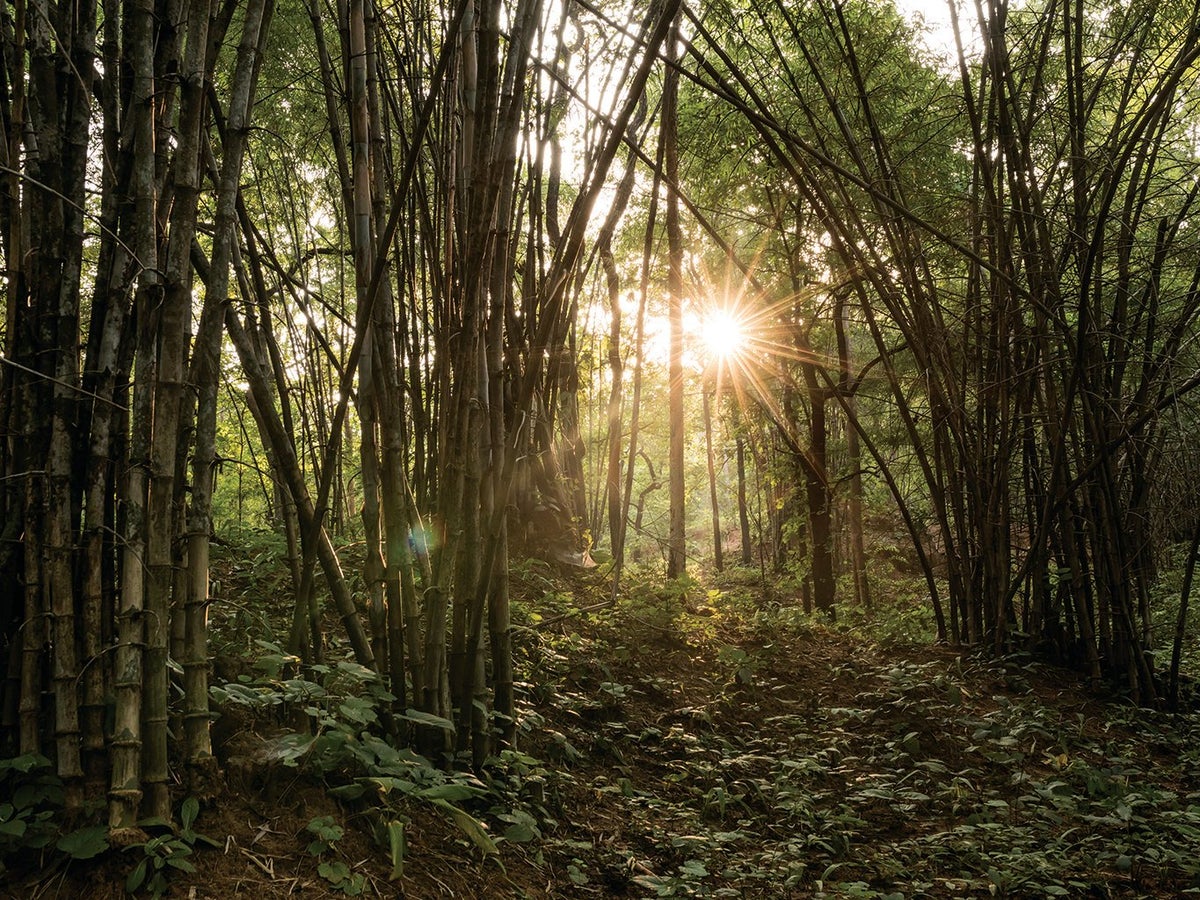
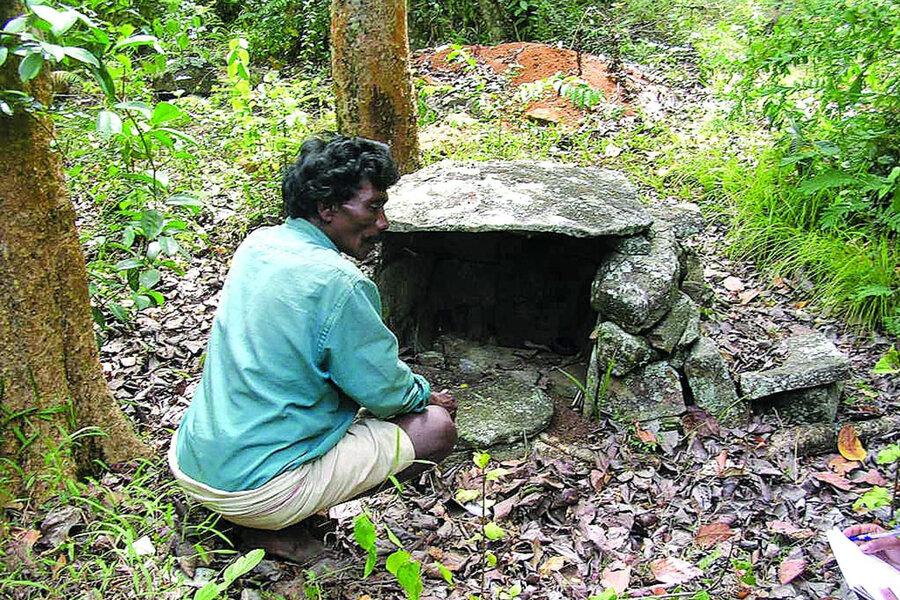
These sacred groves in India showcase how traditions preserve biodiversity:
Embracing Indigenous Wisdom for a Wilder Tomorrow
In 2026, as we face biodiversity crises, how indigenous knowledge protects wildlife offers hope low-cost, effective, and rooted in respect. But we must support land rights and integrate these insights into global efforts, avoiding past mistakes like displacement.
Think about it: Could your local park or backyard borrow from these ideas? What’s one way we can honor indigenous wisdom today?