

Common Car Myths vs Facts: Busting the Lies Every Driver Believes
Ever caught yourself saying “I need to let the engine idle for a few minutes before driving” or refused to buy an automatic because “they’re terrible on mileage”? These little car sayings have been passed around garages, family WhatsApp groups, and roadside chai stalls for decades. Some started with good intentions back when cars had carburetors and manual chokes. Others were just urban legends that refused to die.
With modern fuel-injected engines, CVTs, hybrids, EVs, and decades of real-world data, most of those old beliefs are either outdated or flat-out wrong. Let’s separate the common car myths vs facts so you can stop wasting time, fuel, and money—and maybe even smile the next time someone tries to sell you one of these classics.
Myth #1: You Need to Warm Up the Engine for 5–10 Minutes Before Driving
The classic one: “Let it idle till the temperature needle moves or you’ll kill the engine.”
Fact: Modern cars (basically anything built after the mid-1990s) do NOT need a long warm-up.
30 seconds to 1 minute of idling is usually enough for oil to circulate. After that, gentle driving while the engine is still warming up is actually better for it than sitting at idle for ages. Prolonged idling wastes fuel, increases emissions, and can cause more wear because oil doesn’t circulate as well at idle.
Car manufacturers and the EPA have been saying this for years. In cold climates, a short idle is fine for safety and comfort—but 5–10 minutes? Pure myth.

Myth #2: Premium Fuel Is Always Better for Your Car
“Always fill premium—the engine will perform better and last longer.”
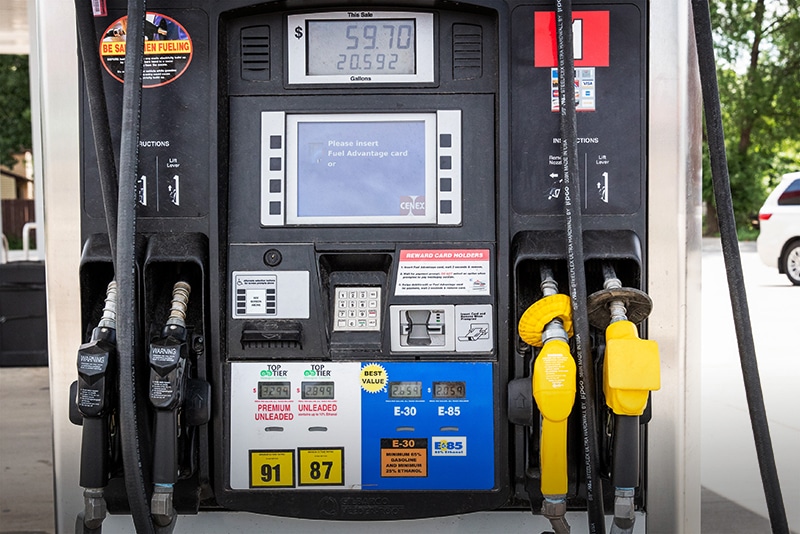
Fact: Unless your owner’s manual specifically requires premium (high-octane) fuel, regular unleaded is perfectly fine.
Premium fuel (91–93 octane) is only needed for high-compression or turbocharged engines that are prone to knocking. Most everyday cars are designed for 87–91 octane regular fuel. Using premium in them gives zero benefit—except lighter pockets.
Fuel stations often push premium aggressively, but unless you have a performance car or the manual says “premium recommended,” save the money.
Myth #3: Manual Cars Always Give Better Mileage Than Automatics
“Manual is always more fuel-efficient—automatics waste petrol.”
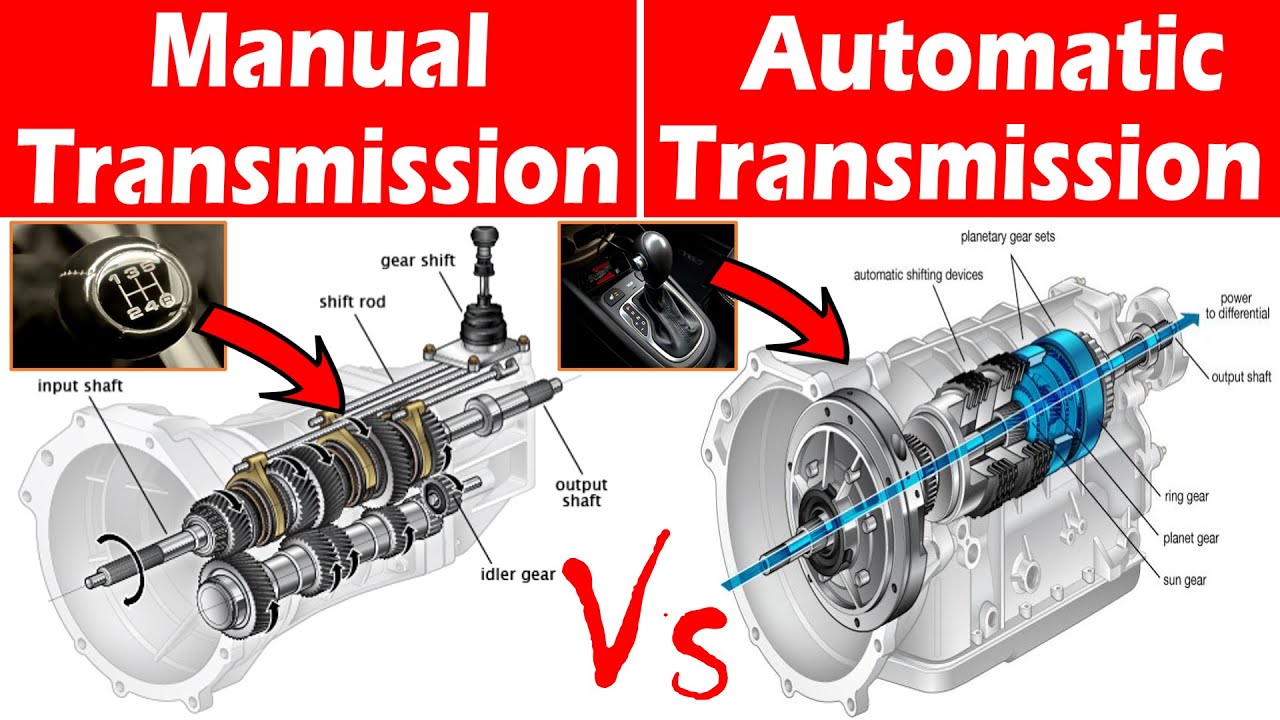
Fact: Not anymore. Modern automatics (especially CVT, torque-converter with lock-up, and DCT) often match or beat manuals in real-world conditions.
Why? Automatics shift at optimal points, avoid human error (over-revving, lugging), and in city traffic with constant stop-go, they’re frequently more efficient. Tests and user reports show many modern automatics return within 0.5–1 kmpl of their manual variants—or better.
The real difference today is usually less than 5%—not the 15–20% people used to claim.
Myth #4: Turning Off the AC Saves a Lot of Fuel (Vs. Windows Down)
“Switch off the AC and roll down the windows—you’ll save 20–30% fuel!”
Fact: In real driving conditions, the savings are usually 5–10% at best—and only at highway speeds.
Rolling down windows at high speed actually increases drag more than the AC compressor uses power. Studies show that above ~80 km/h, windows-up + AC is more efficient than windows-down without AC.
In city traffic? Keep the AC on if you want comfort—fuel savings are minimal either way.
Myth #5: Electric Vehicles Are More Expensive to Run Than Petrol/Diesel Cars
“EVs are cheap to buy but expensive to charge—plus, batteries die fast.”
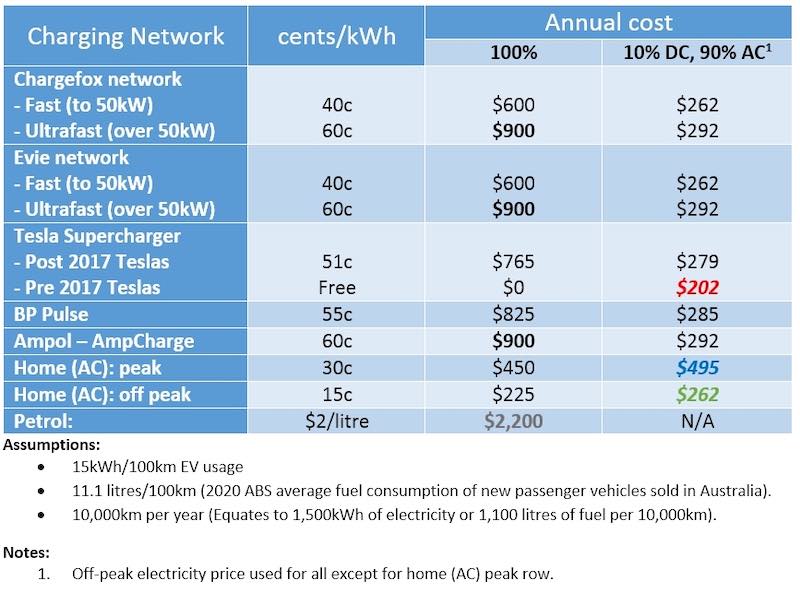
Fact: EVs are generally cheaper to run, with home charging costing far less per km than fuel.
Electricity rates make EV “fuel” about 20–50% cheaper than petrol/diesel, depending on your location and charging method. Batteries last 10–20 years in modern EVs, with warranties often covering 1,00,000+ km. Maintenance is easier and cheaper—no oil changes, fewer moving parts.
The myth lingers from early EVs, but 2026 models are reliable and cost-effective for daily use.
Myth #6: EVs Perform Poorly in Cold Weather
“EVs lose all their range in winter—they’re useless in cold climates.”
Fact: Cold weather does reduce range (by 20–40%), but EVs are still very usable with proper planning.
Batteries work less efficiently in cold, and cabin heating draws power. But preconditioning (warming the car while plugged in) minimizes loss. Modern EVs like those with heat pumps handle cold better than older models. In places like Norway (cold and EV-heavy), drivers thrive with planning.
It’s not a deal-breaker—just like how petrol cars guzzle more in cold starts.

Why These Myths Stick Around (And Why It Matters)
Many of these car myths were born in the 1970s–1990s when engines, fuels, and transmissions were very different. Today’s cars are smarter, more efficient, and more durable—but old advice lingers because it “feels right” and gets repeated.
Knowing the common car myths vs facts saves you money, reduces unnecessary stress, and helps you actually take better care of your vehicle.
So next time someone tells you to “rev the engine to clean it” or insists premium fuel is a must, smile and drop the real story. You might save them a few thousand rupees—or a lot of guilt.