
Nightlife: What Wild Animals Do After Dark, A Thrilling Peek into the Hidden World
This isn’t the tame, daytime zoo you know. The wildlife nightlife is a shadowy, thrilling realm where nocturnal animals rule with superpowers like silent wings, glowing lures, and ears that hear a heartbeat from afar. About 70% of mammal species are nocturnal or crepuscular (active at dawn/dusk), evolving to thrive in the dark to avoid heat, predators, or competition. Let’s sneak into this after-dark world and see what wild animals do after dark – from heart-pounding hunts to romantic serenades that might just make you appreciate the silence a little less.
Why the Night Shift? The Smart Reasons Animals Go Dark
Not every animal is a night owl by choice – evolution made it a winning strategy. Daytime can be brutal: scorching heat in deserts drains water, bright light exposes prey, and big daytime hunters like eagles dominate the skies. Night flips the script.
- Cooler temps and energy savings: In hot climates, animals like fennec foxes save water by foraging when temps drop from 50°C daytime highs to 10°C at night.
- Stealth advantage: Darkness hides hunters and helps prey evade daytime threats.
- Sound superpower: Calls travel farther without daytime noise, perfect for mating or warnings.
It’s not laziness – it’s genius. Now, let’s meet the stars of this nocturnal show.
Silent Hunters: The Stealth Masters of the Dark
When the sun sets, the predators clock in – and their after-dark tactics are straight out of a spy thriller.
Owls: Feathered Ninjas with Radar Ears
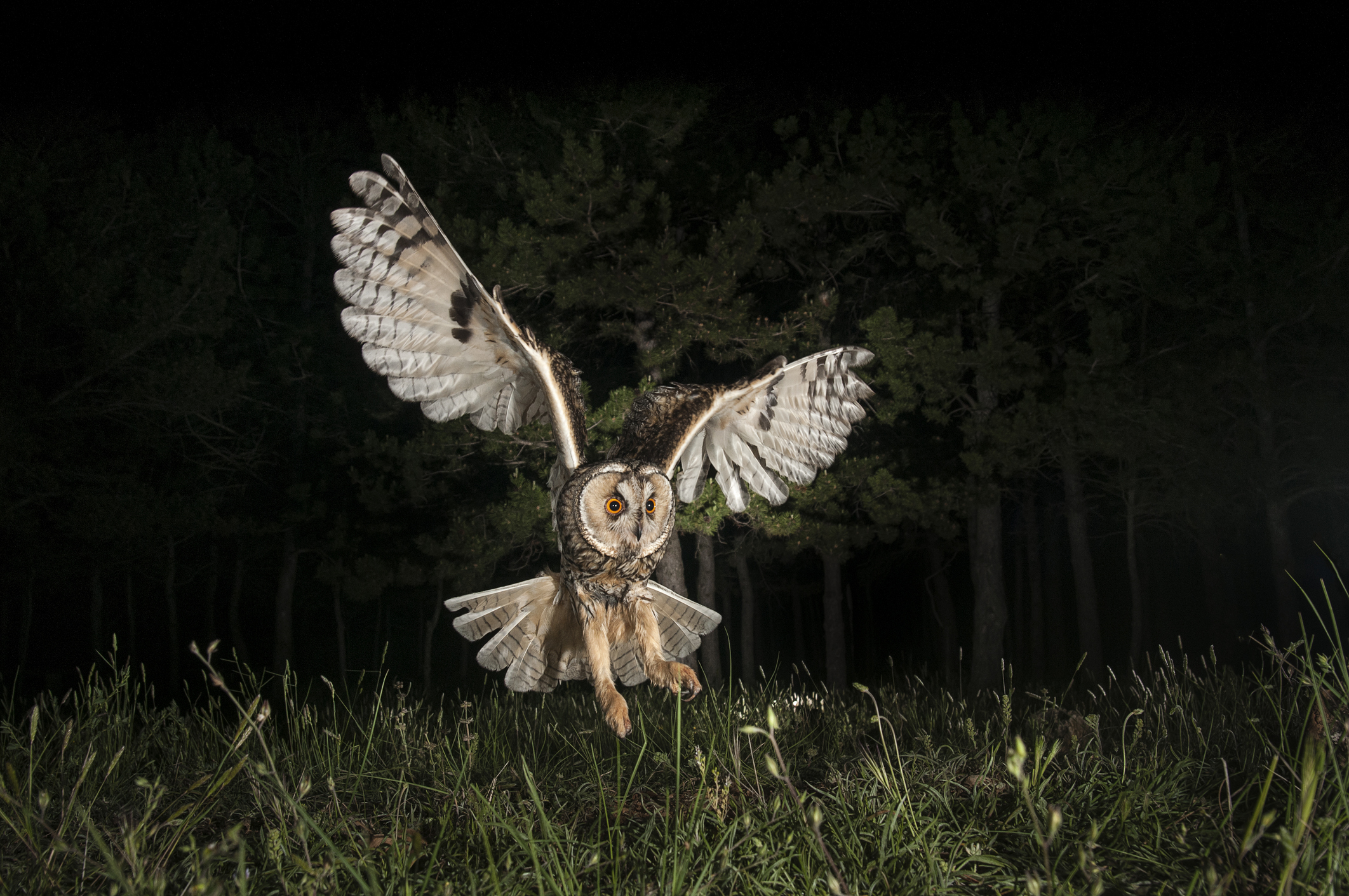
Owls don’t just fly quietly; they ghost through the night. Special feather fringes muffle wingbeats, making them nearly silent assassins. Their huge eyes suck in six times more light than ours, and asymmetrical ears create 3D sound maps – they can pinpoint a mouse’s rustle in total darkness.
Real thrill: The barn owl’s heart-shaped face acts like a satellite dish, funneling sounds for pinpoint strikes. One swoop, and dinner’s done – no wonder they’re called “nighttime ghosts.”
Leopards: Tree-Climbing Ambush Artists
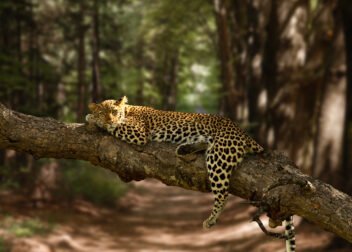
Leopards slink through savannas like shadows, their rosette spots blending with moon-dappled leaves. They hunt solo after dark, using whiskers to feel air currents from hiding prey. Catch one dragging a 50kg antelope up a tree? That’s their signature move – stashing kills high to keep hyenas at bay.
These nocturnal animals turn night into their playground, proving stealth beats speed every time.
Behold the eerie grace of a hunting owl in the moonlit woods:
Glow Parties: Bioluminescence Lights Up the Night
Not all nightlife is stealthy – some animals throw a rave with their own light show. Bioluminescence (chemical glow) isn’t just pretty; it’s a survival hack for communication, hunting, and camouflage.
- Fireflies: These beetles flash Morse code in the dark to find mates – each species has its own rhythm, like nature’s disco signals. In summer fields, it’s a blinking love fest.
- Anglerfish: Deep-sea females dangle a glowing lure like a fishing rod to attract curious prey – then snap! Dinner in the abyss.
- Glow Worms: In New Zealand caves, these larvae hang sticky silk threads that shimmer like stars, luring insects to their doom.
It’s evolution’s neon sign: light in the dark isn’t random – it’s romance, trap, or disguise.
Picture the mesmerizing flash of fireflies turning a meadow into a living light show:
Love Calls and Family Reunions: Nighttime Social Scenes
Darkness isn’t lonely – it’s when many animals connect. Sound rules the night, turning forests into symphony halls.
- Wolves: Howls aren’t just spooky movie effects; they’re pack roll calls, mating ads, and territory claims that echo 10 km. A lone wolf’s call can reunite the family after a hunt.
- Tasmanian Devils: These feisty marsupials screech and grunt like horror villains during mating chases – loud, chaotic, and oddly charming.
- Howler Monkeys: Their dawn/dusk roars rival jet engines, coordinating troops and warding off rivals across the canopy.
These wildlife nightlife sounds aren’t noise – they’re the glue holding social bonds tight.
Sky Dancers: The Silent Flyers of the Night
Night skies buzz with aerial acrobats that glide, flap, and echo-locate without a sound.
- Bats: The ultimate night flyers, using echolocation clicks to snag insects mid-air – one bat can eat 1,000 mosquitoes in an hour. Vampire bats even share blood meals with roost-mates.
- Nightjars: These camouflaged birds “churn” through the air with silent wings, scooping moths on the fly.
- Flying Squirrels: Gliding squirrels launch from trees, using skin flaps like parachutes to cover 50 meters in the dark – perfect for fruit raids.
These flyers own the night air, turning darkness into their highway.
Witness the graceful glide of a flying squirrel under moonlight:
The Bigger Picture: Why Nightlife Keeps the World Spinning
This wildlife nightlife isn’t just entertaining – it’s essential. Nocturnal pollinators like bats fertilize night-blooming plants (think agave for tequila). Predators control pest populations, and glowing fungi spread spores via tricked insects.
But human lights are disrupting it: artificial glow confuses fireflies and disorients baby sea turtles. Protecting dark skies means healthier ecosystems for all.
Next time you’re out after dark, pause and listen. The night’s full of stories – hunts, loves, flights – proving the world never really sleeps.