
Why Cars Break Down (And Simple Ways to Prevent It Before It Happens)
The Most Common Reasons Cars Break Down
Let’s get real: cars don’t just quit for no reason. Data from roadside services like AAA and others show clear patterns in what strands drivers most often. Here’s the lineup of usual suspects.
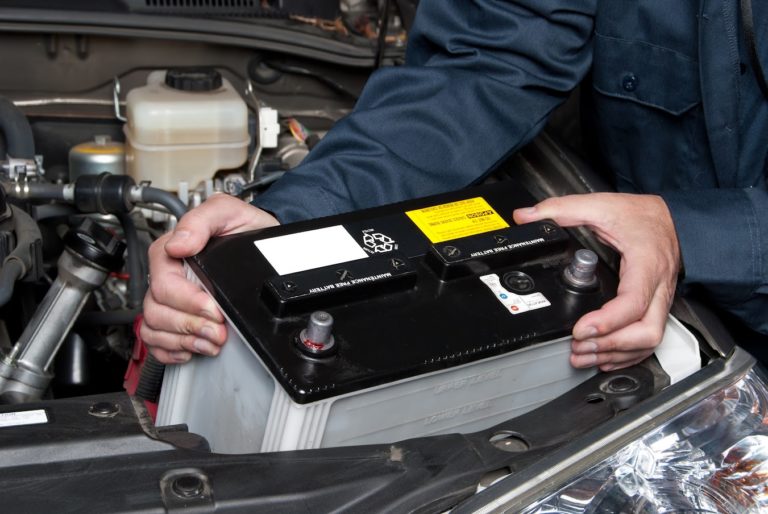
Dead or Faulty Battery Tops the List Around 30% of breakdowns stem from battery issues. Batteries typically last 3–5 years, but extreme weather, short trips, or leaving lights on can kill them sooner. You turn the key (or push the button), and… nothing but clicks or silence.

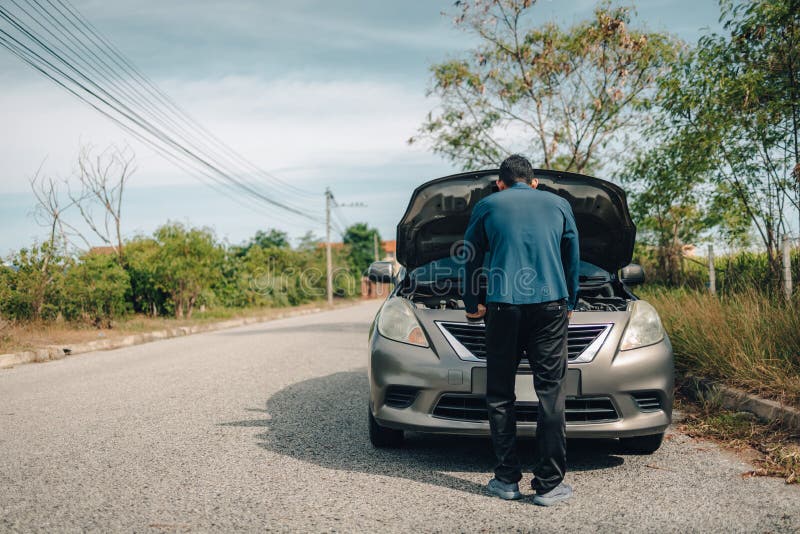
Engine Overheating and Cooling System Failures About 11% of serious breakdowns involve the cooling system—think radiator leaks, bad thermostats, or failing water pumps. Ignore that temperature gauge creeping up, and boom: steam everywhere and a cooked engine.
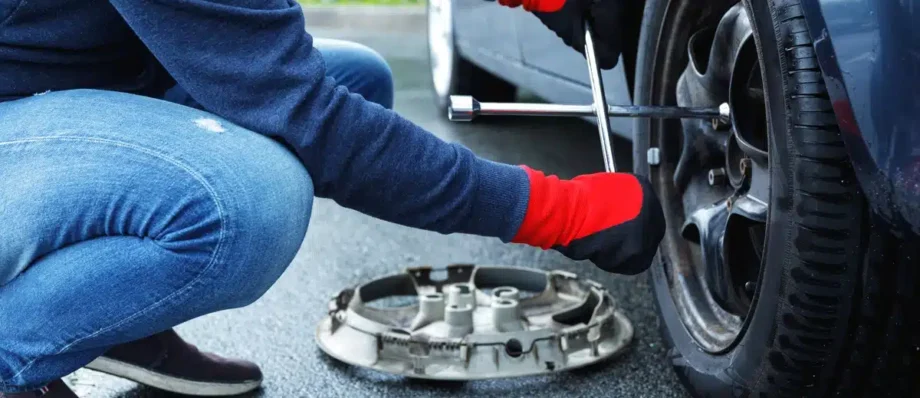
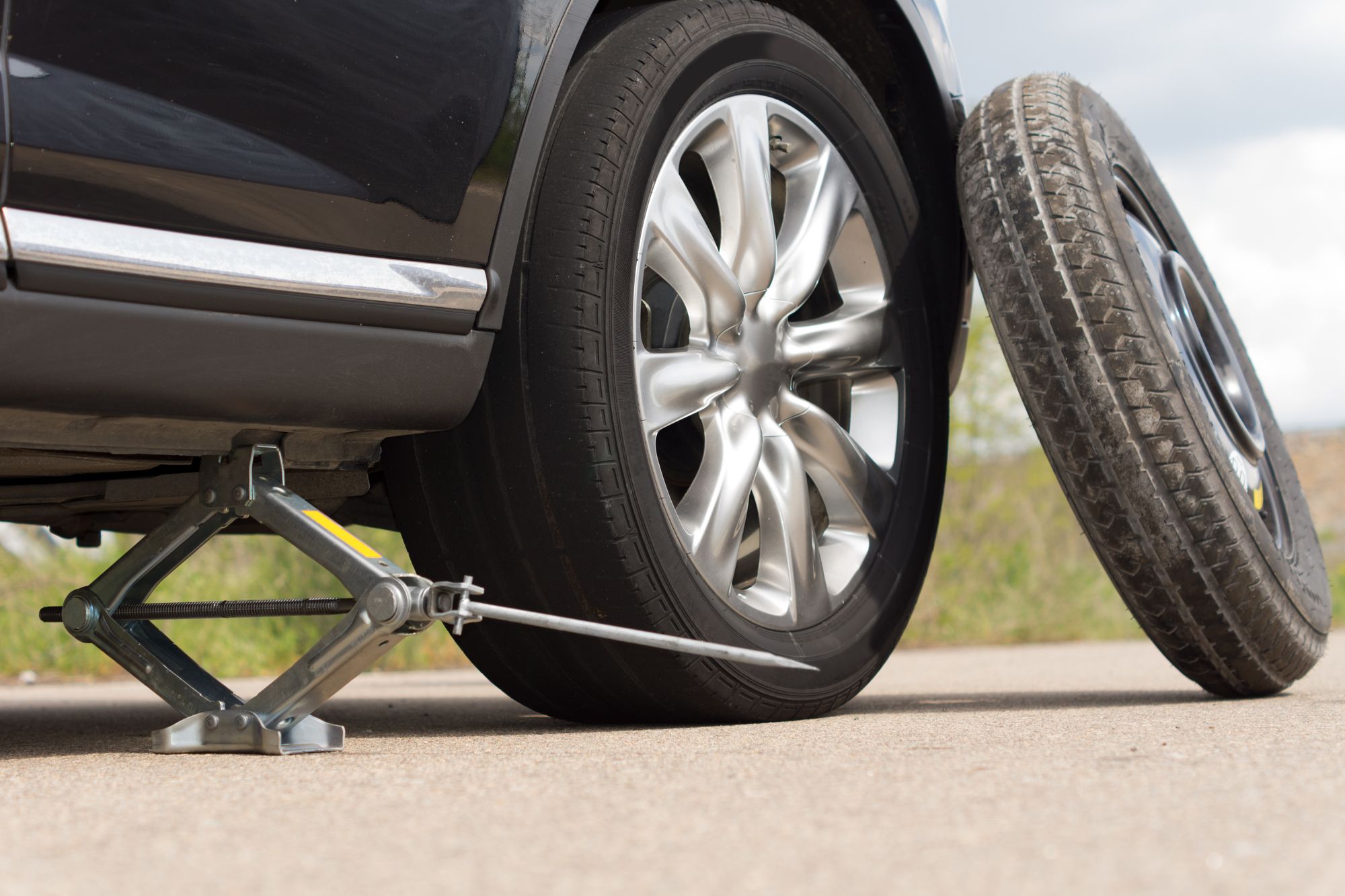
Flat Tires or Tire Damage Punctures, blowouts, or worn-out treads account for a big chunk of calls. Running over debris happens, but underinflated tires or ignoring wear make it way more likely.
Other Sneaky Culprits
- Alternator problems (it charges your battery while driving if it fails, everything drains fast).
- Running out of fuel or bad gas.
- Electrical glitches or starter issues.
Older cars (10+ years) are twice as likely to break down and four times more likely to need a tow. But even newer rides aren’t immune if maintenance slips.
Real Stories: When Ignoring the Basics Cost Drivers Big Time
Picture this: A friend of mine skipped his oil change for way too long. One highway trip later, the engine seized up—total loss. Preventable? Absolutely. Or the classic: someone ignores the low tire pressure light for months, hits a pothole, and ends up with a shredded tire and a tow bill. These aren’t dramatic tales; they’re everyday realities where small oversights snowball.
Stats show millions of breakdowns yearly in the U.S. alone, costing billions. The good news? Most are avoidable with basic care.
How to Prevent Car Breakdowns: Practical Tips You Can Do Right Now
You don’t need to be a mechanic to keep your car reliable. Focus on these habits, and you’ll dodge most roadside drama.
Regular Oil Changes and Fluid Checks Follow your owner’s manual (usually every 5,000–7,500 miles for oil). Fresh oil keeps the engine happy. Also peek at coolant, brake fluid, and transmission fluid levels monthly—top off if low.

Battery Maintenance Test it annually (many auto parts stores do this free). Clean terminals if corroded, and replace around year 4–5. In cold weather, a weak battery is even more vulnerable.
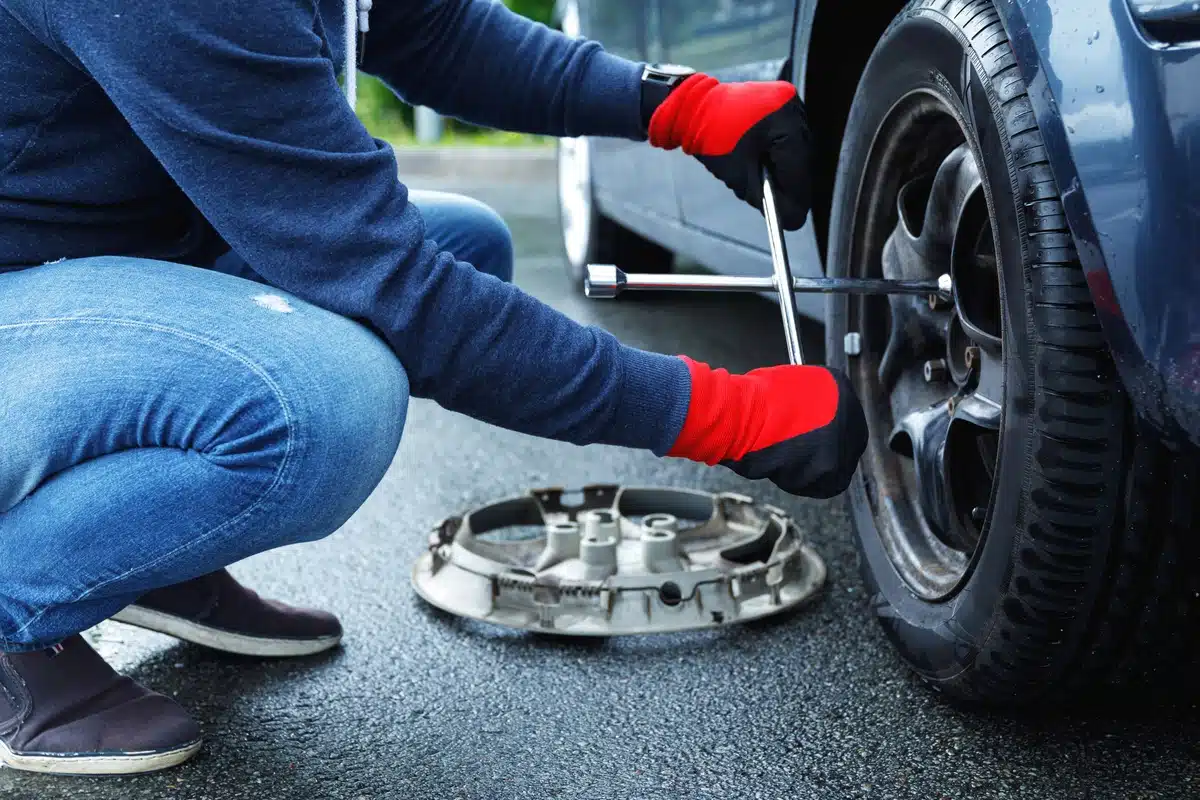
Tire Care Routine Check pressure monthly (use the door jamb sticker for the right PSI). Inspect tread depth and rotate tires every 6,000 miles. Replace when worn—don’t wait for a blowout.
Cooling System Basics Keep coolant topped up and watch for leaks. Flush the system per schedule (often every 30,000–60,000 miles). Never ignore overheating signs—pull over safely ASAP.
Pay Attention to Warning Lights Those dashboard icons aren’t decorations. A check engine light or battery warning means act now, not later.

Bonus Prevention Moves
- Schedule professional inspections yearly.
- Don’t ignore weird noises, vibrations, or smells.
- Keep an emergency kit: spare tire, jack, jumper cables, flashlight.
These steps aren’t glamorous, but they’re powerful. Consistent care turns “why me?” into “no problem.”
Wrapping It Up: Take Control Before Your Car Does
Cars break down mostly because of neglect, not fate. Dead batteries, overheating, flat tires these top causes are almost always preventable with simple, regular attention. By staying proactive, you save cash, stress, and potentially dangerous situations.