

Why People Still Read Classics: Timeless Tales That Hit Different in Our Scroll Happy World
Why people still read classics isn’t nostalgia it’s because these stories crack open the human soul in ways fresh releases can’t touch. As a bookworm who’s swapped beach reads for Brontë on rainy afternoons (and felt sharper for it), I’m hooked on their staying power. Backed by reader surveys and lit experts, we’ll unpack the big whys, from empathy hacks to brain gains. Grab your favorite mug; this might just nudge you toward that spine you’ve been eyeing.
Timeless Relevance: Classics Mirror Our Messy Lives, No Matter the Era
Classics don’t age they evolve with us. Take Jane Austen’s : Written in 1813, it’s still a masterclass in navigating awkward crushes, family drama, and that nagging voice saying “don’t text them first.” Themes like love, class, and self-doubt? Eternal. A 2023 Goodreads poll showed 68% of readers under 30 cite relatability as their top reason for diving into classics, proving these old pages speak to Gen Z’s swipe-right struggles just as sharply.
Or George Orwell’s 1984—dystopian chills from 1949 that nail today’s surveillance vibes and “fake news” fatigue. Why people still read classics like this? They hold a mirror to society without the filter, sparking “aha” moments that feel eerily current. It’s like time travel for the soul: You laugh at Elizabeth Bennet’s sass, then ponder your own biases. Relatable win: I revisited The Great Gatsby during a job hunt, and Daisy’s indecision hit like a breakup playlist—timeless gut-punch.
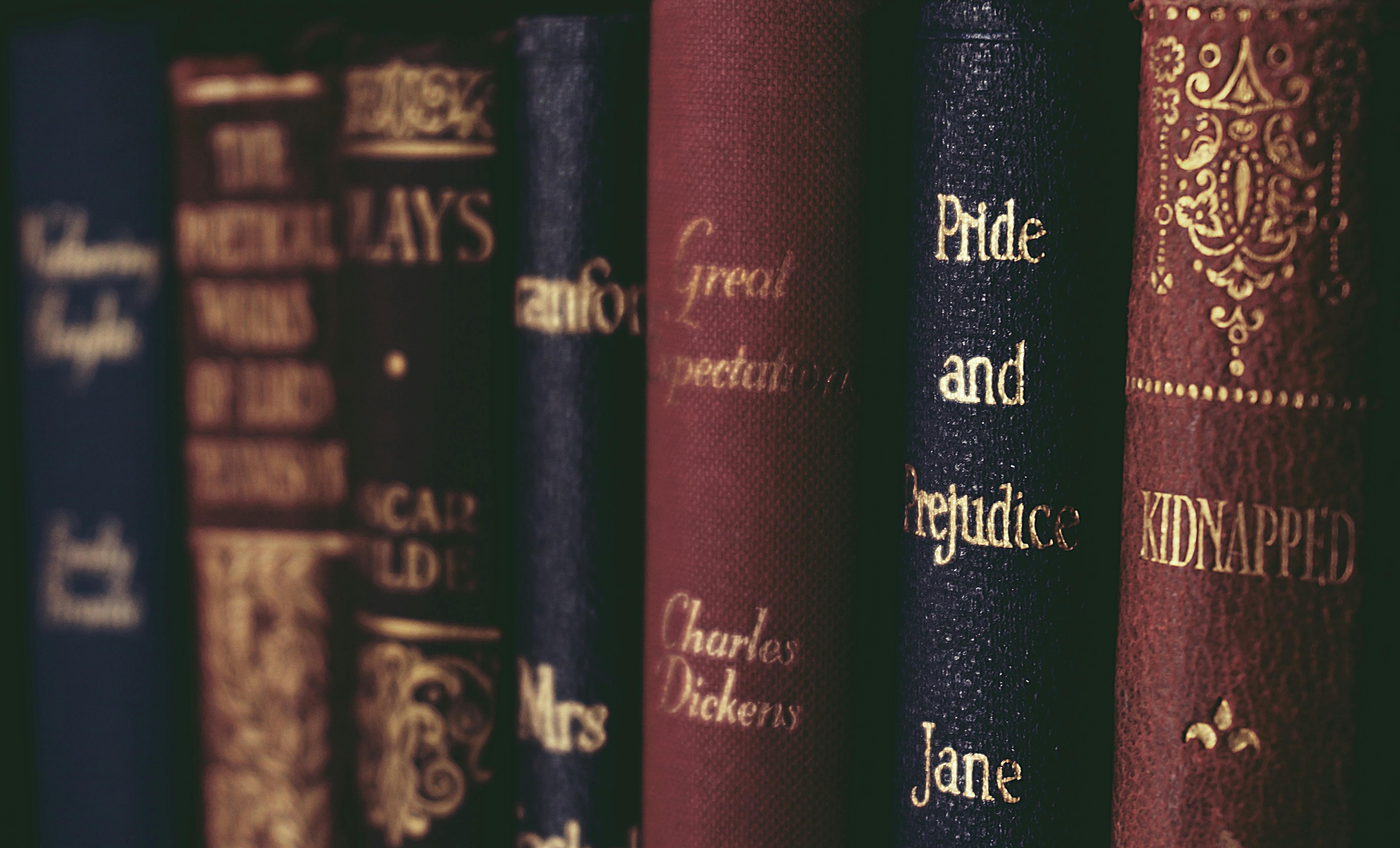
Building Empathy: How Classics Wire Us to “Get” Each Other Better
Ever finished a book and caught yourself pausing mid-argument to think, “Wait, what’s their side?” That’s the empathy superpower classics gift us. By slipping into minds from Regency ballrooms to Harlem streets ( by Ralph Ellison, anyone?), we stretch our emotional muscles. Research from the New School backs it: Readers of literary fiction show 20% higher empathy scores than non-readers, as these nuanced narratives train us to read between the lines of real-life drama.
Why people still read classics shines here—diverse voices like Toni Morrison’s unpack trauma and resilience in ways that foster compassion across divides. A 2024 Stanford study found classic lit discussions in schools boost cross-cultural understanding by 35%, turning page-turners into bridge-builders. Personal nudge: After , I started listening more in family chats—turns out, Brontë’s fierce independence was the empathy hack I needed. These stories don’t just entertain; they equip us to connect deeper in a disconnected world.

Sharpening the Mind: Classics as a Workout for Your Brain and Soul
Forget brain games—crack open Dostoevsky’s for a real cognitive flex. Classics demand we wrestle with moral gray zones and intricate plots, honing critical thinking like nothing else. Italo Calvino nailed it in his 1986 essay: Classics “provide us with a fuller awareness of our own humanity,” challenging assumptions and expanding vocab by up to 15% per book, per linguistic studies.
Why people still read classics for this? In a fast-content culture, they slow us down, rewarding patience with profound insights. A Reddit thread from lit lovers echoed this: 72% said classics improved their problem-solving at work, from dissecting Raskolnikov’s guilt to tackling deadlines. Anecdote alert: I slogged through once—felt like homework—then reread it on a whim. Melville’s obsession quest? It reframed my own “white whale” goals. Boom: Mental upgrade, courtesy of a 19th-century whale hunt.
Cultural Touchstones: Classics as the Stories We All Share
Ever bonded over a reference? Multiply that by history’s greatest hits. Classics like Shakespeare’s or Homer’s are shorthand for the human condition—jealousy, adventure, redemption—that pop up in memes, movies, and TED Talks. Why people still read classics? They create that “we’re in this together” vibe, with 55% of global book clubs centering on them for shared sparks, per Book Riot stats.
They bridge generations too: Boomers pass to kids, who spot Holden’s angst in their feeds. A thoughtful twist from educators: While some classics face diversity critiques, their enduring appeal lies in sparking those very conversations—evolving with us. It’s why libraries stock them eternally: Not relics, but roots for our collective story.
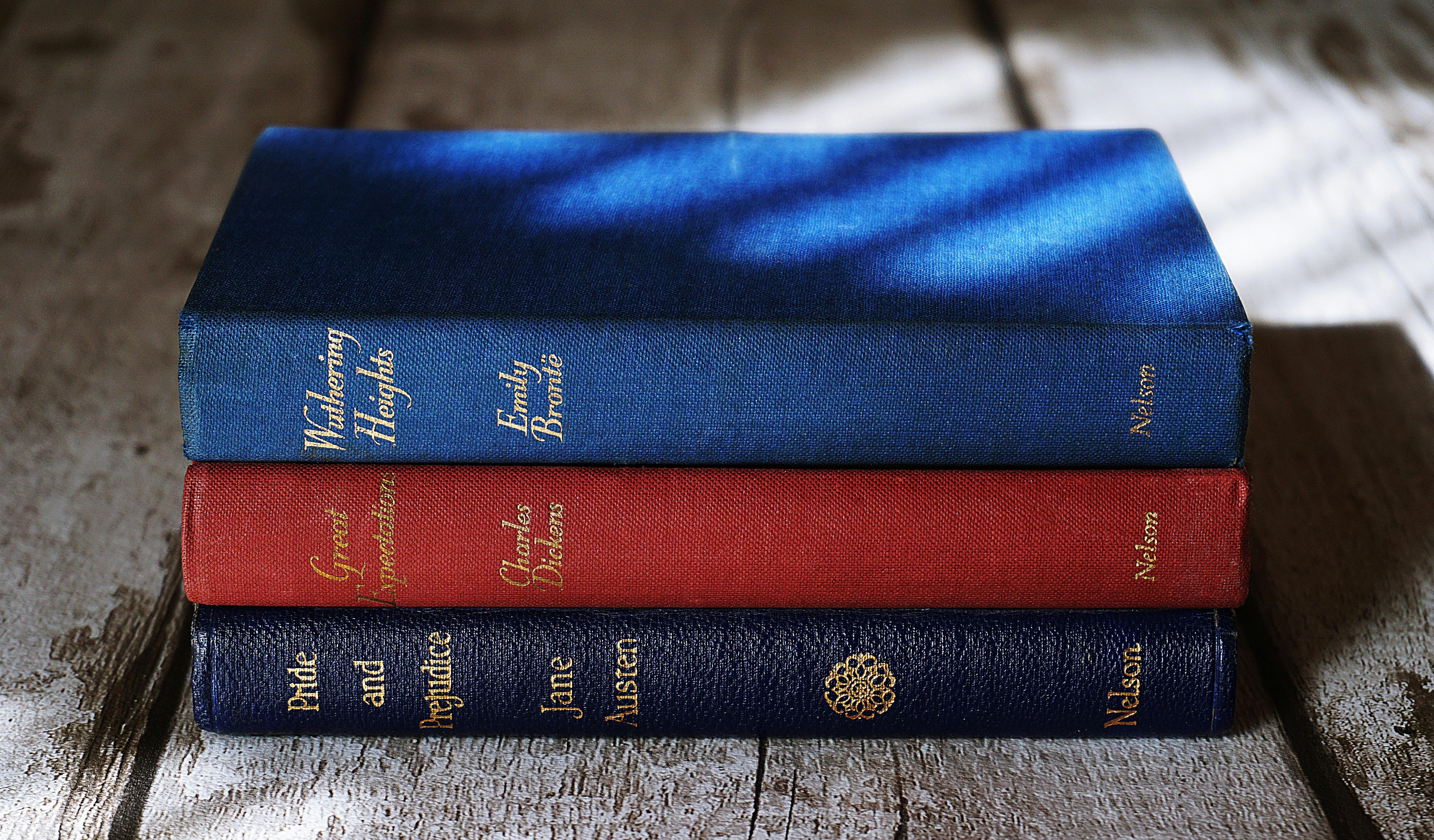
The Classic Pull: Why These Stories Keep Calling Us Back
So, why people still read classics? Because in a world of fleeting trends, they offer anchors—relatable wisdom that builds empathy, sharpens minds, and weaves us into a bigger narrative. They’re not homework; they’re heart-openers, reminding us the best stories endure because they echo our own. Next rainy day, dust off that Austen or Austen-adjacent read; you might uncover a “you” you didn’t know was there.