

The Impact of Technology on Sports Performance: How Gadgets Are Leveling Up Athletes and Games
Wearable Tech: Tracking Every Step for Smarter, Safer Performance
Gone are the days of gut-feel coaching now, wearables like fitness trackers and smart clothing turn athletes into walking data hubs. These gadgets monitor metrics like heart rate, acceleration, and even sleep quality, helping tweak training to avoid burnout or injury.
Take the 2022 FIFA World Cup: 18 of 32 teams, including champs Argentina, used wearables from companies like Catapult to optimize player loads. Result? Fewer mid-game meltdowns and sharper plays. Stats show wearables cut injury risks by up to 30%, with the market hitting $178 billion in 2024 alone. Relatable twist: Even weekend warriors use apps like Whoop to track recovery—my buddy shaved minutes off his 5K by heeding its “strain” alerts. The impact? Technology democratizes elite training, making pros out of amateurs.

AI and Data Analytics: The Brain Boosting Athletic Edge
AI isn’t just chatbots—it’s the silent strategist revolutionizing sports. By crunching game footage and biometrics, it spots patterns humans miss, from optimal plays to injury red flags.
Liverpool FC uses AI for player scouting and performance tweaks, while MLB’s Statcast tracks everything from pitch spin to outfield sprints. The sports analytics market? Ballooning to $31 billion by 2034, thanks to AI’s 30% growth spurt. Anecdote: In basketball, the Golden State Warriors’ AI chatbot crunches stats for fans, but behind scenes, it fine-tunes shots—helping Steph Curry’s legendary threes feel less like luck. Thought-provoking: If AI predicts wins with 75% accuracy, does it steal the thrill, or amp the strategy?

VR and Immersive Training: Practice Makes Perfect, Minus the Pitch
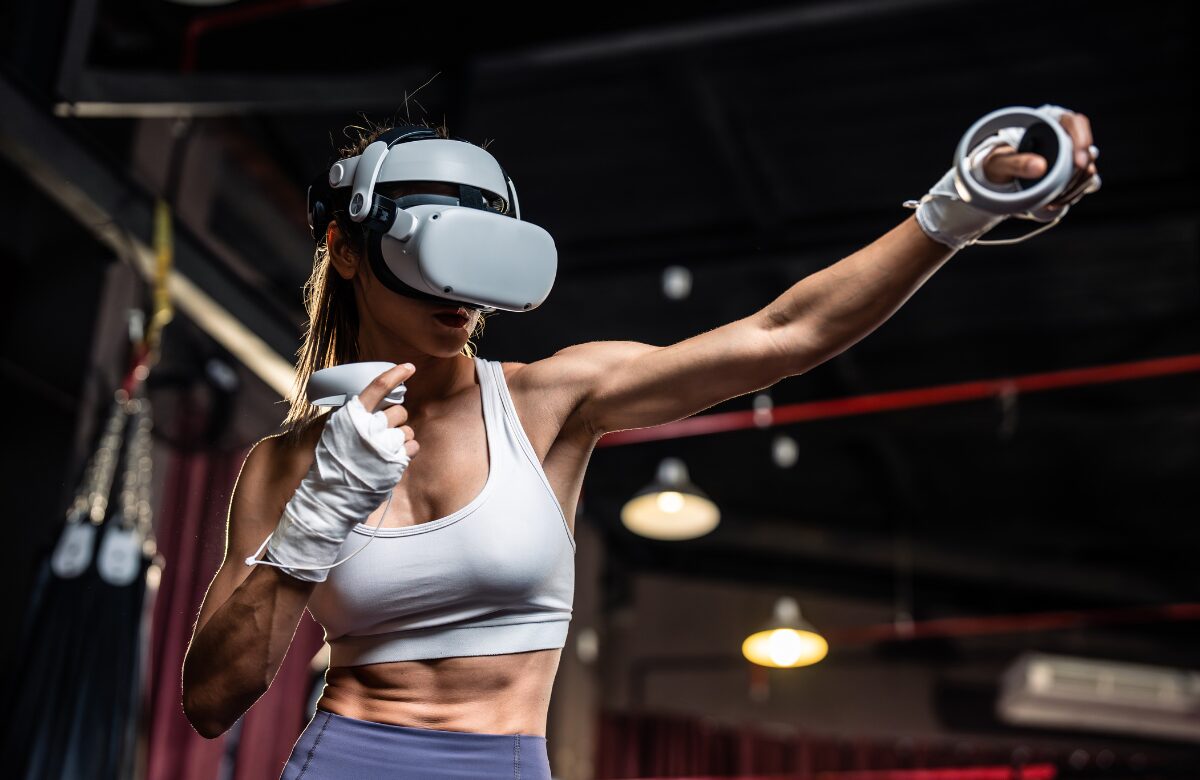
Virtual reality flips training upside down—athletes “play” in simulated stadiums, honing skills without weather woes or wear and tear. Motorsports pros use VR to lap tracks mentally, boosting reaction times by 20%.
In rehab, VR lets injured players maintain form risk-free, cutting downtime. A Deloitte report notes digital tools like this are exploding, with 7% of sports leaders calling their tech “market-leading.” Fun example: NFL quarterbacks “throw” to virtual receivers, sharpening reads. For us mortals? Apps like Zwift turn home bikes into pro races. The impact of technology on sports performance here? It levels fields, turning off-seasons into on-point prep.
Equipment and Officiating Innovations: Fairer Plays, Faster Games
Tech isn’t all behind scenes—it’s on the field too. Hawk-Eye in tennis calls lines with 99.9% accuracy, slashing arguments and speeding matches. Soccer’s VAR reviews goals in seconds, though not without controversy—it’s cut errors by 90% but added drama.
Equipment wise, carbon-fiber shoes like Nike’s Vaporfly shaved marathon times by 4%, sparking “tech doping” debates. Stats: Biomechanics tech optimizes gear, boosting performance 5-10% across sports. Relatable: Remember that perfect ump call in your league game? Tech makes pros envy our backyard fairness. But ponder: Does it make sports too perfect, or just better?

The Flip Side: Ethical Twists and the Future of Tech in Sports
Tech’s a double-edged sword—AI scouting raises privacy flags, while performance boosts widen rich-team gaps. Deloitte warns: Without ethics, trust erodes. Future? Expect more AR for fans and biofeedback for athletes, with women’s sports leading tech adoption. It’s exciting, but asks: How do we keep the human spark alive?
Game On: Embracing Tech’s Playbook for Peak Performance
The impact of technology on sports performance is massive turning guesses into data-driven triumphs, from wearables warding off injuries to AI unlocking strategies. It’s not replacing grit; it’s amplifying it, making sports safer, smarter, and more inclusive. As markets boom and innovations roll, one thing’s clear: Tech’s the ultimate teammate.