Parenting Behaviors in the Wild: 5 Animal Lessons That’ll Make You Rethink Raising Kids
Fierce Protection: Lion Moms and the Art of Standing Guard
In the sun-baked savannas, a lioness isn’t just hunting she’s a fortress on fur. She’ll relocate her cubs every few days to dodge predators, teaching them stealth while fending off rivals with roars that echo for miles. It’s intense: Cubs have a 60-70% mortality rate in the wild, so mom’s vigilance is life or death.
Lesson for us: Boundaries with bite. Like lions, we protect without smothering set clear “no-go” zones (screen-free dinners?) while letting kids test edges. A Medium deep-dive notes this builds “secure attachment,” mirroring how cubs thrive under watchful eyes. Relatable? My “roar” over bedtime stories kept my toddler safe and snuggly.

Shared Duties: Penguin Pairs and the Power of Teamwork
Down in Antarctica’s icy hellscape, emperor penguins flip the script: Dads incubate eggs on their feet for two months, balancing them on toes while moms trek 50 miles for fish. They swap with precision handoffs, regurgitating meals to fatten chicks. Survival rate? Impressive 95% for eggs that make it to hatch.
Lesson for us: Tag-team triumphs. Parenting behaviors in the wild like this scream “village it up”—share loads with partners or pals to avoid burnout. WWF highlights how this alloparenting (aunties and uncles pitching in) mirrors human gains, cutting stress 25%. Anecdote: Our family “huddle” for school runs? Chaos to chorus in weeks.
Community Care: Elephant Herds and the Alloparent Advantage
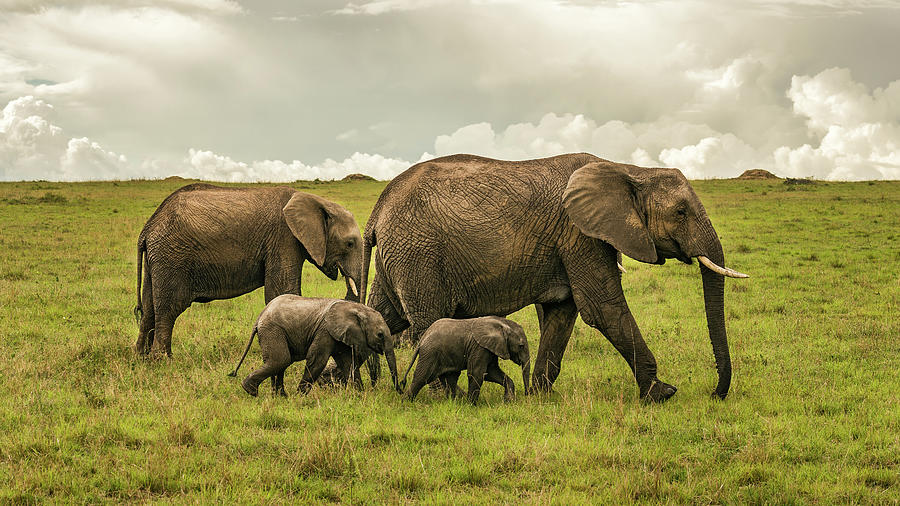
African elephants roll deep—matriarch-led herds where “allomoms” (aunties, sisters) groom, guard, and guide calves for years. Babies nurse from any female, learning social smarts through trunk taps and trunkfuls of mud baths. Herds boost calf survival 30% via this extended family net.
Lesson for us: It takes a herd. In human terms, lean on your circle for playdates or advice—studies show alloparenting fosters empathy, upping kids’ social IQ by 15%. Thought-provoking: In our solo-parent epidemic (23% of US families), could “herd hires” like co-ops be the fix?
Pack Mentorship: Wolf Families and Teaching Through Play
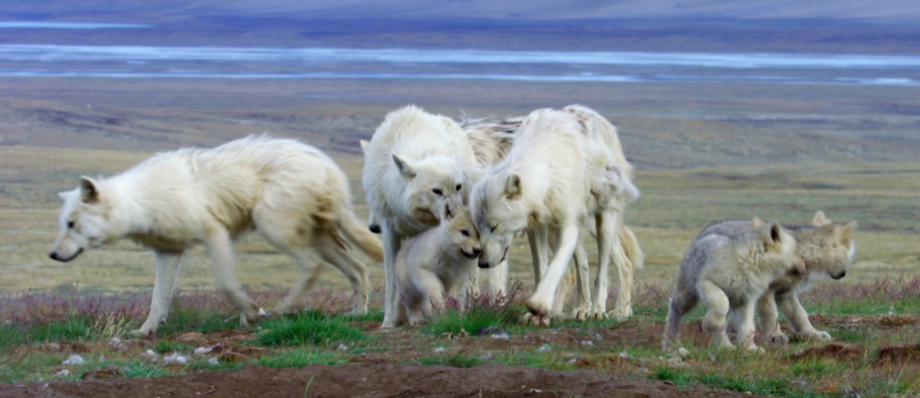
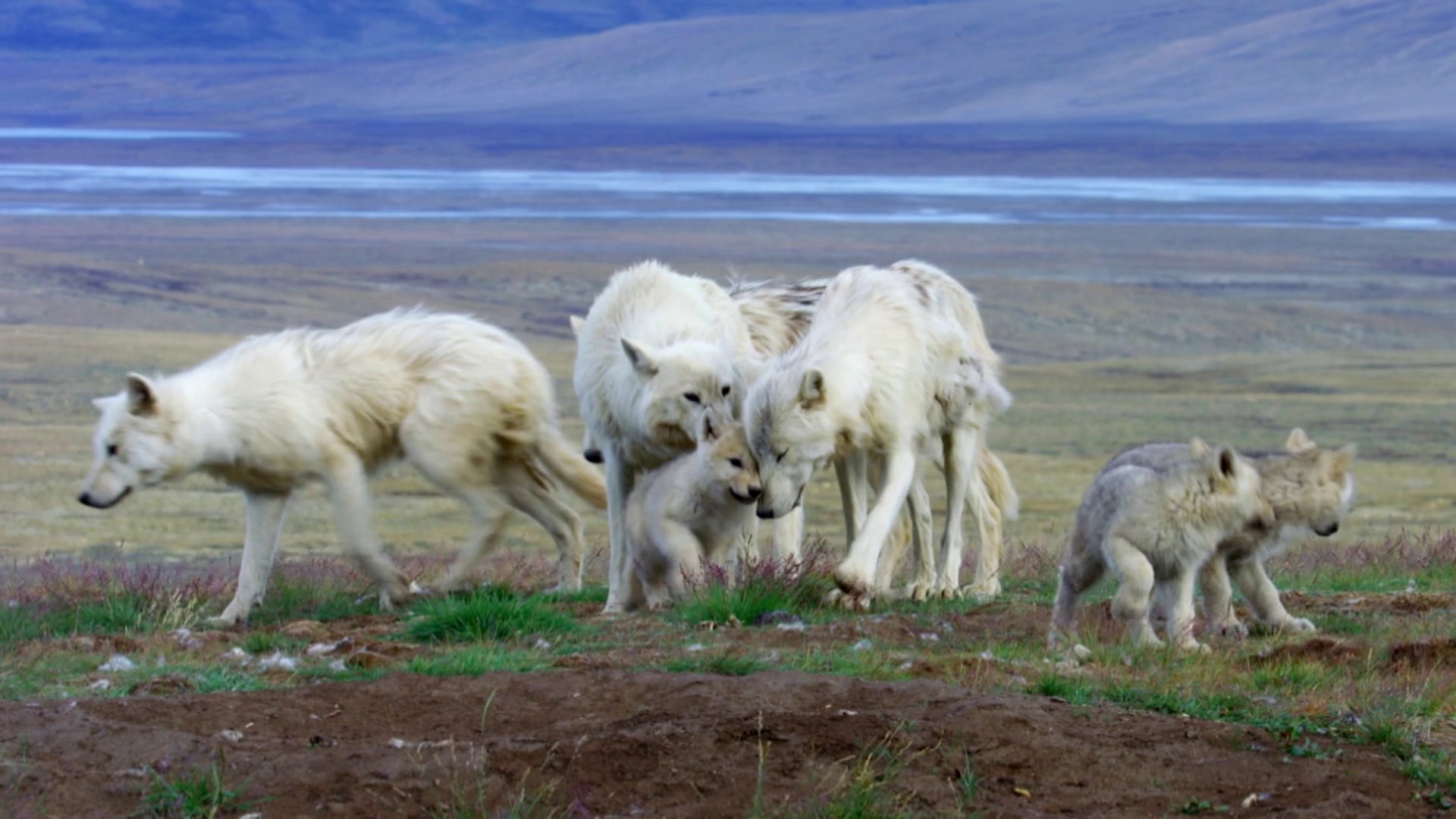
Gray wolves raise pups communally, with alphas modeling hunts via rough-and-tumble chases that build coordination and courage. Pups “fail” safely—tripping into snowdrifts—learning resilience without real risk. Packs ensure 80% pup survival, thanks to this guided goofing.
Lesson for us: Play-powered growth. Encourage unstructured romps—mud pies, tag games—to spark problem-solving, echoing how wolf play hones hunters. Fatherly notes animal discipline (gentle nips for boundaries) inspires consistent, calm corrections over yells. My crew’s backyard “wolf runs”? Tantrums down, giggles up.

Ultimate Sacrifice: Octopus Moms and the Grace of Letting Go
Deep-sea octopuses star in sacrifice: Females glue eggs to rocks, fanning them oxygen for 4-6 months—starving herself to guard against currents and crabs. Hatchlings emerge ready to roam; mom’s mission complete. It’s evolution’s gut-punch: 99% of females die post-brood.
Lesson for us: The beautiful release. Parenting behaviors in the wild culminate here—nurture independence so kids launch strong. Inverse suggests this “letting go” mirrors our empty-nest prep, easing transitions. Bittersweet? Absolutely, but seeing my fledglings flap solo? Pure pride.
Wild Wisdom: Bringing Nature’s Nurture Home
Parenting behaviors in the wild aren’t fairy tales they’re fierce blueprints for raising tough, kind kids. From lion roars to octopus farewells, animals remind us: Protect with purpose, play without pause, and release with grace. In our gadget glued lives, these lessons ground us, fostering resilience that stats say lasts a lifetime.